

Yes, filing bankruptcy stops a California foreclosure sale the moment the petition is filed, through a federal rule called the automatic stay. The stop is usually temporary. Chapter 7 tends to only delay the sale, while Chapter 13 can save the house if you can afford a three-to-five-year repayment plan on top of your regular mortgage payment.
Key takeaways
- Filing any bankruptcy case triggers the automatic stay under 11 U.S.C. § 362, which halts a California trustee sale from the moment of filing.
- Chapter 7 does not catch up missed mortgage payments, so the lender can usually restart the foreclosure once the stay ends.
- Chapter 13 lets a homeowner repay missed mortgage payments over three to five years, as long as every new mortgage payment is also made on time.
- A lender can ask the bankruptcy court to lift the stay early, and a repeat filing within a year gets 30 days of protection or none at all.
- A bankruptcy filed after the trustee sale is complete generally cannot undo the sale, so the timing of the filing matters.
Most homeowners who search this have a sale date printed on a notice somewhere in the house, and someone, maybe a coworker or a cousin, has told them that filing bankruptcy makes the whole thing go away.
Filing does stop the sale, and that part is true. What almost nobody explains is what happens after the filing, and that second part decides whether the family is still living in the house a year from now.
Being behind on a mortgage is heavy, and a lot of people carry it alone for months before they tell anyone.
This guide covers the bankruptcy piece only, meaning how the pause works, how long it lasts and what makes it permanent. The wider picture, including options that have nothing to do with bankruptcy, is in the guide to other ways to stop foreclosure in California.
The Automatic Stay Stops a California Foreclosure the Moment You File

Filing a bankruptcy petition stops a pending California foreclosure right away, because federal law puts an automatic stay in place the instant the case is filed. No judge has to sign an order first. Under 11 U.S.C. § 362, the stay blocks creditors from enforcing a lien against the filer’s property, and a trustee sale is exactly that, along with collection calls, lawsuits and wage garnishments.
A trustee sale is the auction at the end of California’s non-judicial foreclosure process, the kind that happens without a court case. Before one can be scheduled, the lender records a Notice of Default and waits at least three months under Civil Code § 2924, then posts and publishes a Notice of Trustee Sale at least 20 days ahead under Civil Code § 2924f. That puts the fastest path from first notice to auction at roughly three months and 20 days.
The stay pauses that clock, and it does not erase the debt or the missed payments behind it.
How Long Does Bankruptcy Delay a Foreclosure in California?

The pause lasts as long as the automatic stay does, and in California that depends on three things: which chapter you file, whether the lender asks the court to lift the stay, and whether you have filed before.
Chapter 7 Buys Time Without Fixing the Default
Chapter 7 wipes out personal liability for many unsecured debts, like credit cards and medical bills, but it has no mechanism for catching up missed mortgage payments. The U.S. Courts Chapter 7 guide states that a bankruptcy discharge does not extinguish a lien on property. The deed of trust survives the case, and once the stay ends the lender can restart the foreclosure where it left off.
There is a second risk in Chapter 7. A trustee is appointed to sell property that isn’t protected by an exemption and pay creditors from the proceeds, and a house with more equity than California’s homestead exemption covers can be sold that way. Under Code of Civil Procedure § 704.730, the exemption is the greater of $300,000 or the county’s median single-family sale price from the prior year, capped at $600,000, and both figures adjust for inflation every January. A bankruptcy attorney will run your equity against the current adjusted numbers before anything is filed.
Chapter 13 Is the Chapter Built to Keep a House
Chapter 13 can stop a California foreclosure for good, because it lets a homeowner repay the missed mortgage payments through a court-approved plan lasting three to five years.
The legal basis is 11 U.S.C. § 1322, which allows a plan to cure a default on a primary residence while the regular payments continue. The federal Chapter 13 guide is plain that every mortgage payment coming due during the plan still has to be made on time. The plan runs three years unless your income is above the California median, in which case it is generally five.
So the monthly math is two payments stacked together, the regular mortgage and a plan payment that covers the arrears, meaning the past-due amount you’re catching up on. This is the point where a Chapter 13 plan meant to save a house can come apart. The filing works and the sale stops, and then a cut in hours or an unexpected bill a year into the plan makes the combined payment impossible. If the case is dismissed, the stay ends with it, and the lender can set a new sale date.
A California Lender Can Ask the Court to Lift the Stay Early
A mortgage lender does not have to wait for a bankruptcy case to end, because it can file a motion for relief from stay asking the judge to let the California foreclosure go forward.
Under 11 U.S.C. § 362(d), the court can grant that relief for cause, such as missed payments after filing, or when the homeowner has no equity in the house and it isn’t needed for a reorganization. Once the motion is filed, the stay ends automatically after 30 days unless the court acts to keep it. For a Chapter 7 filer with no plan to catch up the missed payments, a relief motion is one of the ways the pause can end well before the case closes.
Filing Again Gets Less Protection Each Time
A California homeowner who files a new bankruptcy within a year of a dismissed case gets an automatic stay that ends after 30 days unless the court extends it. If two or more cases were dismissed within that year, no stay takes effect at all without a court order, under 11 U.S.C. § 362(c)(3) and (c)(4).
This is where rushed emergency filings do the most damage. A petition can go in quickly to stop a sale that’s days away, but the schedules and other required paperwork are due within 14 days under Federal Rule of Bankruptcy Procedure 1007, and a case dismissed for missing them counts as a prior case the next time around. And where a court finds repeated filings meant to hinder a lender, it can order under § 362(d)(4) that the house itself gets no stay in any case filed over the next two years.
Protection shrinks with every dismissed case, so the first filing is the one worth getting right.
A Bankruptcy Filed After the Auction Comes Too Late
A bankruptcy filed after a California trustee sale is complete generally cannot undo it, because Civil Code § 2924h treats the sale as final once the last and highest bid is accepted. Chapter 13’s right to cure a home loan default also runs only until the house is sold at a properly conducted foreclosure sale, under 11 U.S.C. § 1322(c)(1).
Reinstatement outside bankruptcy has an even earlier cutoff. Under Civil Code § 2924c, a homeowner can bring the loan current by paying the past-due amount plus allowed fees and costs up to five business days before the sale date, and after that the statutory right to reinstate is gone for that sale date.
Those last five business days are where the options narrow fastest.
What Bankruptcy Does to Your Credit
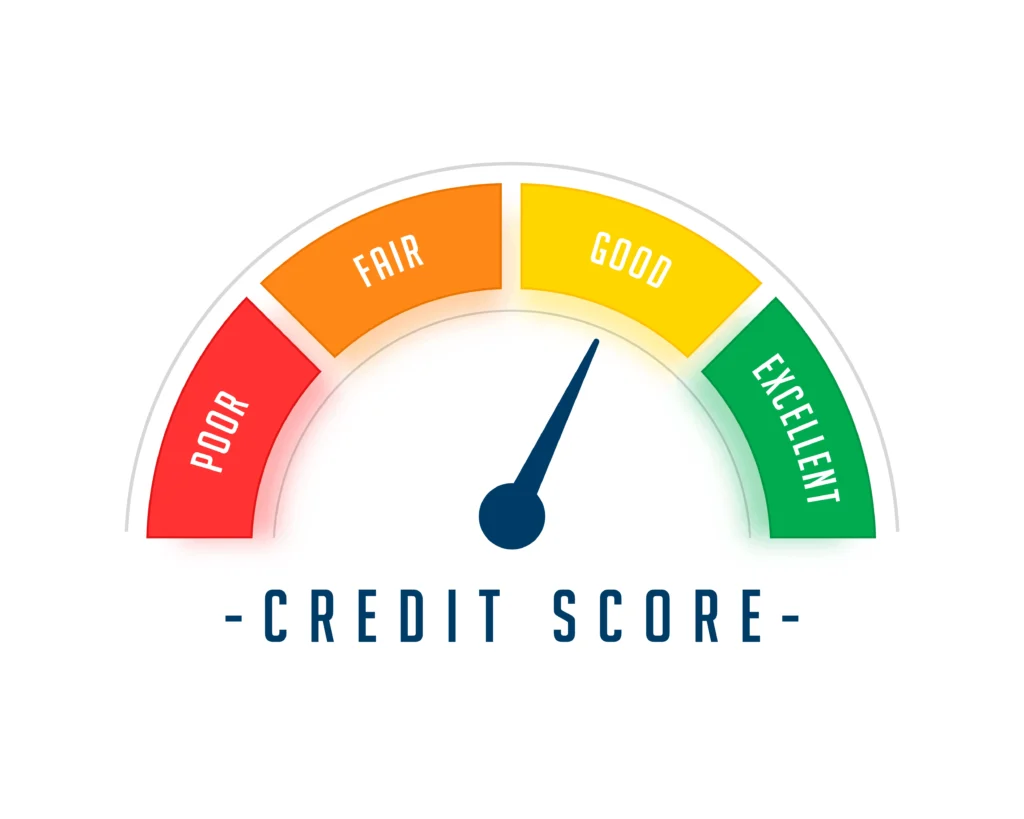
A bankruptcy can appear on a credit report for up to 10 years from the filing under the Fair Credit Reporting Act, 15 U.S.C. § 1681c, while most other negative items, including a completed foreclosure, fall off after seven. That doesn’t make one better than the other in every case, and the full picture of what a completed foreclosure does goes well beyond the credit score.
Other Ways to Pause a California Trustee Sale
Bankruptcy is not the only tool that can stop or delay a California foreclosure sale, and a HUD-approved housing counselor can walk through the others with you at little or no cost.
Reinstatement under Civil Code § 2924c is one. A loan modification permanently changes the loan terms, while a forbearance is a temporary pause or reduction in payments that the servicer agrees to. A short sale lets the house sell for less than what’s owed, with the lender’s approval. And since January 1, 2025, Civil Code § 2924f requires a one-time postponement of at least 45 days when the owner of a one-to-four-unit home submits a signed listing agreement with a licensed broker, or a qualifying purchase agreement, at least five business days before the sale.
Plenty of these conversations end with the family staying put. Two families who contacted Mrs. Property Solutions kept their homes without the company ever buying them, one in Compton through a loan modification in 2021 and one in Van Nuys through a forbearance in 2023.
Selling only makes sense when keeping the house doesn’t. If a Chapter 13 plan payment fits your income and you want to stay, that is usually the stronger path, and a cash sale would be the wrong call. When the combined payment won’t work and there’s equity in the house, selling before the auction puts you in charge of the price and the timing instead of the trustee. If you’re already weighing bankruptcy, read up on selling before or after filing before you sign anything.
If Selling Ends Up Making More Sense

Even though we buy houses, we would rather see you keep yours when a Chapter 13 plan or a modification can work, and we’ll tell you that on the phone. When it can’t, Mrs. Property Solutions buys houses for cash across Los Angeles County and Southern California, as-is, and has since 2016.
We’ve purchased 150+ homes and earned 50+ five-star reviews. You don’t make repairs or pay agent commissions, and the offer we make is the offer we honor all the way to closing. When a sale date is close, we can close in as fast as 14 days.
You can read how we work with homeowners facing foreclosure, or call us at (626) 344-9579. There’s no obligation to accept anything we offer.
Frequently Asked Questions
Can I file bankruptcy the day before my foreclosure sale in California?
Yes. A bankruptcy petition filed any time before the trustee sale is completed stops the sale, because the automatic stay under 11 U.S.C. § 362 takes effect at filing. You still need credit counseling from an approved agency within the 180 days before filing, and the remaining paperwork is due within 14 days.
Can bankruptcy stop a foreclosure after the sale has happened?
Generally no. California Civil Code § 2924h treats a trustee sale as final when the last and highest bid is accepted, and the Chapter 13 right to cure a home loan default ends once the house is sold at a properly conducted foreclosure sale. Homeowners who believe the sale was improper should talk to an attorney promptly.
Will I lose my house if I file Chapter 7 in California?
Not automatically, but Chapter 7 does not catch up missed mortgage payments, so the lender can usually resume foreclosure once the stay ends. A Chapter 7 trustee can also sell a house whose equity exceeds California’s homestead exemption under Code of Civil Procedure § 704.730. Homeowners who want to keep the house usually look at Chapter 13.
What happens if I miss a payment during Chapter 13?
Missing payments during Chapter 13 puts the house at risk again. The lender can ask the court for relief from the automatic stay under 11 U.S.C. § 362(d), and the Chapter 13 trustee can ask the court to dismiss the case. Once a case is dismissed, the stay ends and the lender can schedule a new trustee sale.
How long does a bankruptcy stay on a credit report?
Up to 10 years from the date of filing. The federal Fair Credit Reporting Act, 15 U.S.C. § 1681c, allows credit bureaus to report a bankruptcy case for 10 years, while most other negative items, including a foreclosure, drop off after seven years. A bankruptcy attorney can explain how each option affects a specific credit file.
Do I need a lawyer to file bankruptcy to stop a foreclosure?
No law requires one, but a bankruptcy attorney is strongly advised when a California home is on the line. A missed form can get the case dismissed, and a dismissed case limits the automatic stay on the next filing to 30 days under 11 U.S.C. § 362(c)(3), or removes it entirely after two dismissals.
Is there a way to postpone a trustee sale without filing bankruptcy?
Yes. Since January 1, 2025, California Civil Code § 2924f requires a one-time postponement of at least 45 days when the owner of a one-to-four-unit home submits a listing agreement with a licensed broker, or a qualifying purchase agreement, at least five business days before the sale. Reinstating the loan is another option.
Disclaimer: This article explains how bankruptcy and foreclosure generally work in California. It isn’t legal or financial advice, and every case turns on its own facts. Talk to a California bankruptcy attorney about your specific situation, and to a HUD-approved housing counselor about options with your lender.
Helpful Resources
- Selling without a realtor
- Short Sale Alternatives: How to Get Out From Under Your Mortgage Fast
- The Pros and Cons of Selling Your Home to Avoid Foreclosure