

Selling before a foreclosure auction can protect your credit, preserve whatever equity is left, and let you control the closing date instead of the bank. It is not automatically the right move for everyone. If you’re only one payment behind or you qualify for a loan modification, keeping the house and working with your lender may serve you better.
TLDR
- Selling before a Notice of Trustee’s Sale keeps a foreclosure off your credit report, which can otherwise cost 85 to 160 points or more.
- California’s AB 2424 lets you delay a scheduled auction by submitting a signed listing agreement to the trustee, buying real time to sell.
- Most homeowners behind on payments still have equity left in the house, even after fees.
- An as-is cash sale usually nets less than a full market listing, so it’s worth comparing both if your timeline allows it.
- If you’re only one payment behind or you qualify for a loan modification or forbearance, selling may not be the right move yet.
A Notice of Default in the mailbox does not mean the house is already gone, even though it can feel that way the moment you see it. There is still time to make a decision, and the decision that’s right for one homeowner is not always right for the next.
Selling before the auction date is one option, and it works well for a lot of people. It is also not automatic. Some homeowners are better off keeping the house and working out a plan with their lender instead, and this guide walks through both sides honestly so you can tell which one you’re in.
Falling behind on payments is stressful enough without a stranger’s name on an official notice pushing a deadline onto your calendar.
What a Notice of Default Actually Starts
California’s non-judicial foreclosure process begins once your lender or servicer records a Notice of Default, and from that point you generally have three months to reinstate the loan before a Notice of Trustee’s Sale can be filed against a property in Los Angeles County or anywhere else in the state.
Once the Notice of Trustee’s Sale is recorded, state law requires the auction to be scheduled at least 20 days later, so the earliest a sale can typically happen is a little over three months and three weeks after the original Notice of Default (see California Civil Code §§ 2924 and 2924f).
In practice, most cases run longer than that minimum.
Foreclosure activity has been rising statewide. California ranked third in the nation for foreclosure starts in the first half of 2026, behind only Texas and Florida, according to ATTOM’s mid-year 2026 foreclosure market report. For the full timeline and your options at every stage, our guide on the complete foreclosure process in California walks through it stage by stage.
Selling Before the Auction Puts You in the Driver’s Seat
Once the auction date is set, the trustee and the winning bidder decide what happens to the house next, not you. Selling before that date means you’re the one choosing the buyer, the closing date, and how much time you have to move.
That distinction matters because a trustee’s sale doesn’t come with the kind of moving grace period a normal home sale does. Whoever picks up the property at auction can move to remove anyone still living there fairly quickly.
A sale you control and a sale the bank controls are not the same experience.
Does Selling Protect Your Credit?
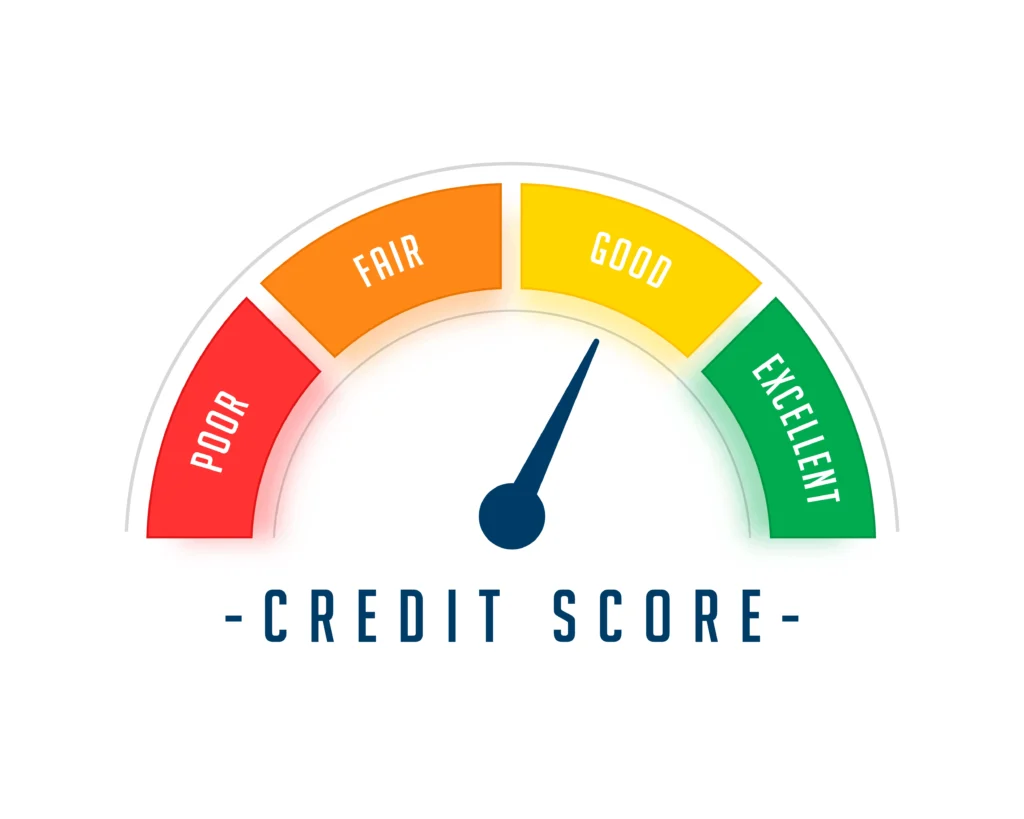
Generally, yes. Selling before the house reaches auction keeps a completed foreclosure off your credit report, and that distinction is bigger than most people realize. According to FICO’s own delinquency research, a completed foreclosure can drop a good credit score by 85 to 105 points, and a very good score by 140 to 160 points or more, as summarized in this Nolo overview of FICO’s foreclosure data.
Some of that damage happens before the foreclosure ever completes. Missed payments alone already dent a credit score, so selling early limits how much worse it gets rather than erasing the harm entirely. A foreclosure that does complete stays on your credit report for seven years, which can affect approval odds for a future rental, loan, or credit card long after the house is gone.
You May Have More Equity Than You Think
Falling behind on payments does not automatically mean there’s no money left in the house.
Nationally, 41.1% of mortgaged homes were equity-rich as of the second quarter of 2026, meaning the loan balance was no more than half the home’s estimated value, according to ATTOM’s Q2 2026 home equity report.
Years of payments applied to the principal, plus any appreciation since you bought the home, can add up to real proceeds at closing, even after a lender’s fees and a missed-payment balance are subtracted.
Selling before auction is often the only way to reach that equity instead of losing it entirely.
What Waiting Costs You
Every month the foreclosure process keeps running, additional charges tend to stack on top of what you already owe, including late fees, trustee fees, and often attorney fees tied to the filing itself.
Exactly how much depends on your loan servicer, your county, and how long the process runs before it resolves one way or the other. Those charges typically have to be paid before a loan can be reinstated, or cleared through escrow before a sale can close.
What You Give Up by Selling

Selling the house, even to avoid foreclosure, means giving up ownership entirely, and if the home has been in the family a long time or kids are involved, that loss can feel a lot bigger than the math on paper.
Sometimes holding onto a house under this kind of financial pressure creates more strain than letting it go. Sometimes it doesn’t. That’s a judgment call every family has to make for itself, and no article can make it for you.
Moving Costs Add Up, Too
A move adds its own cost on top of everything else, and it’s worth planning for honestly instead of assuming it will sort itself out. If a cash sale is part of the plan, ask upfront whether relocation help is included in the offer. Some buyers include it, some don’t, and it should never be assumed either way.
Selling As-Is Usually Means a Lower Price Than Listing
A cash, as-is sale to an investor almost always nets less than a traditional listing at fair market value, because you’re trading a higher sale price for speed and certainty.
If the home is in good condition and the timeline allows even a few months, a traditional listing with an agent will typically bring in more money than a fast cash sale.
This is exactly where AB 2424 becomes useful. Submitting a signed listing agreement to the trustee at least five business days before the scheduled sale date triggers a mandatory 45-day postponement, and delivering a signed purchase agreement afterward can extend that by another 45 days. That can be enough time to get a full-price offer instead of settling for speed alone.
Working With Your Lender During a Sale
Once foreclosure is underway, staying in contact with the servicer becomes part of the job of selling, not something optional. Whoever is handling your sale generally needs to request a payoff statement, track key dates, and make sure closing happens before the reinstatement window or the auction date.
Some servicers are easy to work with. Others require more persistence. Either way, someone needs to own that communication so nothing falls through a crack at the worst possible time.
When Selling Makes Sense, and When It Doesn’t
Selling before the auction date tends to make the most sense when you’re several payments behind, you’ve already received a Notice of Trustee’s Sale, you don’t qualify for a loan modification or forbearance, and the house needs repairs you can’t afford before listing it.
It tends to make less sense when you’re only one payment behind, you expect your income to recover soon, or you qualify for a program that lets you keep the house. Our post that compares loan modification against selling directly walks through that specific comparison in more depth.
We’ve turned people away from a sale before. A family in East Los Angeles came to Mrs. Property Solutions already deep into a foreclosure timeline. Rather than making an offer, we walked them through a state mortgage-assistance program that was available at the time and helped them apply. They kept the house, and we never purchased the property.
In Compton, a homeowner completed a loan modification and kept their house instead of selling. In Van Nuys, a homeowner secured a mortgage forbearance and did the same. Neither one sold to Mrs. Property Solutions, and that’s the point. If keeping the house is realistic, that’s the better outcome.

If you’ve read this far, you’re probably weighing which side of that decision you’re on.
Mrs. Property Solutions buys houses across Los Angeles County and Southern California directly, as-is, without repairs, cleaning, or a listing process, and we’ve been doing it since 2016. We’ve purchased 150+ homes and earned 50+ five-star reviews, and the offer we make at the start of a deal is the offer we honor at closing, with no last-minute changes.
If a fast, certain sale is the right move for your situation, you can request a no-obligation cash offer through our facing foreclosure page or call or text (626) 344-9579. There’s no cost and no commitment to find out what your house is worth to us.
FAQ
How long do I have before a foreclosure auction happens in California?
After a Notice of Default is recorded, California law generally requires a minimum three-month waiting period before a Notice of Trustee’s Sale can be filed, then a minimum 20-day wait before the auction itself. That’s roughly three months and three weeks at minimum, though most cases run longer in practice.
Can I stop a scheduled foreclosure auction by selling my house?
Yes, in most cases. Under AB 2424, submitting a signed listing agreement to the trustee at least five business days before the sale date triggers a mandatory 45-day postponement, and a signed purchase agreement can extend that further.
Will selling before foreclosure hurt my credit less than letting the house go to auction?
Generally, yes. A completed foreclosure can drop a good credit score by 85 to 160 points or more, according to FICO’s own research, and it stays on your credit report for seven years. Earlier missed payments already affect your score regardless of which path you choose.
Do I still have equity if I’m behind on my mortgage payments?
Often, yes. Years of payments applied to principal, plus any appreciation since you bought the home, can leave real equity even after missed-payment fees are subtracted. Over 4 in 10 mortgaged U.S. homes were equity-rich as of mid-2026, according to ATTOM.
What happens to my mortgage if I sell before the foreclosure completes?
The outstanding loan balance, along with any fees added during the default period, is paid off directly from the sale proceeds at closing. Whatever equity remains after that goes to you.
Do I have to talk to my lender if I decide to sell?
Yes, someone does. Whoever handles your sale needs to request a payoff statement from your servicer and track key dates so closing happens before the reinstatement window or the scheduled auction.
Is a cash offer to avoid foreclosure a lowball?
Not by design. A cash offer accounts for the home’s condition, the speed of the sale, and the commissions and holding costs you avoid, and a buyer should walk you through that math in plain numbers rather than just handing you a bottom line.
Do I pay any fees or commissions if I sell for cash?
With Mrs. Property Solutions specifically, no commissions and no closing costs come out of your proceeds. Every cash buyer is different, so ask directly what, if anything, comes out of your check before signing anything.
Disclaimer: This article explains how selling before a foreclosure auction generally works in California. It isn’t legal or financial advice, and rules vary by lender, county, and your specific loan documents. Talk to a HUD-approved housing counselor or a real estate attorney about your situation before making a decision. You can find a free HUD-approved housing counselor through the CFPB.
Helpful Resources
- Selling without a realtor
- Should You Sell Your House Before or After Filing for Bankruptcy?
- Can You Sell Your Home During a Loan Modification?
- What Happens If You Let Your House Go Into Foreclosure in California?
- Does Filing Bankruptcy Stop Foreclosure in California?
- Pros and Cons of a Short Sale vs Foreclosure in California