

Yes. California homeowners can sell their house at any point during a loan modification review, and even after a modification is approved, as long as the sale pays off the mortgage balance at closing. Your lender wants its money back. It does not require you to stay and finish the modification to get it.
TLDR
- You can sell your house in California at any point during a loan modification review, and even after approval, as long as the sale pays off what you owe on the mortgage.
- California Civil Code sections 2923.6 and 2924.11 block your servicer from foreclosing while a complete modification application is pending, a rule known as the dual tracking ban.
- Accepting a purchase offer closes out your modification request automatically, and your servicer needs a payoff statement instead of a modified loan going forward.
- A completed sale causes far less credit damage than a completed foreclosure, because late payments stay on the report either way but the foreclosure itself never happens.
- AB 2424 lets a signed listing agreement push a scheduled trustee sale back 45 days, and a signed purchase agreement can push it back another 45 days on top of that.
You applied for a loan modification because you wanted to keep the house, and somewhere along the way somebody told you that selling isn’t allowed while the bank is reviewing your paperwork. That’s not true, and it’s worth clearing up before anything else here. A loan modification and a home sale run on two separate tracks, and choosing one doesn’t lock the door on the other.
Most homeowners in this spot haven’t told their family yet.
That’s a heavier weight than the actual paperwork.
The bank’s underwriting queue moves on its own schedule, and it won’t commit to a firm answer date no matter how many times you call. A sale moves on your schedule instead, once you have a buyer and a closing date. This guide walks through what happens to your modification application if you sell, how the mortgage gets paid off, and how much time California law gives you before a scheduled auction can take the house.
Yes, You Can Sell While a Loan Modification Is Pending
Yes. Nothing in California law or in a standard mortgage requires you to finish a loan modification review before you sell, and nothing requires your servicer’s permission either. That holds whether you’re in Los Angeles County or anywhere else in the state. Selling and modifying are two separate paths to the same goal.
The lender’s only real interest is getting paid.
Whether that happens through years of reduced payments or through a single payoff at closing doesn’t change what the loan document requires. A sale that produces enough to cover the balance, plus any fees and past-due amounts, satisfies the lender’s claim on the property just as fully as a completed modification would.
Some servicers will ask, once they learn a sale is in progress, whether you still want to continue pursuing the modification. That’s a courtesy question, not a gatekeeping one. They can’t require you to abandon the sale to keep the modification alive, and they can’t require you to abandon the modification to proceed with the sale.
California Law Prevents the Bank From Foreclosing and Modifying You at the Same Time
California’s Homeowner Bill of Rights bans a practice called dual tracking, where a servicer keeps moving toward foreclosure while it’s supposed to be reviewing your loan modification application. Under Civil Code sections 2923.6 and 2924.11, once you submit a complete first-lien loan modification application, your servicer cannot record a notice of default, record a notice of trustee sale, or hold a trustee sale until it makes a written decision on your application, and, if it denies you, gives you a chance to appeal.
The same protection covers you if you’re already complying with an approved modification, forbearance, or another foreclosure-prevention plan. The California Attorney General’s Office publishes a plain-language summary of these rights if you want the details in writing.
This is the rule that determines your timeline. If you submitted a complete application and the bank is still weighing it, the bank legally cannot also be counting down to your auction date at the same time. Where sellers run into trouble is submitting an incomplete application and assuming the protection kicked in anyway. It didn’t, and a servicer’s request for one more document isn’t stalling. It’s the difference between having this protection and not having it.
Accepting an Offer Closes Out Your Modification Application

Once you sign a purchase agreement and notify your servicer, your loan modification request typically gets closed out, and that’s a normal part of the process rather than something to worry about. The servicer no longer needs to evaluate a reduced payment plan for a loan that’s about to be paid off in full.
It simply means the mortgage is getting paid off through escrow instead of through years of modified payments.
Closing the modification file doesn’t appear on your credit report as a negative mark, and it doesn’t restart any clock on your account or make the sale harder to complete. If you’d already been approved for a modification and made a payment or two under the new terms, that’s still fine. You simply pay off the modified loan balance at closing instead of continuing the modified payments going forward.
You Can Still Sell After a Modification Is Already Approved
Yes, even after your lender approves a modification and sends you final paperwork, you’re still allowed to sell instead of signing it, or to sell after you’ve already started making the new payments.
Nothing about accepting a modification offer creates an obligation to keep the house. If your situation changes, a job loss, a move out of state, or a decision that the modified payment still isn’t sustainable, selling remains available at any point before or after that approval.
The one detail worth knowing: if you’ve already signed and started an active modification, your lender will expect the payoff to include everything owed under the new terms, not the old ones. Escrow will confirm the correct figure directly with your servicer before closing.
Selling Does Less Damage to Your Credit Than a Completed Foreclosure
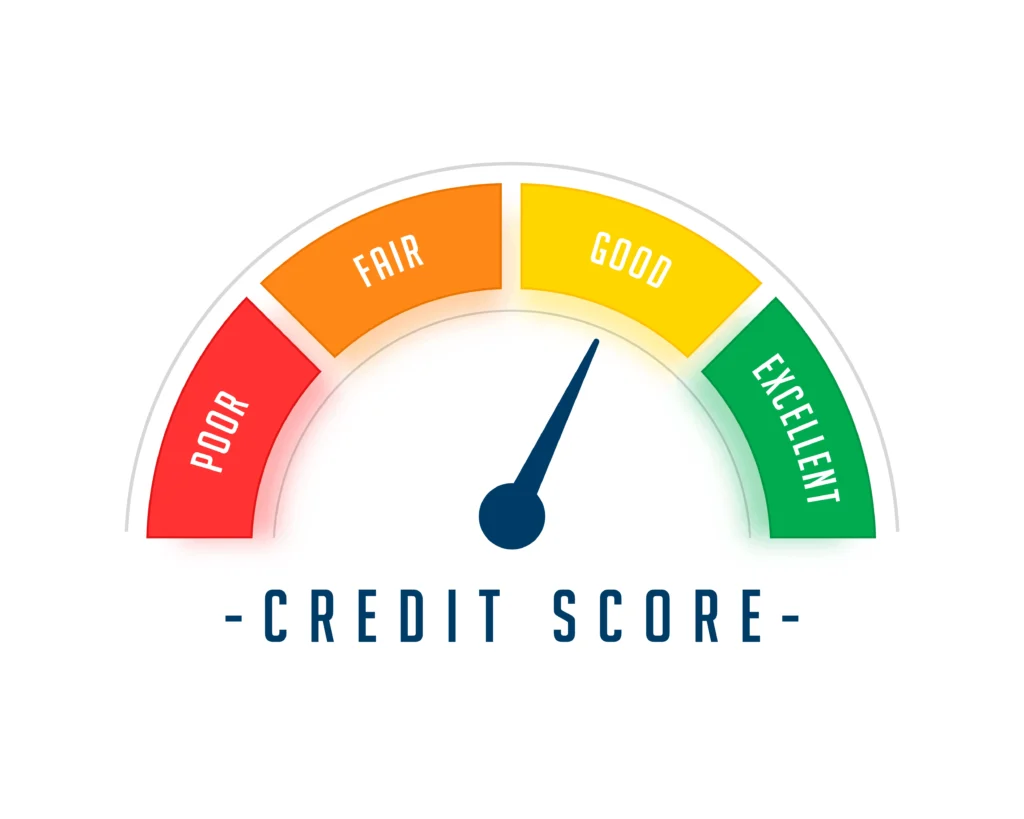
Late payments already on your credit report stay there regardless of which path you take next.
What differs is what happens after. A full foreclosure is the most damaging entry a mortgage account can produce, and it takes years longer to recover from than a late-payment history alone. A sale, even one that closes while you’re behind on payments, resolves the account and stops any new negative marks from stacking up.
A completed loan modification generally reports as a modified loan or a settled account, which is a milder mark than a foreclosure but still visible. Selling before either the modification decision or a foreclosure sale finishes tends to limit the damage the most, because the account closes out entirely rather than carrying a new label forward.
How the Mortgage Payoff Works When You Sell
Escrow requests an official payoff statement from your lender once you’re under contract, and by federal law your servicer has to provide it within seven business days of a written request.
That statement is different from the balance shown on your monthly bill. If you’re behind on payments, the payoff figure typically includes the missed payments themselves, late fees, any costs the servicer advanced on your behalf, and interest that accrues daily until the day of closing. None of that is a surprise fee added by the buyer or the title company.
It’s simply what the loan document already allows the lender to collect. At closing, the title company pays your servicer directly out of the sale proceeds, and whatever remains after the mortgage, any liens, and closing costs are covered is the amount you walk away with.
If You’re Underwater, You Still Have Options
Owing more than the house is worth doesn’t automatically rule out selling.
It just changes which path makes sense.
A short sale, where the lender agrees to accept less than the full balance owed, is the most common route for a homeowner who’s underwater and needs to sell. The Consumer Financial Protection Bureau explains how a short sale works, including why getting any deficiency waived in writing matters before you sign anything. If a short sale doesn’t fit your situation, there are other ways to get out from under an underwater mortgage worth looking at.
If you’re only slightly underwater and have time before any scheduled sale date, a completed loan modification might close enough of the gap that selling later, once you have equity again, becomes the better move. There’s no wrong answer here. It depends on how much time you have left, which is the next question.
How Much Time You Have Before a Trustee Sale

The clock starts when your lender records a Notice of Default, which gives you at least 90 days to reinstate the loan before a trustee sale can even be scheduled. After that 90-day reinstatement period, the lender can record a Notice of Trustee Sale, which must be posted at least 21 days before the actual auction date. That’s the absolute minimum. Add the dual tracking protection described earlier, and a pending modification application can pause that countdown entirely for as long as the servicer is actively reviewing it.
AB 2424, in effect since January 1, 2025, adds another layer of protection if you’re actively trying to sell. Submit a valid listing agreement to the trustee at least five business days before a scheduled sale, and the auction must be postponed at least 45 days. Get a fully executed purchase agreement during that window, submit it the same way, and the sale can be postponed another 45 days on top of that, which can give a homeowner who is actively working toward a sale close to 90 extra days beyond the standard timeline. The California Legislature’s official bill text is the primary source if you want to read the exact language.
Not every homeowner who calls ends up selling, and that’s worth saying plainly. In 2021, a family in Compton worked with Mrs. Property Solutions during their loan modification, completed the modification, and kept their home. Mrs. Property Solutions never purchased the property, because a modification was the better outcome for them. A company that buys houses for a living should be able to say that plainly when it’s true.
Everything else involved in stopping a foreclosure in California, from short sales to bankruptcy timing, is covered in one place if you want the fuller picture. Whether a loan modification or a sale is the smarter move for your specific numbers is a bigger question than this guide answers alone. A traditional sale on a typical Los Angeles County home near $888,345 carries roughly $44,400 to $53,300 in agent commissions alone, and weighing a modification against selling side by side walks through that decision directly.
Ready to See What a Sale Could Look Like?
If you’ve made it this far, you’re probably somewhere between reviewing modification paperwork and watching a foreclosure timeline you don’t fully trust yet. Mrs. Property Solutions buys houses across Los Angeles County and Southern California as-is, without requiring repairs, a cleanout, or a traditional listing.
The company has purchased 150+ homes since 2016, earned 50+ five-star reviews from sellers in situations like this one, and works locally rather than out of a call center in another state. The offer we make is the offer we honor, with no changes after you’ve said yes. If selling looks like the faster or simpler path once you weigh it against your modification timeline, get a no-obligation cash offer and see the number before you decide anything. There’s no obligation to move forward.
Frequently Asked Questions
Can my lender deny me the right to sell while my loan modification is pending?
No. Once you have a signed purchase agreement, your lender’s only requirement is that the sale produces enough to pay off the mortgage balance at closing. Your servicer cannot legally prevent the sale or force you to complete the modification first under California’s dual tracking protections.
Will canceling my loan modification application to sell affect my credit score?
No. Closing out a modification request because you’re selling isn’t reported to credit bureaus as a negative event. What affects your score is any existing late-payment history, which stays on your report regardless of which path you choose next.
How long does it take to close a sale during a loan modification?
A traditional financed sale typically takes 30 to 45 days once you’re in escrow. A cash sale can close faster, often in 7 to 14 days, because there’s no lender underwriting a buyer’s loan and no appraisal contingency to wait on.
What happens if the foreclosure auction date arrives before my sale closes?
If you submitted a valid listing agreement to the trustee at least five business days before the sale date, AB 2424 requires a 45-day postponement, and a signed purchase agreement can add another 45 days on top of that once it’s submitted the same way.
Do I need my lender’s permission to accept a buyer’s offer?
No. You own the property and can accept a buyer’s offer without your lender’s approval. Your lender only becomes directly involved once escrow requests the official payoff statement needed to clear the mortgage lien at closing, which it must provide within seven business days.
Is selling to a cash buyer during a loan modification a lowball offer?
Not inherently. A cash offer accounts for the repairs, holding costs, and commission a traditional sale would require, along with the speed and certainty of a set closing date. It’s worth comparing that number against your modified payment and the cost of continuing to carry the house.
What if my servicer says my modification application is still under review when I go into escrow?
That’s normal and expected. Notify your servicer once you’re under contract, and it will typically close the modification file since the loan is being paid off through the sale. You don’t need a final modification decision before you’re allowed to close.
Disclaimer: This article explains how selling during a loan modification generally works in California. It isn’t legal or tax advice, and rules vary by lender and by situation. Talk to a HUD-approved housing counselor or a foreclosure attorney about your specific case.
Helpful Resources
- Selling without a realtor
- The Pros and Cons of Selling Your Home to Avoid Foreclosure
- What Happens If You Let Your House Go Into Foreclosure in California?
- Does Filing Bankruptcy Stop Foreclosure in California?
- Pros and Cons of a Short Sale vs Foreclosure in California