
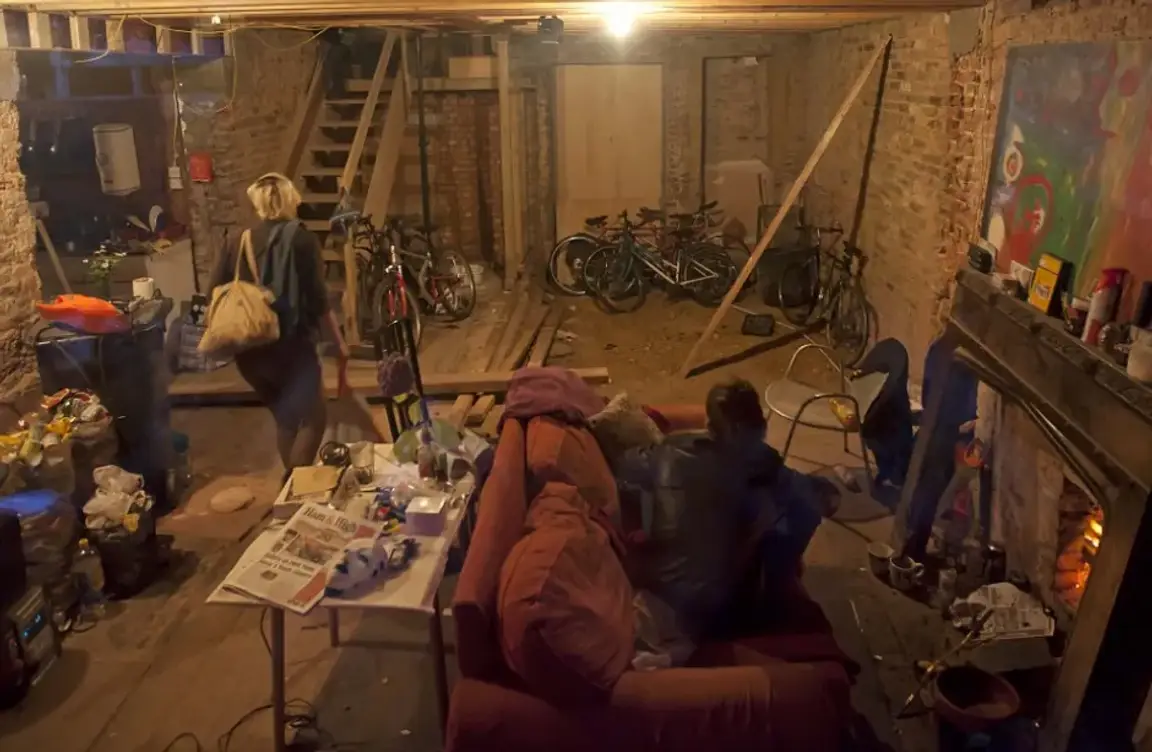
There is no shortcut around the court system. You call the police first to check whether it is a simple trespass, then serve a written notice, then file an unlawful detainer lawsuit if the squatter does not leave. A sheriff, not the property owner, carries out the final removal after a judge signs off. Expect the full process to run 30 to 60 days or longer, and longer still since a 2025 law gave squatters more time to respond in court.
TLDR
- Squatters who have been on the property under 30 days with no evidence of tenancy can sometimes be removed by police as trespassers under Penal Code 602. A filed “602 letter” speeds this up and now stays valid for 12 months instead of 30 days.
- Once a squatter has stayed longer or shows any sign of tenancy, only a court-ordered unlawful detainer eviction can remove them. Self-help tactics like changing locks are illegal in California.
- Starting January 1, 2025, Assembly Bill 2347 doubled how long a squatter has to respond to an unlawful detainer lawsuit, from 5 court days to 10, which lengthens most timelines.
- A sheriff’s writ of possession is the only document that authorizes physical removal. The sheriff posts a notice giving the squatter a few more days before returning to enforce it.
- Selling a property that keeps drawing squatters is one option once removal is complete, not a way to skip the legal process.
Finding a stranger living in a house that’s yours, sometimes one you just inherited from a parent, sometimes one that’s been sitting empty while you sort out what to do with it, is unsettling in a way that’s hard to explain to anyone who hasn’t been through it. It feels like your own property has turned against you.
And the instinct to fix it fast, change the locks, get your keys back, is exactly the instinct California law tells you not to follow.
The process is slower than it should be. It’s also predictable, and knowing the steps ahead of time is the thing that gets most owners through it without a costly mistake.
What Actually Counts as a Squatter Under California Law
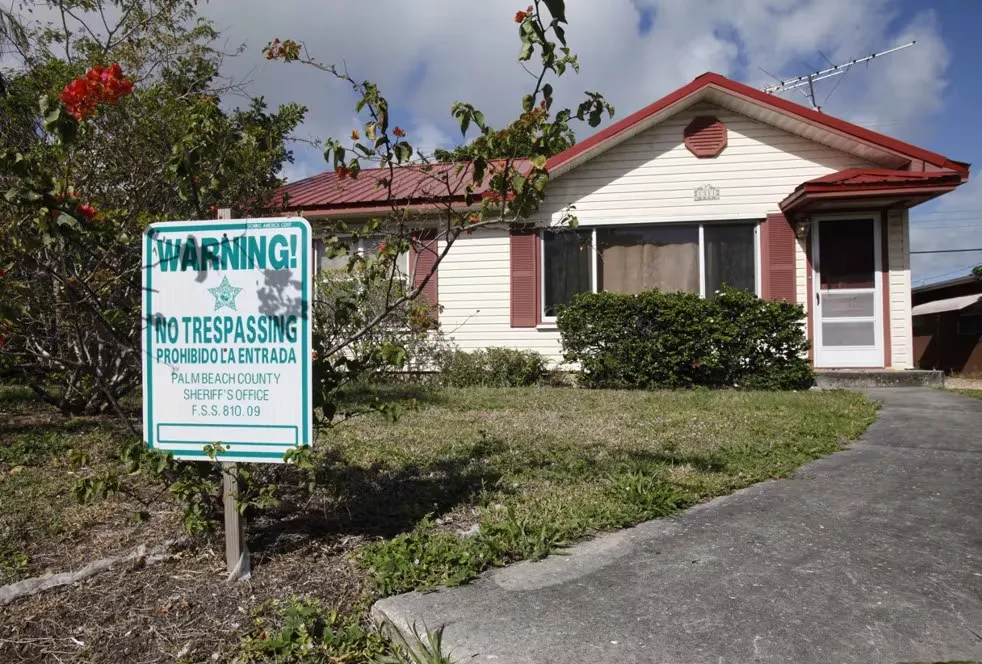
A squatter is someone occupying your property without your permission and without ever having a lease or rental agreement with you.
hat puts them in a different legal category than a tenant whose lease expired or who stopped paying rent, and it’s a distinction worth understanding fully before you act. For that comparison, see our guide on the difference between squatters and problem tenants in Los Angeles.
What matters for this article is how long the person has been there and what evidence they can point to. Mail addressed to them at the property, a utility account in their name, or a witness who saw them move in weeks ago all start to look like the beginnings of a tenancy in the eyes of a judge, even without a signed lease.
Step 1: Call the Police and Find Out What You’re Dealing With
Call local law enforcement as soon as you discover an unauthorized occupant, before anything else. If the person just broke in or shows no sign of having lived there, this may qualify as ordinary trespassing under California Penal Code 602, and officers can sometimes remove them the same day.
Filing a written trespass authorization, often called a 602 letter, with your local police department ahead of time makes this faster. Since Senate Bill 602 took effect in January 2024, that letter stays active for up to 12 months instead of needing to be refiled every 30 days, so it’s worth filing the moment you know a property will sit vacant.
The moment the occupant claims to be a tenant, produces any kind of paperwork, or has clearly been there for a while, most officers will step back and call it a civil matter. That’s not a failure on your part. It’s how the law is written, and it means the next step is the court, not the police.
Example: A homeowner in Inglewood found strangers living in her vacant rental after her last tenant moved out. When police arrived, the occupants produced a lease that turned out to be fake. Officers couldn’t act on the spot, and she had to file an unlawful detainer case to get her property back.
Step 2: Serve a 3-Day Notice to Quit
If the police can’t remove the squatter, the next step is a written eviction notice, and for a squatter with no lease, that’s almost always a 3-day notice to quit. It tells the occupant they have three days to leave voluntarily before you take the case to court.
Have the notice delivered by someone other than yourself, ideally a professional process server, and keep proof of exactly how and when it was served. California courts will ask for this documentation before letting an unlawful detainer case move forward, and a sloppy or undocumented notice is one of the most common reasons these cases get delayed. Sample notice forms are available through the California Courts’ Landlord/Tenant Self-Help Center.
Step 3: File an Unlawful Detainer Lawsuit if They Don’t Leave
An unlawful detainer lawsuit, filed with the Superior Court in the county where the property sits, is the formal legal action that gets a squatter removed when they won’t leave after notice. This is the only path California law allows. Locking someone out, shutting off utilities, or removing their belongings yourself is illegal under state law and can expose you to real financial penalties, even against someone with no legitimate claim to the property.
Once you file, the court serves the squatter with a summons, and here’s where the timeline changed. Assembly Bill 2347, effective January 1, 2025, doubled the time a defendant has to respond, from 5 court days to 10. That single change has stretched out most unlawful detainer cases across the state, squatter cases included, and it’s the biggest reason a process that used to run 30 to 45 days now more commonly stretches toward 60.
If the squatter doesn’t respond within that window, you can ask the court for a default judgment without a trial. If they do respond, the case moves toward a hearing, and either side can request one.
Example: A property owner in San Bernardino filed an unlawful detainer after squatters ignored her 3-day notice. The occupants didn’t respond within the deadline, so she was able to get a default judgment and a writ of possession without a full trial.
Step 4: Get the Writ of Possession and Let the Sheriff Handle Removal
A writ of possession is the court document that authorizes the county sheriff, not you, to physically remove the squatter from your property. Once a judge rules in your favor, request this writ from the court clerk and deliver it to the sheriff’s department for the county where the property is located.
The sheriff typically posts a notice to vacate giving the occupant a few more days to leave on their own. If they’re still there after that, deputies return to carry out the removal and restore possession to you. You do not do this part yourself, and trying to speed it up by acting before the sheriff arrives can undo everything the case accomplished.
What to Do Once the Property Is Empty
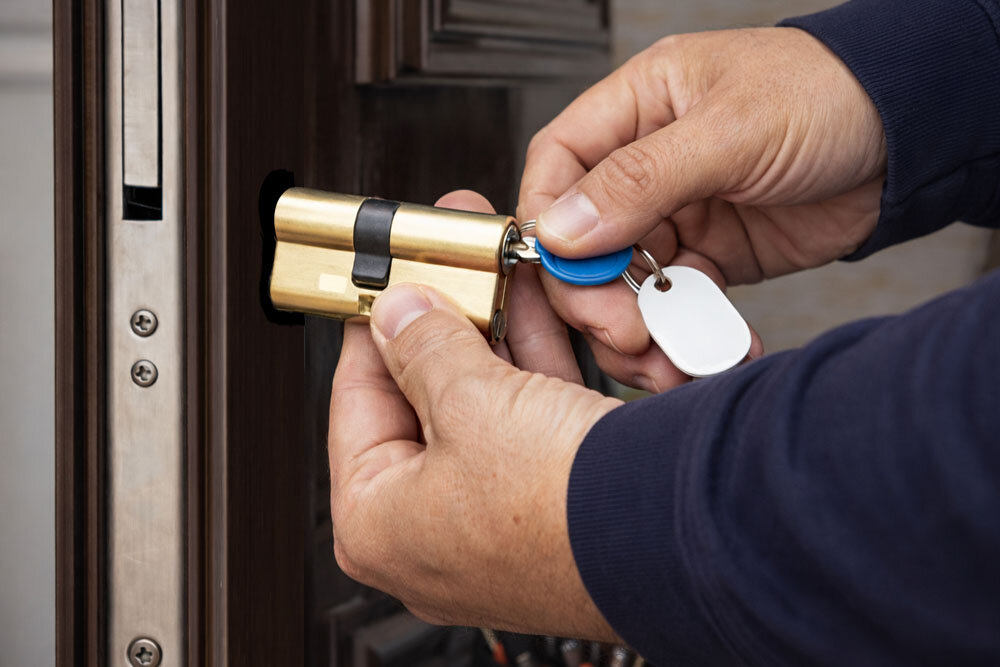
Change the locks and secure every entry point the same day the sheriff clears the property. California law requires you to handle any belongings the former occupant left behind through a specific notice-and-storage process rather than simply discarding them, so don’t skip that step even though the instinct is to clean house immediately.
Walk the property for damage, pest issues, or health hazards before deciding what repairs are needed. Squatted properties often need more than a routine cleaning, and it’s worth budgeting for that before you decide what to do with the house next.
Example: A landlord in Palmdale regained her property after a 45-day eviction process. The former occupants left behind trash, damaged flooring, and broken fixtures, and cleanup ran close to $4,000 before she could even list the house.
How Long Does a Squatter Eviction Actually Take in California?
| Step | Typical Timeframe |
| Serve 3-day notice to quit | 3 to 5 days |
| File unlawful detainer, wait for response | 10 court days minimum (up from 5, since January 2025) |
| Default judgment or court hearing | 2 to 4 weeks |
| Sheriff writ and lockout | 1 to 2 weeks |
Most owners should plan for the full process to run 30 to 60 days from the first notice to a sheriff clearing the property, and longer in counties with backed-up court calendars. In Los Angeles County specifically, the Superior Court’s high case volume means trial and hearing dates can stretch toward the far end of that range or beyond, especially during peak filing periods.
That’s a meaningfully longer window than it was before January 2025, and it’s worth building into any decision about what to do with a property that keeps attracting squatters.
Your Options if This Keeps Happening
If a property has been squatted more than once, or the eviction process itself is more than you want to manage from a distance, selling as-is to a cash buyer is one way to stop the cycle without waiting through another round of notices and court dates. If the house is in good condition and you have time on your side, working with a local property manager to secure and monitor it may solve the problem without selling at all. For the fuller comparison between selling with tenants or squatters in place and other paths, see our guide on selling a rental property with problem tenants in Los Angeles.
If you’ve made it this far, you’re probably somewhere in the middle of dealing with an unwanted occupant, or trying to decide whether a property worth this much trouble is still worth keeping.
Mrs. Property Solutions buys houses in California as-is, including properties that have been squatted or are mid-eviction, without asking you to finish the legal process first in every case. Since 2016, the company has purchased 150+ homes across Southern California and earned 50+ five-star reviews from sellers navigating exactly this kind of situation. No repairs, no cleanup, and the offer made is the offer honored at closing.
If a squatter situation has you rethinking whether to keep this property at all, reach out and talk through your options. There’s no obligation to move forward.
Frequently Asked Questions
Can I just change the locks if a squatter won’t leave?
No. California law prohibits self-help evictions, including changing locks, removing belongings, or shutting off utilities to force someone out. Doing this can expose a property owner to financial penalties even when the squatter has no legitimate claim to the property. Removal must go through the police, for trespassing, or the court, for everyone else.
How long has someone had to be in my property before they’re treated as a tenant instead of a trespasser?
Around 30 days is the general marker California courts and law enforcement use, though there’s no single bright-line rule. Evidence like mail, utility accounts in their name, or witness accounts of how long they’ve stayed all factor into whether police treat someone as a criminal trespasser or refer the case to civil court.
Do I need a lawyer to file an unlawful detainer against a squatter?
It isn’t required, but unlawful detainer cases have strict procedural rules, and a mistake in notice or service can delay a case by weeks. Many owners handle straightforward cases themselves using California Courts’ self-help resources, while more contested cases benefit from a landlord-tenant attorney’s help.
What is a 602 letter and do I need one?
A 602 letter is a written authorization filed with local police that lets them remove trespassers from your property even when you’re not there. Since January 2024, it stays valid for up to 12 months instead of 30 days. It’s most useful for vacant or out-of-state-owned properties that can’t be checked on regularly.
Can a squatter claim ownership of my house?
Only through adverse possession, which in California requires open, continuous occupation for five straight years plus paying the property taxes during that time. It’s rare and difficult to prove. A squatter who has been there for weeks or months has no ownership claim, but that doesn’t mean police or courts will remove them instantly.
Why is the eviction process taking longer than the timelines I’ve seen online?
Many guides still cite a 5-day response window for unlawful detainer defendants. Assembly Bill 2347, effective January 1, 2025, doubled that to 10 court days, which extends most case timelines by roughly a week compared to pre-2025 estimates, on top of any court backlog in your county.
Do I have to finish the eviction before I can sell the property?
Not always. Some cash buyers, including Mrs. Property Solutions, will purchase a property with an active squatter situation and take that into account in the offer, though the specifics depend on where the case stands. A traditional buyer using a mortgage almost always requires the property to be vacant first.
Helpful Resources
Disclaimer: This article explains how squatter eviction generally works in California. It isn’t legal advice, and rules and timelines vary by county and by the specific facts of a case. Talk to a landlord-tenant attorney before filing or responding to any eviction action.