

Probate in California usually costs around 5% of the estate’s gross value once the attorney and executor are paid. State law sets both fees at 4% of the first $100,000, 3% of the next $100,000, and 2% of the next $800,000. A $750,000 estate pays $18,000 to each, plus court costs that often run well over $1,000.
The Short Version
- California probate attorney fees follow a statutory schedule in Probate Code section 10810: 4%, 3%, 2%, then 1% of estate value up to $10 million.
- The executor is entitled to the same statutory amount under section 10800, and a family member serving as executor can choose to waive it.
- Statutory probate fees are figured on the gross value of the estate, so a mortgage on the house does not lower the fee.
- The first court filing fee is typically $435, and newspaper publication, the probate referee’s 0.1% appraisal commission, and bond costs come on top.
- Carrying costs during the 9 to 18 months probate usually takes, plus repairs and any agent commission on the house, are the costs families most often leave out of their estimate.
For a lot of families, the first real number shows up in an attorney’s office a few weeks after the funeral, and it’s bigger than anyone expected.
The good news, even though it doesn’t feel like good news yet, is that California probate is one of the more predictable costs you’ll run into. The biggest fees are written into the Probate Code as percentages, so once you know roughly what the estate is worth, you can work out most of the bill before you sign a retainer. What the fee schedule doesn’t show is everything around it, and that’s where estates lose the most money.
If you’re here because you just lost someone, we’re so sorry. Take this one piece at a time.
California Sets Probate Attorney Fees by Law
Probate attorney fees in California are not an hourly bill. Probate Code section 10810 sets the attorney’s pay for ordinary services as a percentage of the estate, on a sliding scale that steps down as the estate gets bigger.
| Portion of the estate | Statutory rate | Maximum fee on that portion |
| First $100,000 | 4% | $4,000 |
| Next $100,000 | 3% | $3,000 |
| Next $800,000 | 2% | $16,000 |
| Next $9,000,000 | 1% | $90,000 |
| Next $15,000,000 | 0.5% | $75,000 |
| Above $25,000,000 | Set by the court | A reasonable amount |
The detail that surprises most families is what the percentage is taken from. The statute measures the estate by the appraised value of everything in the inventory, plus any gain over appraisal when property sells, plus income the estate receives, less any loss on a sale, all “without reference to encumbrances or other obligations on estate property.”
In plain English, the mortgage doesn’t count. A house appraised at $800,000 with $500,000 still owed on it produces the same $21,000 attorney fee as a house that’s paid off, even though the family’s equity is only $300,000.
That one rule is why probate can feel so expensive on a house with a big loan against it.
What Statutory Probate Fees Look Like at Real Home Values
Most California estates that go through probate are built around one house, so the fee usually tracks the home’s appraised value. Here is what the statutory schedule in sections 10800 and 10810 produces at common Southern California price points.
| Gross estate value | Attorney fee | Executor fee | Combined | Share of estate |
| $300,000 | $9,000 | $9,000 | $18,000 | 6.0% |
| $500,000 | $13,000 | $13,000 | $26,000 | 5.2% |
| $750,000 | $18,000 | $18,000 | $36,000 | 4.8% |
| $1,000,000 | $23,000 | $23,000 | $46,000 | 4.6% |
| $1,500,000 | $28,000 | $28,000 | $56,000 | 3.7% |
Because the scale steps down, a smaller estate pays a bigger share, and the table doubles as a benchmark for how much probate should cost. These are ordinary statutory fees only, and court costs, the appraisal commission, extraordinary fees, and carrying costs all come on top.
If an attorney quotes more than $18,000 for ordinary services on a $750,000 estate, ask why, because California law doesn’t allow an agreement above the statutory amount.
The Executor Earns the Same Fee, Unless They Waive It
The personal representative, meaning the executor named in a will or the administrator the court appoints when there isn’t one, is entitled to compensation on the identical schedule under Probate Code section 10800. On a $750,000 estate, that’s another $18,000.
When the executor is also an heir, taking the fee can work against them. The IRS treats executor fees as taxable income under IRS Publication 559, while an inheritance generally isn’t income at all. That’s why plenty of family executors waive the fee and take their full share as heirs instead. It’s a decision worth running past a CPA before the final accounting.
An executor who isn’t an heir, like a family friend or a professional fiduciary, will usually take the full amount, and that’s fair for the work involved.
Court, Publication, and Appraisal Costs Add Another $1,000 or More
Beyond the two percentage fees, every formal probate carries administrative costs, and California Courts’ self-help guide puts them at “often well over $1,000.” Here is where that money goes.
- Court filing fee. The first petition typically costs $435 under Government Code section 70650, and objections and later petitions carry their own fees.
- Newspaper publication. The Notice of Petition to Administer Estate has to be published in a local newspaper before the first hearing under Probate Code section 8120, and the paper charges for it. Rates vary by paper and county.
- Probate referee. A state-appointed probate referee appraises most estate assets for a commission of one-tenth of 1% of the value appraised, plus expenses, under Probate Code section 8961. On an $800,000 house, that’s about $800.
- Bond. The court can require the executor to buy a bond, which works like insurance for the heirs. Under Probate Code section 8481, no bond is required when the will waives it or every beneficiary waives it in writing.
The executor usually fronts these out of pocket and gets reimbursed from the estate later, which matters when the only real asset is a house nobody can touch yet.
Selling the House Can Add Extraordinary Fees
The statutory percentage covers ordinary services only. Probate Code section 10811 lets the court award the attorney additional pay for extraordinary services, and California Rules of Court, rule 7.703, lists legal work on the sale of estate property as the first example.
A court-supervised home sale, a will contest, a lawsuit with a tenant or lender, or a long search for missing assets can each add fees. There’s no percentage to check these against. The attorney files a petition showing the hours and the work. Then the judge decides what’s reasonable.
Ask any probate attorney up front how they bill for the home sale, because it’s the extraordinary service almost every estate with a house will need.
Is Flat Fee Probate Allowed in California?
Yes, flat fee probate is allowed in California, because the statutory schedule is a ceiling for ordinary services and not a floor. Probate Code section 10813 makes any agreement to pay the attorney more than the statute allows void, which leaves attorneys free to agree to less, and some firms offer flat fees for simpler estates.
A flat fee can save the estate thousands, but only once you know what’s inside it. Before signing, ask in writing whether court costs are included, whether the home sale is covered or billed as extraordinary, and what happens to the price if an heir objects. The court still has to allow the attorney’s pay, flat fee or not.
Do Probate Fees Change From County to County?
No, the statutory fee schedule works the same way in every California county. An estate probated in Irvine through Orange County Superior Court pays the same percentages as one in Pasadena, and Orange County’s 2026 fee schedule lists the same $435 first filing fee. The court calendar and local publication rates are what change. For those local details, see probate costs in Orange County.
The Costs No Fee Schedule Shows You
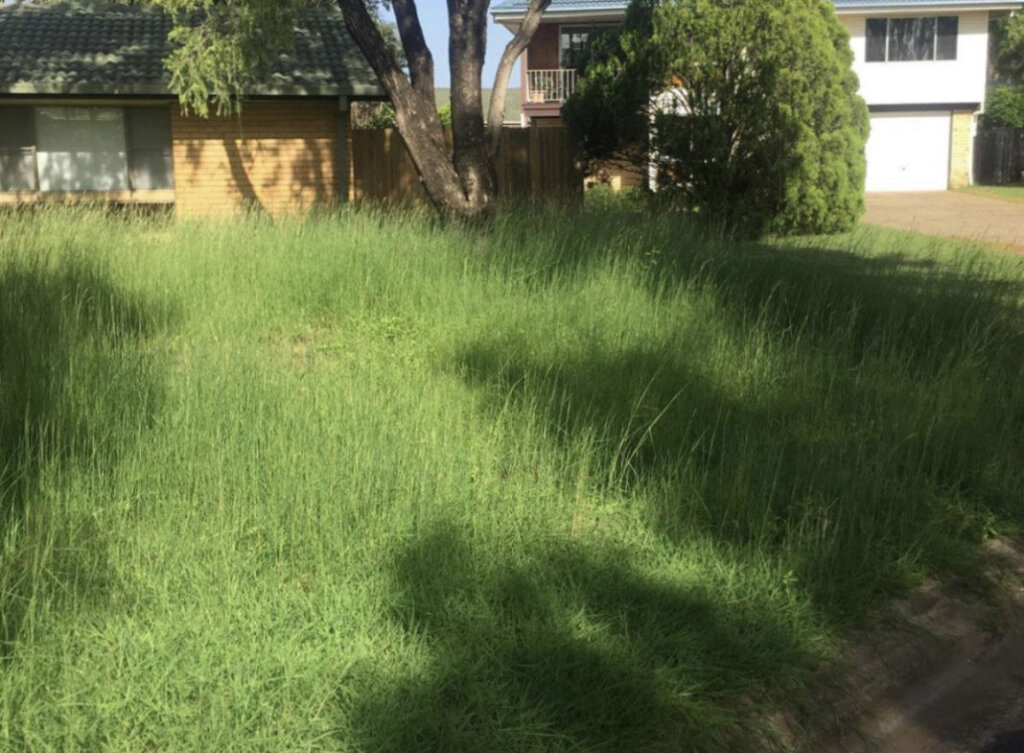
The costs that swing an estate by tens of thousands of dollars are the ones that keep running while the case moves through court, which California Courts says typically takes 9 to 18 months. Here’s more on how long probate takes if the timeline is your bigger worry.
The mortgage doesn’t stop when someone passes. Property taxes, homeowner’s insurance, utilities, gardening, and basic upkeep come out of the estate or out of someone’s pocket every month, and if the house needs repairs before it can be listed, that’s cash the estate may not have. When the house is sold through an agent, a 5% to 6% commission on an $800,000 sale is another $40,000 to $48,000.
Those costs are also where families have the most control. In 2024, Mrs. Property Solutions bought a Burbank house from two sisters whose father had passed without a trust. Both lived out of state, the house had serious foundation problems, and it was still full of decades of his belongings. Their probate attorney referred them and coordinated the sale, and it closed as-is in 21 days, so the estate never paid for foundation work, a cleanout crew, a listing commission, or plane tickets back to California. The statutory fees were the same as they would have been either way.
Everything around them was smaller.
Who Pays Probate Costs, and When?
The estate pays probate costs, not the heirs personally. Attorney and executor fees come out of estate funds near the end of the case, after the court approves them, although Probate Code section 10830 allows a partial fee once four months have passed since letters were issued. The early costs work differently.
According to California Courts, the person opening probate often pays the filing fee, publication, and any bond premium personally and gets reimbursed later. If the estate is mostly a house, that reimbursement usually waits until the house sells.
How to Lower the Cost of Probate

Some probate costs are fixed by statute, but several of the biggest ones are choices.
- Check whether you need full probate at all. For deaths on or after April 1, 2025, California raised its small estate limits. An estate with $208,850 or less in California property can often skip probate with an affidavit, and a primary residence worth up to $750,000 can pass through a simpler court petition. The Judicial Council’s form DE-300 lists the current amounts.
- Waive the executor’s fee when the executor is a family member who inherits anyway.
- Get the bond waived in writing by every beneficiary if the will doesn’t already waive it.
- Compare attorney quotes. The statute sets the maximum, not the price, so a reduced or flat fee is allowed.
- Keep the family on the same page. Disputes create extraordinary fees faster than anything else, and there’s a guide for when heirs don’t agree on selling.
- Decide early what happens to the house. Every month it sits, carrying costs add up.
For anyone planning ahead for their own family, avoiding probate with a trust or a transfer-on-death deed is the biggest savings of all.
Selling isn’t always the right move, and selling fast isn’t always the cheapest. Plenty of families keep the house. If the house is in good shape and the estate can carry it for a few months, listing with an agent will usually net the heirs more, even after commission. A cash sale tends to make sense when the house needs major work, the heirs live far away, or holding costs are eating into the estate, and our guide to selling in probate walks through each path, including keeping the house.
If You’re Deciding What to Do With the House
If you’ve made it this far, you probably have a rough number in your head now, and a house that’s still sitting there while the case moves.
Mrs. Property Solutions buys probate and inherited houses across Los Angeles County and Southern California for cash, as-is, and works directly with the estate’s probate attorney, including through court confirmation when a sale needs it. We’ve been doing this since 2016, we’ve bought 150+ homes, and we have 50+ five-star reviews from sellers in situations a lot like yours. There are no repairs, commissions, or cleanout on your end, and the offer we make is the offer we honor at closing.
You can read how a probate sale works with us or call (626) 344-9579 to talk it through. There’s no obligation, and if listing with an agent makes more sense for your family, we’ll tell you that too.
Frequently Asked Questions About Probate Costs in California
How expensive is probate in California?
Probate in California typically costs between 4.6% and 6% of the estate’s gross value in combined attorney and executor fees for estates from $300,000 to $1 million, under Probate Code sections 10800 and 10810. A $500,000 estate pays $26,000 in those two fees. Filing, publication, and appraisal costs add more, often well over $1,000.
Are probate attorney fees negotiable in California?
Yes, but only downward. Probate Code section 10810 sets the maximum statutory fee for ordinary services, and section 10813 voids any agreement to pay the attorney more. An attorney can agree to a lower percentage or a flat fee. Extraordinary services, like legal work on a home sale or litigation, are approved separately by the court.
Is the probate fee based on the home’s equity or its full value?
Full value. California calculates statutory probate fees on the estate’s appraised value without subtracting mortgages or other debts, under Probate Code section 10810(b). A house appraised at $800,000 with a $500,000 loan produces the same $21,000 attorney fee as a paid-off house with the same appraisal.
What does it cost to probate a $1 million estate in California?
A $1 million California estate carries $23,000 in statutory attorney fees and $23,000 for the executor, or $46,000 combined, under Probate Code sections 10800 and 10810. The probate referee’s commission adds about $1,000, and the first filing fee is typically $435, before publication, bond, and any extraordinary fees.
Does the executor have to take a fee?
No. An executor or administrator in California is entitled to the statutory fee under Probate Code section 10800 but can waive it. Family members who are also heirs often waive it because executor fees are taxable income, while an inheritance generally is not. A CPA can confirm which choice leaves the family better off.
Are probate fees different in Irvine or elsewhere in Orange County?
No. Statutory probate fees under Probate Code sections 10800 and 10810 are the same in every California county, including Orange County, where Irvine estates are probated. Orange County Superior Court’s 2026 fee schedule lists the same $435 first filing fee. Local differences show up in court timelines and publication costs, not the fee percentages.
Does selling to a cash buyer lower probate fees?
No, the statutory attorney and executor fees stay the same, because they are based on the estate’s value rather than how the house sells. A cash sale can lower the costs around probate, such as mortgage payments, taxes, insurance, repairs, cleanout, and agent commission, by shortening how long the estate holds the house.
Disclaimer: This article explains how probate costs generally work in California. It isn’t legal or tax advice, and details vary by county and by estate. Talk to a California probate attorney or CPA about your specific situation.
Helpful Resources
- Inherited a house in California
- Can You Sell a House Before Probate Is Completed in California?
- What Happens if a House Is in Probate With Debt in California?