
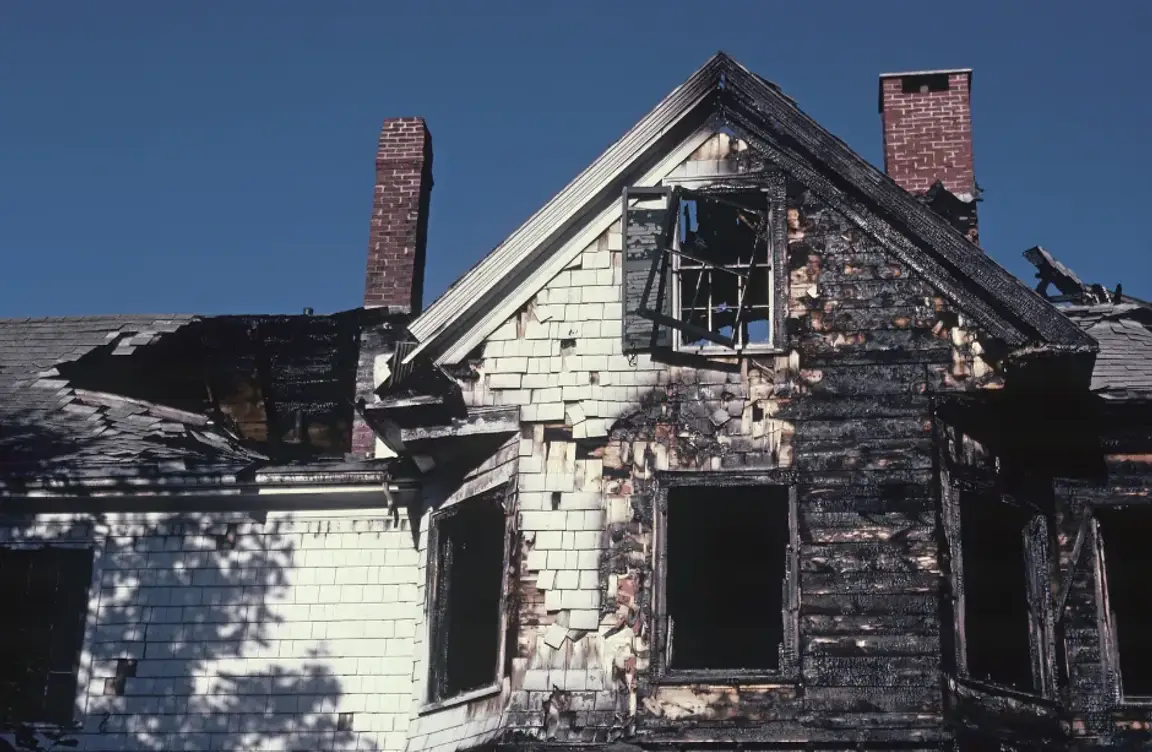
Yes, you can sell a fire-damaged house as-is in Los Angeles without making a single repair. California law lets you sell a home in any condition as long as you disclose the fire damage you know about. Most sellers in this position choose between repairing first, listing as-is on the open market, or selling directly to a cash buyer who factors the damage into the price.
TLDR
- Selling as-is without repairs is legal in California as long as you disclose known fire damage under Civil Code Section 1102.
- Rebuild costs in Los Angeles County are running $450 to $750 per square foot in 2026, well above what most homeowners’ insurance pays out.
- A full rebuild typically takes 12 to 18 months once permitting, contractor scheduling, and inspections are factored in.
- Cash buyers price a fire-damaged house using the after-repair value minus repair costs and their own risk, which usually lands below what a fully repaired home would sell for.
- Selling as-is is the right move for some homeowners and the wrong one for others. It depends on your insurance payout, your timeline, and how much of the damage you can afford to fix.
A house fire doesn’t end when the flames go out. That’s usually when the real decision starts, and it’s the one nobody warns you about: repair it, or let it go.
For a lot of Los Angeles homeowners, that decision gets made for them by the numbers, and not gently. Insurance rarely covers the full cost of rebuilding, construction prices in LA are among the highest in the country, and a rebuild can eat a year or more of your life before you ever move back in. Some families do have the coverage, the patience, and the stomach for that, and rebuilding is the right call for them.
This article is for everyone else. It walks through what selling a fire-damaged house without repairs involves in Los Angeles right now, what the law requires you to disclose, what rebuilding costs today, and how a cash offer gets calculated. For rebuild and recovery resources, see our full fire recovery guide.
Can You Sell a Fire-Damaged House As-Is in Los Angeles?
Yes. California law doesn’t require a home to be in any particular condition before you sell it. It only requires you to tell the buyer what you know is wrong with it.
That distinction matters more than it sounds like it should. Investors and cash buyers actively look for damaged properties that retail buyers pass on, so a fire doesn’t take your house off the market, it just changes who’s likely to buy it and what they’re willing to pay. Retail buyers using a mortgage run into a separate wall entirely: most lenders won’t finance a home with structural fire damage until it’s repaired, which knocks a large share of the buyer pool out before anyone ever sees the house in person. That’s a big part of why fire-damaged homes tend to sell faster, and with fewer surprises, to buyers who pay cash and skip financing altogether.
What You Have to Disclose When You Sell
Under California Civil Code Section 1102, sellers must complete a Transfer Disclosure Statement and tell the buyer about any known material damage to the property, including fire and smoke damage. This applies whether you’re selling as-is or after repairs, and it applies even when a buyer says they don’t want a standard inspection.
Smoke residue and structural compromise both count as material facts, not just visible burn damage.
Skipping the disclosure doesn’t make the house sell faster. It creates legal exposure that can follow you well after closing, since a buyer who discovers undisclosed damage later can pursue a claim against you as the seller.
If your fire happened somewhere already navigating post-2025 wildfire recovery, some cities and counties have set up dedicated permitting and rebuild resource centers that are worth knowing about even if you decide to sell rather than rebuild. They don’t change what you owe a buyer, but they’re a good first call if you’re still weighing the decision.
What Rebuilding Actually Costs Right Now
The math here is what drives most sellers’ decisions.
And it’s gotten worse, not better. Rebuild costs in Los Angeles County are running $450 to $750 per square foot in 2026, once architecture, engineering, permits, and construction are factored in. For a 1,800-square-foot home, that’s a range of roughly $810,000 to $1.35 million before soft costs like temporary housing even enter the picture.
That’s a meaningful jump from what rebuilding cost even a year or two ago, driven by tighter wildfire-resilient building codes, higher material and labor costs, and a county full of homes rebuilding at the same time and competing for the same contractors.
Homes using county pre-approved plan sets sometimes land at the lower end of that range, since they skip a chunk of custom architectural fees. But for most homeowners, the number that matters isn’t the rebuild cost on its own. It’s the gap between that number and what insurance pays.

When the Insurance Payout Doesn’t Cover the Rebuild
This is the gap that pushes most homeowners toward selling.
Underinsurance has been a documented, widespread problem across Los Angeles County’s recent wildfire recovery. California’s FAIR Plan, the insurer many homeowners in high-risk areas end up with, has faced its own claims backlog and financial strain from the sheer scale of recent fire losses across the state.
If your payout is $200,000 short of what a contractor quotes you, you’re not really choosing between repairing and not repairing. You’re choosing between finding that $200,000 somewhere else, usually a loan against a home you may not even want to keep, or selling the property as it stands and letting someone else take on the rebuild.
Open insurance claims don’t automatically block a sale. A cash buyer can often still make an offer and move toward closing while a claim is pending, though the exact arrangement depends on your specific policy and where the claim stands.
How Long a Rebuild Actually Takes
Even with money in hand, a full rebuild in Los Angeles typically takes 12 to 18 months from permitting through move-in. That’s when nothing goes wrong.
Standard plan check alone runs 2 to 8 weeks, extending to as long as 16 weeks for hillside, coastal, or high fire hazard severity zone parcels, before construction even starts. That timeline assumes a contractor with an open schedule, no supply delays, and no surprises once the foundation is exposed.
A year and a half of temporary housing, storage, and carrying costs on a property you can’t live in adds up fast, and it’s time most families weighing this decision simply don’t have to spare.
How Cash Buyers Price a Fire-Damaged House
Investors typically start from the home’s after-repair value, the price it would sell for fully restored, then subtract the estimated cost of repairs and the margin they need to take on the risk and the work. A $700,000 after-repair home with $200,000 in estimated repairs might net an offer closer to $450,000 to $500,000, depending on the buyer.
That number is lower than full market value. It should be.
It’s not a lowball, though.
It reflects real repair costs, the risk the buyer is taking on sight-unseen structural issues, and the fact that they’re paying cash with no financing contingency to slow things down. What it buys you in return is speed and certainty, no repairs, no waiting on a buyer’s loan to clear, and no re-negotiating after an inspection turns something up that nobody saw coming.

Your Options
Selling as-is to a cash buyer isn’t the only path. If your damage is more cosmetic than structural, selling a house that needs repairs the traditional way, or repairing and relisting on the open market, can net a higher sale price if you have the insurance proceeds, the time, and the stomach for a 12 to 18 month rebuild. See our fire damage vs. as-is comparison for the fuller breakdown.
If you’ve read this far, you’re probably somewhere between weighing your options and just wanting a number to compare against. Mrs. Property Solutions buys fire-damaged houses in Los Angeles County as-is, without requiring repairs, cleanup, or a completed insurance claim before closing.
We’ve purchased 150+ homes since 2016 and have earned 50+ five-star reviews from sellers, including families working through exactly this situation. The offer we make is the offer we honor, with no last-minute renegotiation after you’ve accepted it. If you want to see what a cash offer looks like for your property, you can get a free cash offer and decide from there.
Frequently Asked Questions
Is a cash offer on a fire-damaged house always a lowball?
No. A cash offer reflects the after-repair value minus real repair costs and the buyer’s risk, not an attempt to underpay. Compare it against what you’d net after repair costs, holding costs, and agent commission on a traditional sale, since those numbers often close the gap more than they look at first.
Do I have to clean out debris or make any repairs before selling?
No. A cash buyer purchasing a fire-damaged house as-is takes the property in its current condition, debris, soot damage, and all. You aren’t required to clear, clean, or repair anything before closing.
Can I sell my house if my fire insurance claim is still open?
In most cases, yes. A cash buyer can often make an offer and move toward closing while a claim is pending, though the specific arrangement depends on your policy and how far along the claim is. Ask any buyer directly how they handle an open claim before you sign anything.
What exactly counts as fire damage I have to disclose?
Structural damage, smoke residue, and any material defects the fire caused all count, not just visible charring. California Civil Code Section 1102 requires disclosure of known material facts affecting the property, and that includes fire damage discovered during cleanup or inspection after the fact.
Will I get less money selling as-is instead of repairing first?
Usually, yes, compared to a fully repaired home sold at market value. But that comparison only matters if you can afford the repair costs and carry the property for 12 to 18 months. For many sellers, the real comparison is a cash offer today against a rebuild loan, a year of temporary housing, and an uncertain final sale price.
How fast can a cash sale close after a fire?
Many cash sales close in 14 to 30 days once an offer is accepted, since there’s no lender underwriting or appraisal contingency to wait on. Timing still depends on title work and any liens or open claims tied to the property.
Is selling to a cash buyer different from selling as-is on the MLS?
Yes. Listing as-is on the MLS still exposes the property to retail buyers who often can’t get financing for fire damage, which can mean months on market and lowball offers anyway. A direct cash sale skips the listing process entirely.
Disclaimer: This article explains how selling a fire-damaged house generally works in California. It isn’t legal or tax advice, and disclosure requirements can vary by county and by situation. Talk to a real estate attorney about your specific case, especially if your insurance claim is still open.