
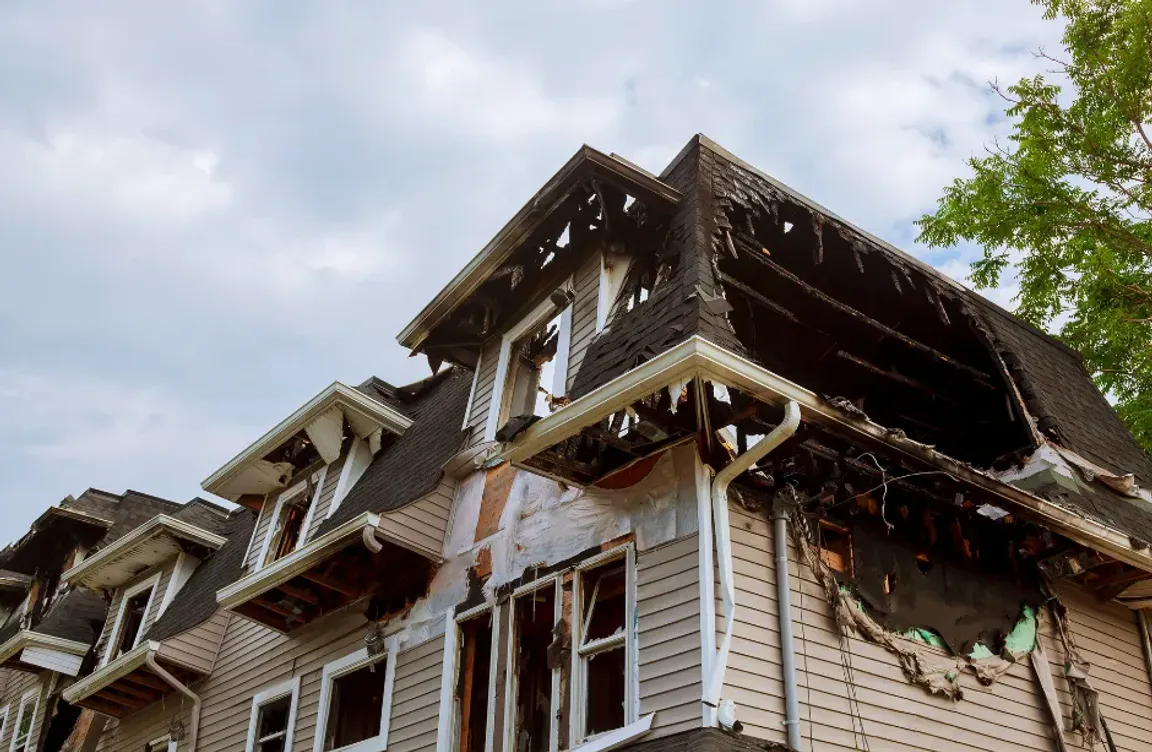
Selling a fire-damaged house as-is is usually faster and less expensive than repairing it first, since California repairs after fire damage often run $25,000 to $150,000 or more and take six months to a year, while an as-is cash sale can close in two to four weeks. Repairing first can still be the right call if insurance covers most of the cost and there’s no pressure to move quickly.
TLDR
- Fire damage repairs in California typically cost $25,000 to $150,000 or more, and most homeowners carry that cost until the insurance settlement clears.
- As-is buyers price around the after-repair value, so the offer reflects the cost of the work still needed, not the home’s fully repaired value.
- California law requires disclosure of fire damage on the Transfer Disclosure Statement even after repairs are complete.
- Like-for-like rebuild permits in fire-affected LA County areas now move faster than a standard permit, but a non-fire repair project still follows the normal timeline.
- An as-is sale usually closes in two to four weeks with no financing contingency, since most lenders won’t finance a home with unrepaired fire damage.
A house fire changes the math on everything.
One day you’re planning where to put the new couch, and the next you’re standing on the sidewalk watching a fire crew wrap up, wondering what happens to the mortgage payment due in three weeks.
The insurance company will eventually send an adjuster, and the adjuster will eventually send a number, and somewhere between the two you have to decide something nobody trained you for: do you put the house back together, or do you sell it the way it sits.
Losing a home to fire is one of the harder things a person goes through, and there’s no version of this decision that doesn’t involve some kind of loss. The question worth answering clearly is which loss you can live with.
For a full breakdown of your options right after a fire, from insurance to cleanup to selling, see our full guide to recovering from a house fire in Los Angeles. This guide focuses specifically on the repair-or-sell-as-is decision.
What “Fire Damage” Actually Covers
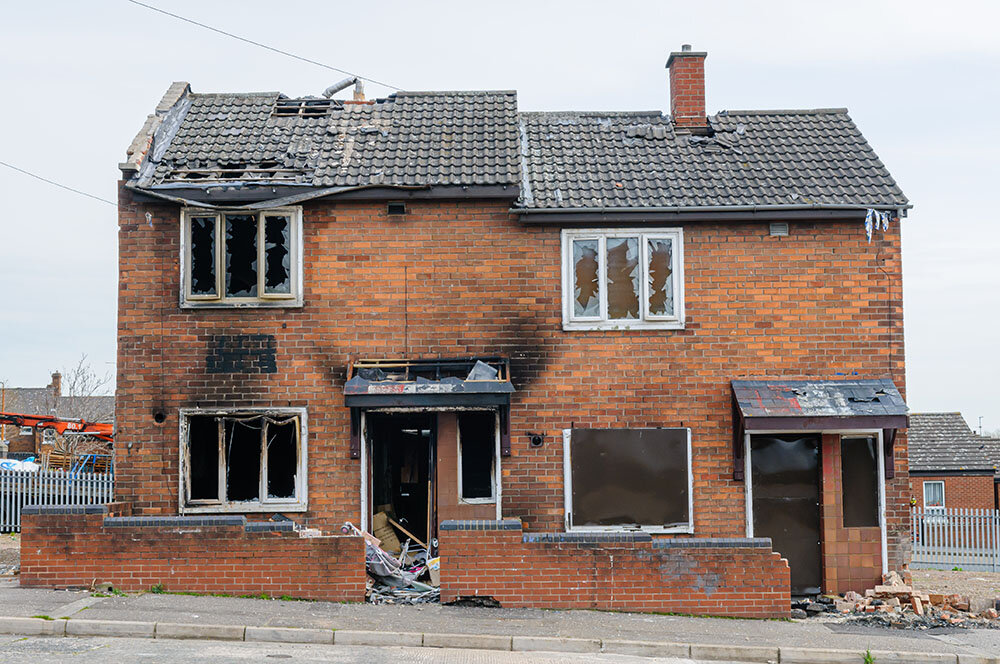
Fire damage isn’t only the burned part of the house. A fire that stays in one room can still leave smoke residue through the HVAC system, water damage from the hoses that put it out, and soot embedded in insulation nobody sees again once the drywall goes back up.
That matters for the decision because a small visible fire and a small actual repair bill aren’t the same thing. A kitchen fire that never left the room can still mean pulling every duct in the house for smoke remediation. Lenders and inspectors both know this, which is part of why a fire-damaged home is harder to finance than it looks once you’re standing in it.
What Repairing First Costs
Fire damage repair in California commonly runs $25,000 to $150,000 or more, depending on how far the damage went beyond the visible burn area.
A single-room fire with smoke damage through the house sits toward the lower end. Structural fire damage, especially anything touching the roof framing or load-bearing walls, pushes toward the higher end fast. Three things drive the number up beyond what the fire itself did: smoke and soot remediation on surfaces that weren’t burned, code upgrades the permit office requires once a wall is opened even if the code change has nothing to do with fire, and, in older homes, asbestos.
A house built before the 1980s that suffered structural fire damage can trigger asbestos abatement before any contractor is allowed to touch the framing. That adds real weeks and real cost before rebuilding even starts, and it isn’t hypothetical.
A rental condo Mrs. Property Solutions bought in Palmdale had suffered a significant fire about a year before the sale. The property was down to the studs by the time the owner’s two insurance companies finished arguing over the settlement, and because the building dated to 1979, a HazMat team had to clear asbestos before any repair work could begin at all. The seller ended up choosing to sell as-is instead, even though other buyers had offered more, because the process itself had already worn him down.
How Long a Fire Repair Takes
Most fire repairs in California run six months to a year, start to finish. That includes the insurance settlement, the contractor bid process, permitting, the work itself, and final inspection. Complex jobs with asbestos, structural framing, or a slow insurance company can run longer.
There’s a real exception worth knowing about if your home was lost in one of the 2025 Los Angeles-area wildfires. LA County and the City of Los Angeles both created a like-for-like rebuild pathway for homes destroyed in the Palisades and Eaton fires, and it moves faster than a normal permit. A like-for-like rebuild, one that stays within about 110% of the original home’s footprint and height, can get planning approval in as little as a few business days in some jurisdictions, compared to months under a standard review. City architects have reported planning approvals of three days for qualifying rebuilds, work that would normally take three months.
That fast track applies specifically to wildfire rebuilds tied to a declared disaster area. A single-family kitchen or garage fire unrelated to those events still goes through the standard LADBS or county permitting timeline, which for a project this size commonly runs eight to twelve weeks for plan check alone, before construction starts.
What Selling As-Is Means for Your Number

Selling as-is means a buyer takes the house in its current condition and handles the repairs themselves. Most as-is buyers, including cash buyers and investors, price their offer around the home’s value after repairs, minus what those repairs will cost plus their margin for taking on the risk and the work.
That’s why an as-is offer is lower than what the house would sell for fully repaired. It isn’t a lowball built on urgency, and it isn’t arbitrary either. It’s the same math a repaired sale would eventually run, just done up front by the buyer instead of by you and a contractor over the next year.
Selling as-is skips the repair cost itself and the six-to-twelve-month timeline that comes with it. It also skips financing contingencies, since most lenders won’t underwrite a loan on a home with unrepaired fire damage, which narrows the buyer pool to cash buyers and investors.
And it skips the carrying costs of a vacant, damaged property. Property taxes, insurance, and utilities don’t pause while a rebuild is underway. For a closer look at how an as-is sale works without any repairs on your end, see our guide to selling fire-damaged property with no repairs required.
Do You Have to Disclose Fire Damage If You Sell As-Is
Yes. Selling as-is does not remove California’s disclosure requirement. Under the state’s Transfer Disclosure Statement rules (California Civil Code Section 1102), sellers must disclose known material facts about a property’s condition, and major fire damage to the structure is explicitly one of the items the form requires. The obligation applies even if the fire happened years ago and even if some repairs were already made.
This surprises people who assume “as-is” means they can skip the paperwork. As-is describes the condition the buyer is accepting, not what you owe them in disclosure. Leaving fire history off the form, even by accident, can create legal exposure well after closing.
Can You Sell a House With an Open Insurance Claim

Generally yes, though the details depend on your policy and your insurer. An open claim doesn’t automatically block a sale, and many as-is buyers are used to working with a claim still in process.
What matters is transparency: the buyer needs to know the claim exists, what it covers, and whether the proceeds transfer with the property or stay with you at closing.
Talk to your insurance company directly about how a sale affects a pending claim before you sign anything. This is one place where a general guide can’t substitute for your actual paperwork.
Repairing First Can Still Make More Sense
There are real situations where rebuilding beats selling as-is, and it’s worth naming them plainly instead of only building the case for a faster sale.
If your insurance settlement fully covers the rebuild cost, if you’re not in a hurry, and if the neighborhood is one where fully repaired homes are selling well above what an as-is sale would bring, repairing can put more money in your pocket at the end. That math works best when the gap between the as-is offer and the fully-repaired sale price is large enough to justify six to twelve months of carrying costs and construction stress.
It also depends on having the settlement in hand, not the promise of one still working through the insurer’s process. If your home needs more than fire repair, for example structural or foundation work found during the process, see selling a house that needs too many repairs for how that decision plays out more broadly.
If you’re rebuilding under the like-for-like wildfire pathway in an LA County disaster area, the shortened timeline changes that math meaningfully in favor of repairing, since you’re no longer weighing a fast sale against a full year of construction.
Selling As-Is vs Repairing First: The Comparison
| Factor | Repair, Then Sell | Sell As-Is |
| Typical cost to you | $25,000-$150,000+ | $0 out of pocket |
| Typical timeline | 6-12 months (faster for qualifying wildfire rebuilds) | 2-4 weeks |
| Financing available to buyer | Yes, standard mortgage options | Usually cash or investor only |
| Who handles repairs | You, before the sale | The buyer, after closing |
| Disclosure required | Yes | Yes |
| Best fit | Full insurance coverage, no time pressure, strong resale market | Limited funds, limited time, or damage beyond what you want to manage |
Selling fast doesn’t have to mean settling for the first number you hear. If you’ve read this far, you’ve probably already run some version of this math yourself, and you know there’s no version of a house fire that comes with an easy choice attached.
Mrs. Property Solutions buys fire-damaged houses across Los Angeles County as-is, in whatever condition the fire left them. Founded in 2016, the company has purchased 150+ homes across Southern California and has earned 50+ five-star reviews from sellers, many of them navigating exactly this kind of situation.
Since 2016 · 150+ homes purchased · 50+ five-star reviews · local to LA County · no repairs, no commissions · the offer we make is the offer we honor.
If you want a straightforward look at what your fire-damaged property could sell for as-is, get a no-obligation cash offer. There’s no cost to ask, and no pressure to accept.
Frequently Asked Questions
Is an as-is offer on a fire-damaged house always a lowball?
No. An as-is offer reflects the home’s value after repairs, minus the actual cost of those repairs and the buyer’s margin for taking on the work. It’s lower than a fully repaired sale price by design, not because the offer is unfair.
Do I need a public adjuster before selling my fire-damaged house?
Not necessarily, but a licensed public adjuster can help confirm your insurance settlement reflects the true damage before you decide whether to sell or rebuild. This matters most when the insurer’s initial number seems low relative to the visible and hidden damage.
Can I sell my house if the fire was caused by my own negligence?
Yes, the cause of the fire doesn’t prevent a sale. You still must disclose what happened and the extent of the damage, regardless of cause, under California’s material fact disclosure rules.
How fast can a cash sale close after a house fire?
Most as-is cash sales on fire-damaged homes close in two to four weeks, since there’s no lender underwriting or repair contingency holding up the timeline. The exact date is something the seller can typically choose.
Will smoke damage alone lower my sale price if I sell as-is?
Yes, smoke and soot remediation costs money even without visible fire damage, and an as-is buyer factors that into the offer the same way they would factor in structural repairs.
Does selling as-is mean I lose my insurance payout?
Not automatically. Whether insurance proceeds stay with you or transfer with the sale depends on your policy and the status of your claim. Confirm this with your insurer directly before finalizing a sale.
Disclaimer: This article explains how selling a fire-damaged house generally works in California. It isn’t legal, tax, or insurance advice, and rules vary by county, insurer, and situation. Talk to a licensed public adjuster about your claim and a real estate attorney about your specific disclosure obligations.