

Before a California probate house can be listed or sold, the personal representative needs specific court-issued documents, starting with Letters Testamentary or Letters of Administration. Without a certified copy, no title company or buyer will move forward. The full list runs from the death certificate through the final inventory and appraisal.
TLDR
- Before anything else, the personal representative needs Letters Testamentary or Letters of Administration, the court-issued proof of authority to act for the estate.
- A probate referee appointed by the California State Controller’s Office values the real estate for the Inventory and Appraisal, not a private appraiser the family hires.
- Full authority under the Independent Administration of Estates Act lets a representative sell with a 15-day Notice of Proposed Action to heirs, while limited authority sends the sale to a court confirmation hearing with in-person overbidding.
- California Civil Code sections 1102.2 and 1103.1 exempt most probate sales from the standard Transfer Disclosure Statement and Natural Hazard Disclosure, though known material defects still need to be disclosed.
- Under a 2025 law, primary residences valued at $750,000 or less may qualify for a simplified succession petition instead of full probate, under Probate Code sections 13151 through 13154.
Nobody warns you that grief comes with paperwork.
You just lost someone, and now there’s a house sitting there with your name attached to it somehow, and a folder of court forms nobody explained before handing them to you.
You don’t need a law degree to sell that house. You need a specific stack of documents, most of which the court hands you automatically once you file for the right one, and a sense of which order they come in.
Below is that stack, in the order most sellers run into it, along with where things typically stall.
The Death Certificate Comes First
Everything starts with the certified death certificate.
You’ll need several certified copies, not just one, because the probate court, the title company, creditors, and sometimes the county recorder each want their own original. Order at least five to eight when you first request them from the county. Running out partway through the process means another trip to vital records and another wait, usually two to three weeks.
Without a death certificate, probate cannot open, and nothing else on this list moves.
The Will, If One Exists, Has to Be Filed With the Court
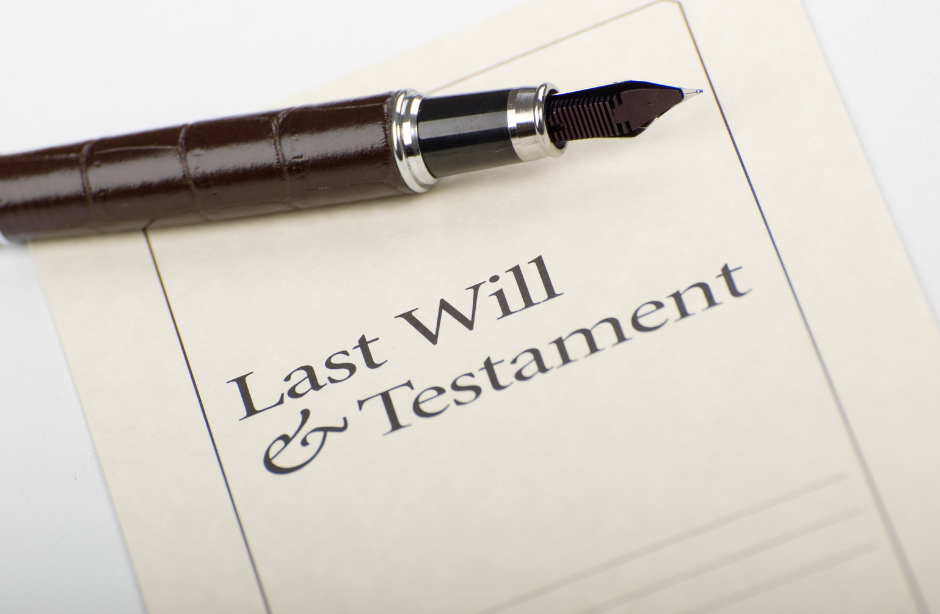
If your family member left a will, the original has to be lodged with the probate court, even if everyone already knows what it says.
California Probate Code section 8200 requires whoever has the will to deliver it to the court clerk within 30 days of learning of the death, and to mail a copy to the named executor. A copy generally will not do. The court wants the original, with the actual signatures, because that’s what makes the document legally binding.
The will names who’s supposed to run the estate, says who inherits what, and sometimes includes instructions specific to the house, like who gets first right to buy it. Having a will doesn’t skip probate when real estate is involved. It tells the court who’s in charge and what everyone is owed.
If there’s no will, the estate moves through California’s intestate succession rules instead, and the court appoints an administrator from a set order of relatives.
The Petition for Probate Opens the Case
This is the document that starts everything.
Filed with the probate court, the petition asks the court to open a case, requests appointment of an executor or administrator, and lists the estate’s basic information, including the heirs. Once it’s filed, the court sets a hearing date, usually four to eight weeks out depending on the county’s calendar.
Nothing else on this list can happen until this petition is on file.
Letters Testamentary or Letters of Administration Are Your Actual Authority to Sell
This is the single most important document in the whole process.
Letters Testamentary go to an executor named in a will. Letters of Administration go to an administrator when there’s no will or no named executor available. Either way, the court issues these letters after the hearing, and they’re what gives someone legal authority to act for the estate.
You cannot list the house, sign a purchase agreement, or close escrow without a certified copy of these letters. Title companies and buyers will ask for one before they’ll move a transaction forward, and most want a copy issued within the last 60 days.
The Order for Probate Confirms Who’s in Charge
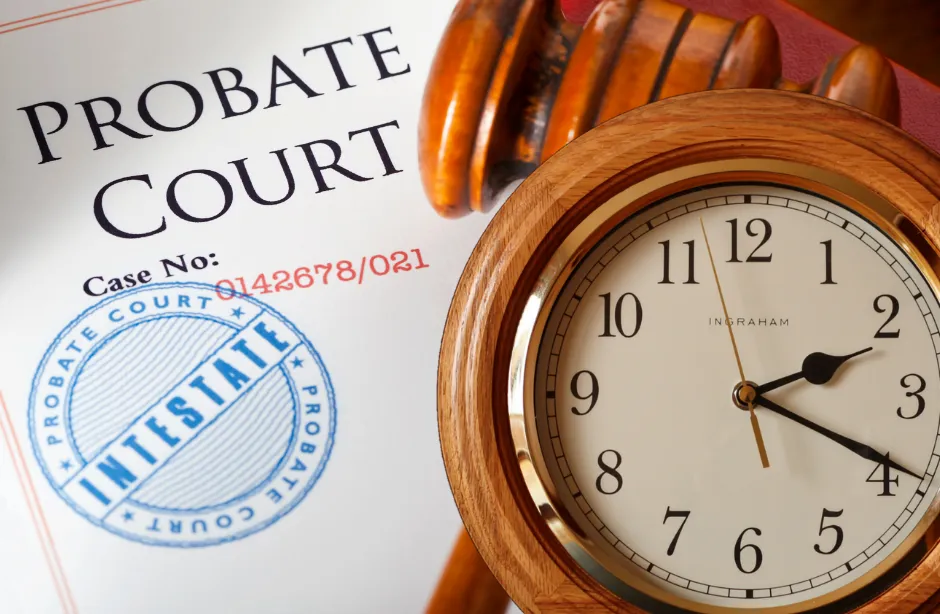
The Order for Probate is the court order that officially appointed the executor or administrator, and it works alongside the Letters to prove authority.
This order also specifies whether the representative has full authority or limited authority under the Independent Administration of Estates Act, and that one distinction changes how the house can be sold more than almost anything else on this list. Full authority lets a sale move forward with notice to heirs. Limited authority sends it to a courtroom.
A Probate Referee, Not a Private Appraiser, Values the House
California requires a formal inventory and appraisal of everything the estate owns, filed on Judicial Council Form DE-160 and DE-161.
For real estate specifically, the valuation comes from a probate referee, a professional the California State Controller’s Office appoints and assigns to the case on a rotating basis, not someone the family hires or picks. The referee’s number becomes the filed value for the property and factors into creditor payments, how the estate gets divided, and where a listing or offer price starts from.
Skip this filing and the estate can’t move toward final distribution, sold house or not.
Heirs Get 15 Days’ Notice Before a Full-Authority Sale
If the representative has full authority under the Independent Administration of Estates Act, California law generally requires a Notice of Proposed Action before the house can be sold.
The notice goes to every heir entitled to it, describes the sale and its terms, and starts a 15-day clock. If nobody objects in writing during that window, the sale proceeds without a court hearing. If someone does object, the representative has to seek court approval before moving forward.
It’s a lighter process than it sounds. Most probate sales in California move through exactly this path.
Limited Authority Sends the Sale to a Court Confirmation Hearing
Limited authority means the representative can’t finalize a sale on notice alone.
Instead, the sale requires a Report of Sale, an overbid calculation if a higher offer comes in at the hearing, and formal court confirmation before escrow can close. Anyone can show up and bid at the hearing itself, which is public. This route generally adds a month or more compared to a full-authority sale, and it’s worth checking early which authority the court granted, since it’s easy to assume more flexibility than the estate has.
The Preliminary Title Report Surfaces Liens and Mortgages
Before closing, a title company runs a preliminary title report on the property.
It shows every lien, mortgage, and recorded claim against the house, along with who’s on title and any easements or restrictions that could affect a sale. Old mortgages, contractor’s liens, and property tax debt typically surface here, and most get paid directly out of escrow at closing rather than something the family has to resolve beforehand.
Order this early. A title issue found the week before closing is a common reason probate sales get delayed.
Are Sellers Still Required to Provide Disclosures in Probate?
Before selling, a title company will issue a preliminary title report.
This report identifies:
- Liens
- Mortgages
- Tax obligations
- Ownership details
Any title issues must be resolved before closing.
The Final Distribution Order Only Matters If the House Wasn’t Sold in Probate
If the property doesn’t sell during probate and instead passes to the heirs, a certified copy of the court’s final distribution order is what legally transfers title into their names.
Only after that step can the heirs sell the property themselves, in their own names, outside the probate process. This path usually means a longer timeline before a sale can even begin.
Where These Sales Usually Get Delayed
In practice, the same handful of things slow down a probate sale in California over and over.
- Letters haven’t been issued yet, but someone is already trying to market the house
- The Inventory and Appraisal wasn’t filed before a buyer’s lender started asking questions
- A Notice of Proposed Action went out but wasn’t served correctly, restarting the 15-day clock
- An heir objects at the last minute, sometimes after months of silence
- A title issue surfaces during escrow instead of before listing
A family selling a Costa Mesa property ran into the first one on this list. They listed the house before Letters of Administration had been issued, and the listing had to come down mid-marketing once the buyer’s escrow officer discovered the estate didn’t yet have legal authority to sell.
After the court appointment went through and the paperwork caught up, they relisted and closed three months later, with escrow itself taking about two weeks once the documents were in place. For a case in Orange County specifically, The 2026 Guide to Selling a House in Probate in Orange County covers the county-specific timeline.
Get the Letters first, then list. It’s the single most common reason a probate sale in California stalls before it starts.
Once the Documents Are In Order
Getting these documents together doesn’t decide how you sell. Once the estate has clear authority to sell, you can list the house with an agent the normal way, or sell directly to a cash buyer and skip the repairs, showings, and financing contingencies that can add weeks to an already long process. The 2026 Guide to Selling a House in Probate in California walks through that full decision, including when each path makes sense.
Ready to Sell Once Your Documents Are In Place?
If you’ve made it this far, you’re probably deep in the paperwork and wondering how it all comes together at closing.
Mrs. Property Solutions buys houses in probate directly, as they are, without repairs, staging, or open houses, and without a financing contingency that can fall through partway through an already long process. Cristina Ortega has bought 150+ homes across Los Angeles County and Southern California since 2016, backed by 50+ five-star reviews from families navigating the exact situation you’re in right now. The offer she makes is the offer she honors, with no renegotiating once escrow opens.
If you want to talk through your specific documents and timeline, get a cash offer or call (626) 344-9579. There’s no obligation, and no cost to find out what your options look like.
Frequently Asked Questions
Do I need the original will, or is a copy enough to start probate?
You need to make a genuine effort to locate the original. California courts generally require the original will for probate, not a copy, because the original carries the actual signatures the court relies on. If the original is lost, an attorney can petition the court to admit a copy, though it takes extra proof and time.
Can I sign a purchase agreement before I receive Letters Testamentary or Letters of Administration?
No. Until the court issues Letters, you have no legal authority to bind the estate to a sale. You can prepare the house, gather documents, and talk with buyers, but the signature on a purchase agreement has to wait for that certified document.
What happens if the probate referee’s valuation seems too low?
You can ask for a review, and in some cases request the court order a second appraisal, though that adds time and cost. Most families find the referee’s number close to market value, since referees use standard methods and are assigned by the California State Controller’s Office, not chosen by either side.
Do all the heirs have to sign off before I can sell the house?
Not necessarily. Under full authority, heirs receive a Notice of Proposed Action and have 15 days to object, but they don’t have to actively agree. Limited authority sends the sale to a court confirmation hearing instead, where objections carry more weight.
If there’s a mortgage or lien on the house, does it show up in the probate paperwork?
Yes. The preliminary title report, ordered before closing, lists every mortgage, lien, and recorded claim against the property, including anything recorded years before the estate opened. Most of these are paid directly from escrow at closing rather than something the family resolves out of pocket beforehand.
Do I still have to fill out a Transfer Disclosure Statement for a probate sale?
Usually not. California Civil Code sections 1102.2 and 1103.1 exempt most court-ordered probate sales from the standard Transfer Disclosure Statement and Natural Hazard Disclosure. You still have to disclose known material defects you’re personally aware of, so ask a probate attorney about your specific case.
What if I can’t find some of these documents at all?
Missing documents rarely stop a sale outright. Certified death certificates can be reordered from vital records, court forms can be re-filed, and a probate attorney can help reconstruct a record when the original will can’t be located, using court filings or a certified copy on file elsewhere.
This article explains how probate documentation generally works in California. It isn’t legal or tax advice, and requirements vary by county and by the specifics of each estate. Talk to a probate attorney about your situation before making decisions about the sale.
Related Reading
- How Long Does Probate Take in California (And Can You Speed It Up)?
- What Happens if a House Goes into Probate Without a Will in California?
- How Much Does Probate Cost in California?
- Can You Sell a House Before Probate Is Completed in California?
- How to Avoid Probate in California (Trusts, TOD Deeds, etc.)
- Selling a House in Probate California