
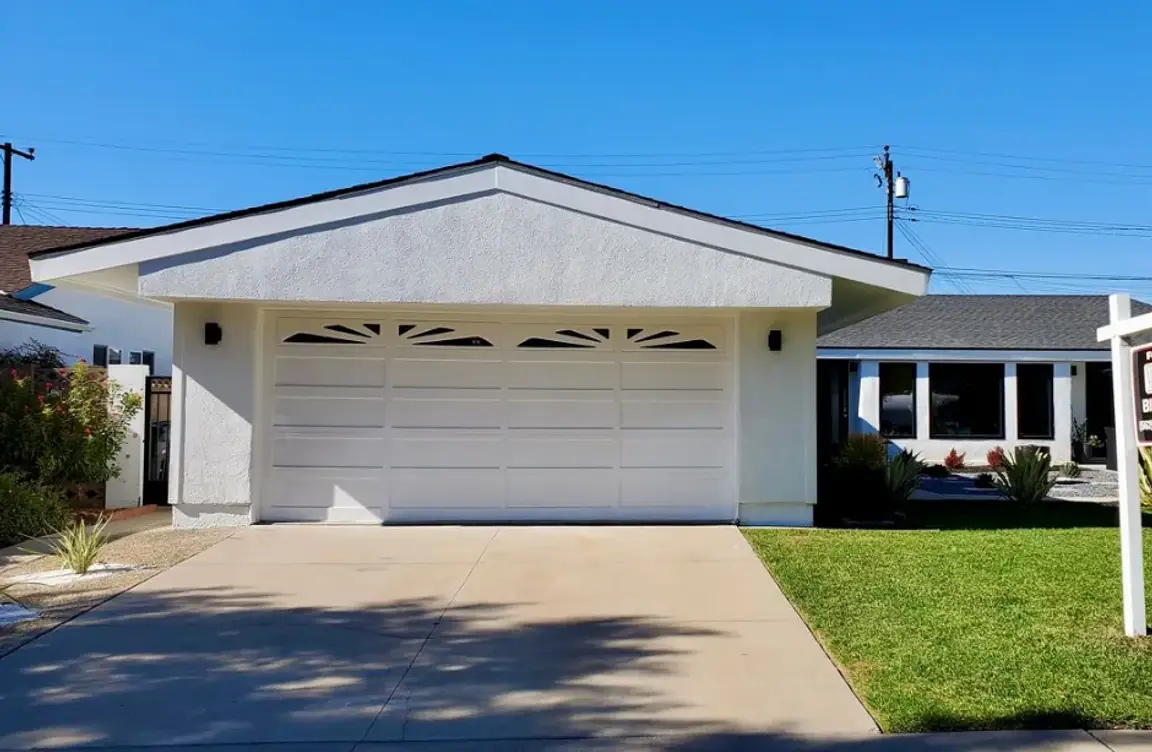
When someone dies without a will in California, their house still goes through probate. State intestate succession law decides who inherits, the court appoints an administrator instead of an executor, and that administrator needs court authority before selling anything, which usually takes longer than a straightforward probate with a will.
TL;DR
- California law, not the family’s wishes, decides who inherits a house when there’s no will, following a fixed order that starts with a surviving spouse and children.
- The probate court appoints an administrator instead of an executor, and that person needs Letters of Administration before acting on the house.
- Selling the house usually requires full authority under the Independent Administration of Estates Act, or a separate court confirmation hearing.
- Intestate probate in California commonly takes 12 to 18 months or longer, and multiple heirs often have to agree before a sale can move forward.
- Estates with $208,850 or less in personal property, as of 2026, may qualify for a simplified small estate affidavit instead of full probate.
A parent dies, and nobody can find a will.
That’s usually the moment the phone calls start. One sibling swears there was a will somewhere in the filing cabinet. Another wants to know if the house still belongs to the family. Underneath it all sits the same fear, that not having a will means losing the house, or losing each other over it.
Losing a parent is hard enough without also needing a law degree to protect what they left behind. California has a set process for exactly this situation, called intestate succession. It isn’t fast, and it isn’t always simple, but it is predictable once someone walks you through it.
“Intestate” Just Means There Was No Will
When someone dies without a valid will in California, the law calls that dying intestate. It doesn’t mean the estate skips probate. It means the probate court follows a fixed set of state rules instead of a document the person signed, because there isn’t one. Those rules live in the California Probate Code, in the sections covering intestate succession generally. The court doesn’t decide what feels fair case by case. It applies the same statute the same way, in every county, every time.
California’s Order of Inheritance Without a Will
State law inherits in a fixed order, starting closest to home and moving outward only when no one is left in the closer category.
Under California law, if there’s a surviving spouse or registered domestic partner, they typically receive all of the couple’s community property automatically. Separate property, meaning anything owned before the marriage or received as a gift or inheritance, splits differently depending on who else survives. With no children, the spouse usually gets all of it. With children, especially from a relationship outside the marriage, the spouse typically receives only a portion and the children split the rest.
With no surviving spouse, the house passes to children first, then grandchildren, then parents, then siblings, and outward to more distant relatives if none of those exist.
Take a Downey homeowner who dies without a will, leaving a spouse and two children. The spouse would likely keep all the community property but only part of any separate property, with the children splitting the rest. Every family looks a little different once you add in a mortgage, a second marriage, or property owned before the marriage started. The exact math depends on how the property is titled, which is why this is a conversation for a probate attorney, not a formula from a blog post.
Executor vs. Administrator: The Court Appoints Someone to Act
A will typically names an executor, the person the deceased chose ahead of time to handle their estate. Without a will, nobody’s been chosen, so the probate court appoints an administrator instead. California law sets a priority order for who gets first consideration: a surviving spouse or domestic partner, then children, then grandchildren, then parents, then siblings, and on through more distant relatives if none of the closer ones are available or willing to serve. Multiple heirs can request to serve together as co-administrators, and often do.
Whoever gets appointed only gains authority once the court issues Letters of Administration.
Before that happens, no one, not even the closest relative, has the legal right to sell, transfer, or make binding decisions about the house.
The Administrator Can’t Sell the House Without Court Authority
Getting appointed is step one.
What the administrator can do with the house depends on what kind of authority the court grants under California’s Independent Administration of Estates Act, known as the IAEA.
With full authority, the administrator can list and sell the house largely on their own, subject to sending heirs a 15-day Notice of Proposed Action they have the right to object to. With limited authority, selling real property requires a separate court confirmation hearing, complete with the possibility of other buyers overbidding in the courtroom. That difference alone can add months to a sale. Full authority is far more common, and when it’s granted, meaningfully faster.
If you’re the one being asked to become administrator, our guide on court approval for probate sales walks through exactly what full versus limited authority looks like once you’re the one holding it.
Does the House Have to Be Sold?
Not automatically, but often, yes.
When multiple heirs inherit together without a will, California law typically has them hold the property as tenants in common, meaning every owner has to agree before the house can be kept, rented out, or sold.
Selling becomes the practical answer when heirs live in different states, when nobody wants to take on a mortgage payment or ongoing maintenance for a house they don’t live in, or when the estate needs cash to pay down debts before anything gets distributed.
If a family can’t agree at all, one heir has the legal right to file a partition action, asking a civil court to force a sale. That route adds real time and legal cost most families would rather avoid. Judges don’t love these cases either, since they usually end with the house selling anyway, just after months of legal fees nobody wanted to pay. We’ve written a full guide on what to do when heirs don’t agree that covers how most families resolve this without going that far.
Debts and Taxes Get Paid Before Any Heir Sees a Dollar
Dying without a will doesn’t erase what was owed.
In California, the estate still has to notify creditors, settle valid debts, cover court and attorney costs, and pay any outstanding property taxes before heirs receive their share.
The good news for most families: heirs generally aren’t personally on the hook for a parent’s debts unless they co-signed a loan or personally guaranteed it. The debt gets paid from what the estate owns, not from the heirs’ own bank accounts.
If the mortgage, tax, or lien situation on the house is more complicated than a simple payoff, our guide on probate with debt in California breaks it down in more depth.
Intestate Probate Usually Takes Longer Than Probate With a Will
Not necessarily — but often, yes.
Probate with a will is rarely fast. Probate without one tends to run longer, because the court has to confirm who the legal heirs are, work through extra paperwork, and resolve any disputes over the administrator appointment before the case can move forward. Across California, formal probate commonly takes 12 to 18 months for a straightforward estate, and longer whenever heirs disagree or the estate is hard to value. Timelines vary by county and by how busy the local probate court is that year. Our full guide on probate timelines in California goes deeper into what stretches that window and what can shorten it.
You Can Often Sell Before Probate Fully Closes
Once Letters of Administration are issued, a California administrator doesn’t have to wait for the entire probate case to close before selling the house, as long as they have the right kind of authority. Our guide on selling before probate is complete walks through when that’s realistic and when it isn’t. Selling earlier rather than later is often the practical move, since it stops property taxes, insurance, and basic upkeep from quietly draining the estate every month the house sits vacant. It also takes one more decision off the table while a family is still sorting out who gets what.
A Faster Path for Smaller Estates
Not every estate needs full probate. If the total personal property left behind, not counting the house itself, comes to $208,850 or less as of 2026, California allows heirs to collect it using a simplified small estate affidavit instead of opening a full case.
Real property has its own separate, smaller thresholds and its own paperwork, so a house rarely qualifies for this shortcut on its own. Most families dealing with a house still need the full probate process described above.
What This Can Look Like in Practice
Here’s a hypothetical, not a transaction we’ve handled, since every estate carries its own numbers. Picture a homeowner in Downey who passes away without a will, leaving a house worth around $700,000 and two adult children as the only heirs. With no will naming anyone, both children petition the court together, and the judge appoints one of them administrator with full IAEA authority. Letters of Administration typically arrive within a matter of weeks in a straightforward case. From there, the administrator can move to sell, as long as heirs get their 15-day notice first. If the siblings agree, proceeds split after debts, taxes, and probate costs. If they don’t, the tenants-in-common and partition-action rules covered above come into play.
Selling isn’t the only path once probate authority is in place. Some families keep the house and buy out the sibling who wants out, some list the house traditionally, and some sell directly to a cash buyer to skip repairs and a listing timeline. Our full guide to selling a house in probate in California walks through all three. Worth knowing either way: a traditional agent sale on a median-priced Los Angeles County home, roughly $888,000 as of early 2026, runs about $44,000 to $53,000 in commission alone before any other selling costs, which is often the number that tips a family toward a faster option.
By now you have a decent picture of what no-will probate involves, and a good guess at which parts will take the longest for your family.
If selling ends up being the right call once someone has authority to act, here’s what working with us looks like.
Mrs. Property Solutions buys houses directly from families in this situation, in any condition, without requiring repairs, cleaning, or a listing. We’ve done this in Los Angeles County and across Southern California since 2016, purchased 150+ homes, and earned 50+ five-star reviews along the way. We work alongside your probate attorney or the appointed administrator, and the offer we make is the offer we honor at closing, with no last-minute changes.
Get a no-obligation cash offer whenever you’re ready. There’s nothing to pay and no pressure to accept.
Frequently Asked Questions
Does a house in California automatically skip probate if there’s no will?
No. A house still has to go through probate whether or not there’s a will, unless it was held in a living trust, joint tenancy, or with a transfer-on-death deed. Dying without a will only changes who the court appoints to handle the estate and how the inheritance gets divided.
Who does the court appoint to manage the estate when there’s no will?
The court appoints an administrator, chosen from a priority list set by California law that starts with a surviving spouse or domestic partner, then children, then more distant relatives. Multiple heirs can request to serve together as co-administrators, and the court often grants that request.
Can a surviving spouse sell the house without going through probate?
Sometimes. If the house was community property and passes entirely to the surviving spouse, a simplified spousal property petition can avoid full probate administration. If separate property or other heirs are involved, formal probate and administrator authority are usually still required first.
Do all the heirs have to agree before the house can be sold?
When multiple heirs inherit together, they typically hold the property as tenants in common, which generally requires unanimous agreement to sell. If heirs can’t agree, one owner can file a partition action asking the court to force a sale, though most families work out a buyout or agreed sale first.
Is intestate probate more expensive than probate with a will?
Often, yes. Extra court filings, a longer timeline, and a higher chance of disputes between heirs tend to add attorney and court costs beyond what a straightforward probate with a will would cost. The exact difference depends on the estate’s size and whether anyone contests the administrator appointment.
What is a small estate affidavit, and can it be used for a house?
It’s a simplified process, under Probate Code Section 13100, for collecting personal property worth $208,850 or less without opening full probate. It generally doesn’t cover real property on its own, so a house usually still needs either formal probate or a separate small-estate real property procedure.
Do I have to make repairs before selling a house during probate?
No, not to any specific buyer. A house can be sold as-is during probate, though a traditional buyer’s lender may require certain repairs before approving financing. Selling to a cash buyer removes that requirement, since there’s no lender underwriting the sale or requiring an inspection to pass.
Disclaimer: This article explains how intestate probate generally works in California. It isn’t legal or tax advice, and rules vary by county and by the details of each estate. Talk to a probate attorney about your specific situation before making decisions about the house.
Related Reading
- The 2026 Guide to Selling a House in Probate in California
- Essential Probate Documents You’ll Need to Sell a House in California
- How Much Does Probate Cost in California?
- Inherited a House in California
- We Buy Houses in Downey, CA