
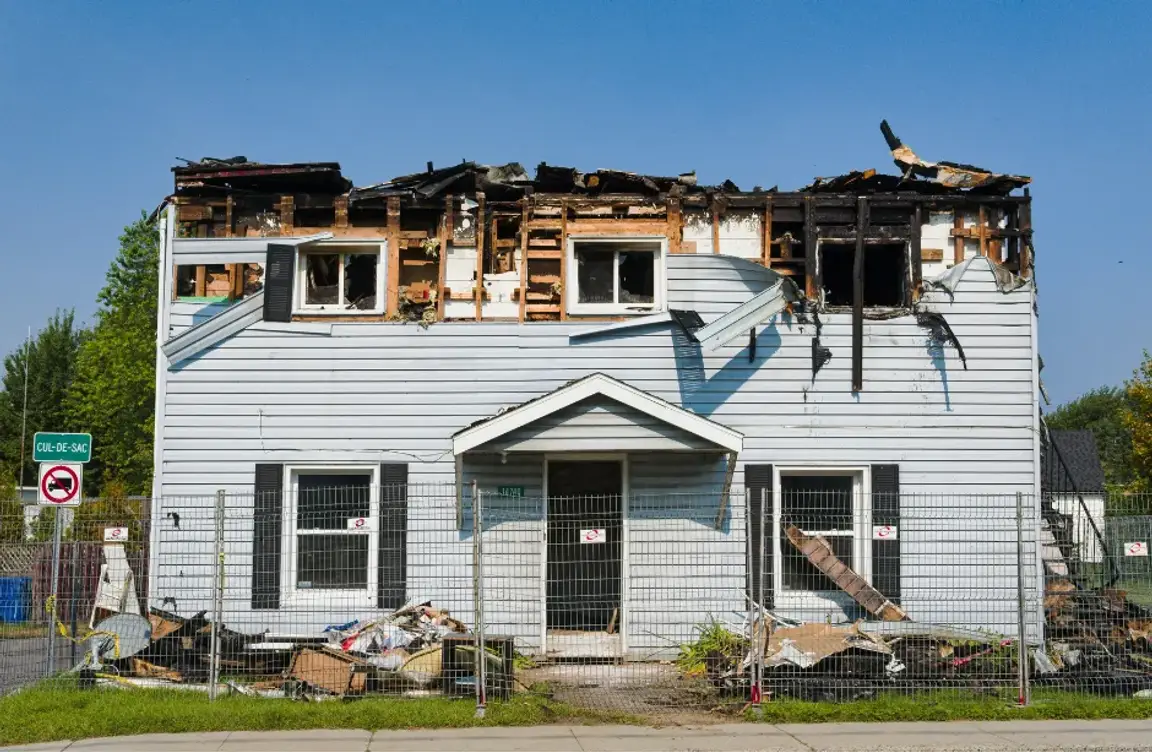
Listing a house as-is on the MLS in California tells buyers you won’t make repairs, but it doesn’t remove your duty to disclose known problems or stop buyers from inspecting, asking for credits, or canceling. Buyers using FHA or conventional loans may also need repairs before their lender will fund, which shrinks the buyer pool and usually lowers the price.
TLDR
- An as-is MLS listing means the seller won’t make repairs, but California sellers still owe a Transfer Disclosure Statement on most home sales under Civil Code 1102.
- Buyers of an as-is house can still inspect it, and the standard California purchase agreement gives them 17 days by default to request repairs, ask for a credit, or cancel.
- FHA and conventional lenders can require safety and structural repairs before funding, so a house in rough condition often ends up with mostly cash buyers.
- Listing as-is on the MLS works best for a livable, financeable house when the seller can wait and cover the monthly carrying costs.
Listing a house as-is feels like the honest way to sell a place you can’t fix up, and in a lot of ways it is, because you’re telling buyers upfront that the roof is the roof and the kitchen is from another decade and the price already reflects all of it.
But the word as-is does less than most sellers expect. It doesn’t cover your disclosures, it doesn’t stop an inspection, and it doesn’t make a lender any more willing to fund a house with a soft spot in the floor. The gap between what sellers think the label covers and what it covers is where most as-is deals come apart.
A lot of people reading this inherited the house, or opened a repair quote that stopped them cold, and neither one is anything to be embarrassed about.
An As-Is Label Doesn’t Cancel Your Disclosure Duty

Listing a house as-is in California means you won’t make repairs, and it does not let you skip telling buyers what you already know is wrong with the property.
California’s disclosure law, Civil Code 1102, applies to most sales of single-family residential property and states that “any waiver of the requirements of this article is void as against public policy.” In practice that means completing the Transfer Disclosure Statement, the state form where a seller checks off known problems with the roof, plumbing, electrical, foundation, and more. Writing as-is in the listing doesn’t change that, and neither does a buyer agreeing to take the house as it stands.
The standard purchase agreement from the California Association of Realtors says the same thing in contract language. It sells the house “‘AS-IS’ in its PRESENT physical condition” while keeping both the seller’s duty to disclose known material facts and defects and the buyer’s right to investigate.
There is one exception worth knowing about. Civil Code 1102.2 exempts sales by an executor or trustee administering a decedent’s estate or a trust, although not a revocable trust’s trustee who is a former owner or lived in the house within the past year. Exempt from the form isn’t the same as free to stay quiet about a known problem, and a probate attorney can tell you what your estate still owes a buyer. For everything that belongs on the form, see what California sellers must disclose.
Buyers Still Inspect, and the Price Can Reopen
An as-is listing in California doesn’t stop a buyer from inspecting the house, and under the standard purchase agreement it doesn’t stop them from asking for money or walking away after they do.
By default that contract gives the buyer 17 days after acceptance to finish their investigations. Based on what the inspector finds, the buyer can request repairs, ask for a credit, which is money off what they pay at closing, or cancel during that contingency period, the window where they can back out without losing their deposit. You’re free to say no to any request, and the buyer is free to cancel before that window closes.
So the negotiation you thought the as-is label had settled often opens right back up in week two.
One way sellers take some of the surprise out of this is a pre-listing inspection. When the big items are already written down, priced in, and disclosed, a buyer’s inspector has less to find and a credit request has less to stand on. It costs something up front and it doesn’t make the house any better, but it does make the price harder to argue with.
Can a Buyer’s Lender Turn Down an As-Is House?
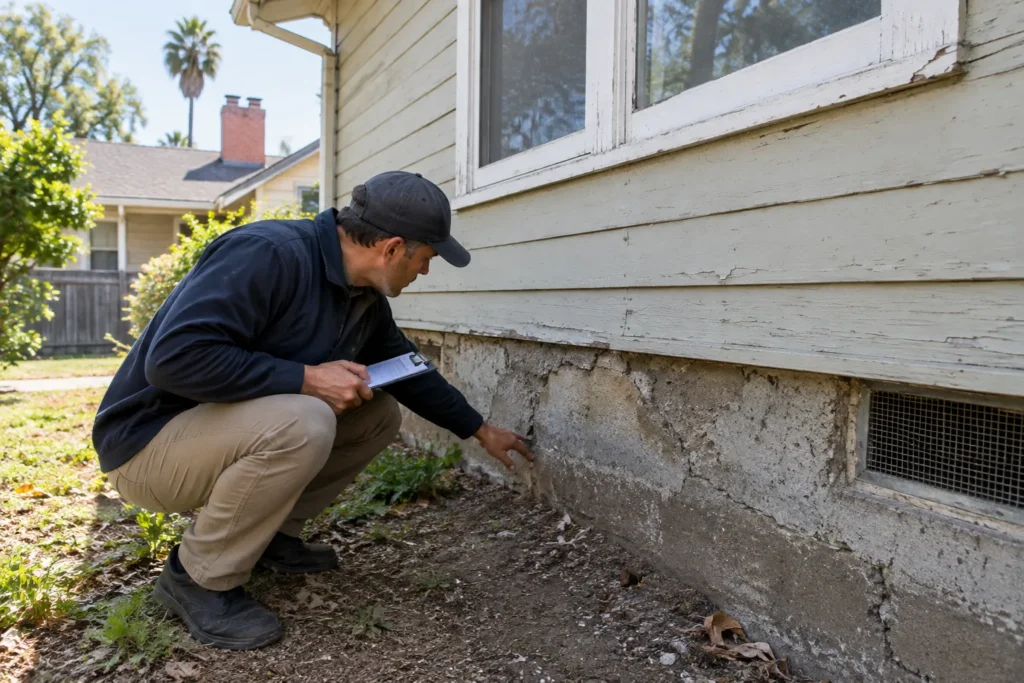
Yes, a lender can refuse to fund a house whose condition falls below its standards, and that one rule removes a large share of buyers from many as-is listings in California.
For FHA loans, the HUD Handbook 4000.1 requires every home to meet HUD’s Minimum Property Requirements, which come down to the house being safe, sound, and secure. When the appraiser flags a problem that fails those standards, the lender has to require the repair, and in most cases it gets done before the loan closes.
Conventional loans draw a similar line. Fannie Mae’s Selling Guide says loans on homes rated C6, its worst condition rating, aren’t eligible for sale to Fannie Mae, and that deficiencies affecting “safety, soundness, or structural integrity” have to be repaired first. When that happens the appraisal comes back subject to repairs, meaning the appraiser values the house as if the work were done and the loan can’t move forward until it is.
That leaves an as-is seller three choices when the appraisal comes back with a repair list. You can make the repairs you listed the house to avoid, lose the buyer and start over, or find a buyer paying cash who doesn’t need a lender’s approval.
Leslie and her sister faced this kind of math after their father passed and left them his Burbank home, which had serious foundation issues, hadn’t been updated in years, and was full of his belongings. Both sisters lived out of state, and their probate attorney looked at how much work the house needed and what a listing would cost in commissions, then referred them to Mrs. Property Solutions. We bought it as-is and closed in 21 days for the exact amount in the original offer. A foundation problem like theirs is the kind of condition that sends a financed buyer’s appraisal straight to subject-to.
The Price Reflects the Repairs, Plus What Buyers Can’t See
An as-is house in California usually sells for less than a comparable updated home, because buyers subtract the repair bill and then add a cushion for the problems they can’t see yet.
How big that discount gets depends almost entirely on the house. A dated kitchen and worn carpet cost a buyer a known amount, and they’ll price it close to what a contractor would charge. A foundation crack or a roof nobody has been on in fifteen years is different, because the buyer can’t be sure what it will cost, and that uncertainty pulls offers down further. When a house can’t pass a lender’s appraisal, many of the buyers left are investors who need room for repairs, holding costs, and profit, and their offers reflect that math.
There’s no reliable single percentage for the as-is discount in California, so the useful comparison is local. Ask your agent for recent sales of nearby homes in similar condition, not the remodeled one down the street.
Commission comes out either way. At the Los Angeles County median of $888,120 in July 2026, reported by the California Association of Realtors, a 5% to 6% commission comes to roughly $44,400 to $53,300, paid from the proceeds at closing whether the house sells updated or as-is.
What the House Costs You While It Waits
Every month an as-is house sits on the market in California costs money, whether or not anyone is living in it.
- The mortgage payment, if there’s still a loan on the house
- Property taxes, which keep accruing whether the house sells this month or next
- Homeowners insurance, plus a call to your insurer to confirm the policy still covers a vacant house
- Utilities, which need to stay on for showings, inspections, and the appraisal
- Yard care, locks, and someone checking on the house if you live out of state
Across California the median time on market was 26 days in July 2026, according to the same C.A.R. report. That figure covers homes in every condition, and a house only cash buyers can close on is competing for a much smaller group, so budget for a longer runway.
Add those monthly costs to the repair discount and the commission, and that total is the number to compare against fixing the house first or selling it another way.
When Listing As-Is on the MLS Is the Right Call

Listing as-is on the MLS is often the right call when the house is livable, a lender would finance it, and you have the time and money to wait for the right buyer.
The MLS puts the house in front of every agent and buyer in the area, and competition is still the best way to find the highest price a house can bring. If the repairs are mostly cosmetic, like paint, flooring, or an older kitchen, a financed buyer can usually close without trouble. In that situation a cash buyer, including us, is probably not your best option, and saying so is part of giving you a straight answer.
The route gets harder when the house has problems a lender won’t accept, when you can’t carry the mortgage, taxes, and insurance for several more months, or when you live out of state and can’t manage showings from a distance. Estates with several heirs struggle here too, because every credit request becomes another conversation between people who may not agree.
If that sounds more like your situation, there are other paths worth weighing. You can compare fixing it up versus selling as-is, see how a direct cash sale works with a buyer like Mrs. Property Solutions, or read our full as-is selling guide for every route side by side.
If You Want a Cash Offer to Compare
If you’ve read this far, you have a clearer picture of what an as-is listing would ask of you, and it’s reasonable to want a second number on the table before you decide.
Mrs. Property Solutions is a mom-and-pop cash home buyer in Los Angeles County, and we buy houses as-is, so you don’t make repairs, you don’t clean out the house, and there’s no agent commission. We’ve bought 150+ homes since 2016, we have 50+ five-star reviews, and the offer we make is the offer we honor at closing. You choose the closing date, and in most transactions we can close in as fast as 14 days.
You can read about how our as-is purchases work or call us at (626) 344-9579. There’s no obligation, and if listing turns out to be the better fit for your house, we’ll tell you that.
Frequently Asked Questions
Do I have to disclose problems if I list my house as-is in California?
Yes. Listing a house as-is does not remove California’s disclosure duty. Civil Code 1102 requires most sellers of single-family residential property to complete a Transfer Disclosure Statement, and any waiver of that requirement is void. Some sales by executors and trustees are exempt from the form, so confirm your situation with a real estate attorney.
Can a buyer ask for repairs on an as-is house in California?
Yes. A buyer can still request repairs or a price credit after inspecting an as-is house. Under the standard California purchase agreement, the buyer has 17 days after acceptance by default to investigate, then can request repairs or cancel. The seller can refuse any request, but the buyer may then walk away.
Can a buyer use an FHA loan on a house listed as-is?
Sometimes. An FHA loan can close on an as-is house only if the home meets HUD’s Minimum Property Requirements for being safe, sound, and secure. If the appraiser flags a problem that fails those standards, the lender requires the repair, and a seller who won’t make it usually loses that buyer.
Should I list an as-is house as cash only?
Only if the house cannot qualify for financing. A cash-only listing screens out buyers whose lenders would reject the house anyway, which can save weeks of failed escrows. On a house that could pass an appraisal, cash-only shrinks the buyer pool for no reason and can lower the offers you receive.
Do I still pay agent commission when I list a house as-is?
Yes. Listing as-is changes the condition of the sale, not the listing agreement with your agent. Commission in California commonly runs 5% to 6% of the sale price. At the Los Angeles County July 2026 median of $888,120, that works out to roughly $44,400 to $53,300, paid from the proceeds at closing.
How long does an as-is house take to sell on the MLS in California?
Condition and price matter more than the label. The median California home spent 26 days on the market in July 2026, according to the California Association of Realtors. An as-is house with problems that block financing can take longer, because fewer buyers are able to close on it.
Do I have to disclose defects if I sell to a cash buyer instead of listing?
Generally yes. California’s disclosure law applies to the sale itself, not to how the buyer pays or whether an agent is involved. A seller who skips the MLS and sells directly to a cash buyer still owes a Transfer Disclosure Statement unless the sale falls under an exemption in Civil Code 1102.2.
Helpful Resources
- Selling a house that needs too many repairs in California
- Selling without a realtor
- Do I Have to Make Repairs Before Selling My Home in California?
- Pros and Cons of Selling As-Is vs Fixing It Up in California
- How Much Does It Cost to Sell a House As-Is in California?