
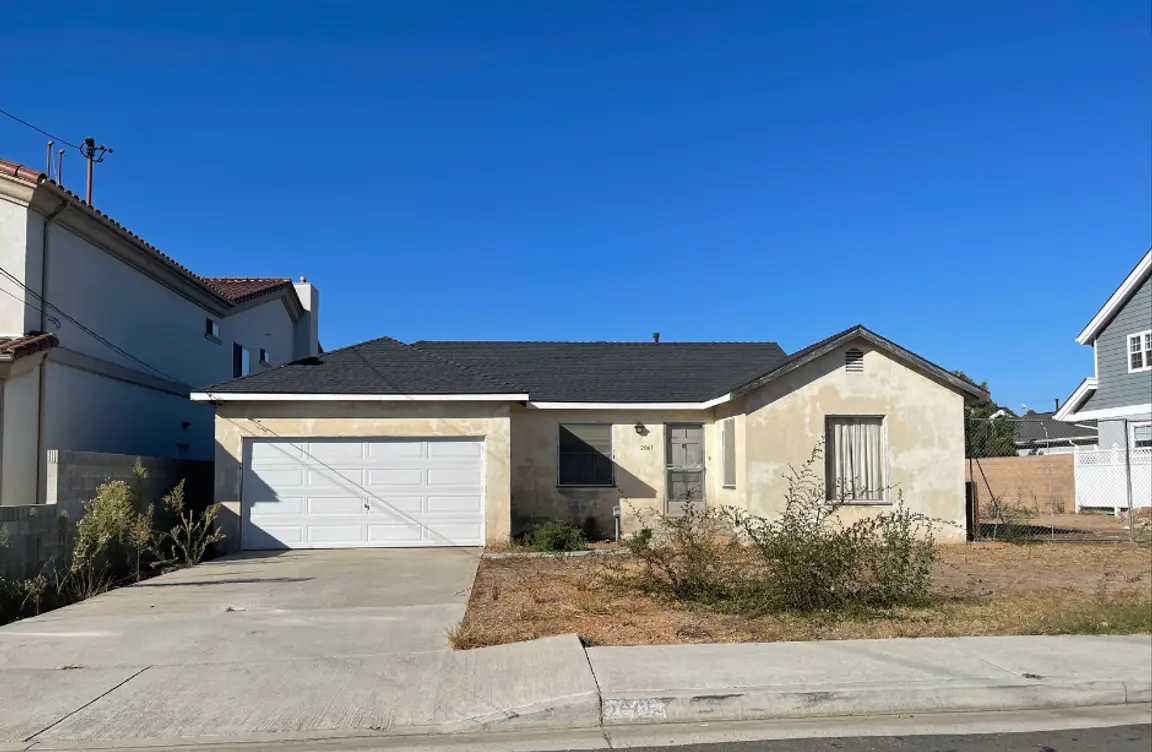
Yes, you can sell a house as-is in California, which means the buyer takes it in its current condition and you make no repairs. What as-is does not do is cancel your duty to disclose. California sellers have to share known problems, usually on a Transfer Disclosure Statement, whether they list with an agent or sell to a cash buyer.
TL;DR
- Selling a house as-is in California means the buyer accepts the property in its current condition and the seller makes no repairs and gives no repair credits.
- An as-is sale does not waive disclosure. California Civil Code section 1102 makes any waiver of the Transfer Disclosure Statement requirements void.
- Most as-is sellers in California handle three disclosures: the Transfer Disclosure Statement, the Natural Hazard Disclosure, and, for homes built before 1978, the federal lead-based paint disclosure.
- A house can be sold as-is two main ways in California: listed on the MLS with an agent, or sold directly to a cash buyer who needs no lender appraisal.
- Selling as-is makes the most sense when repairs cost more than they add, time or money is short, or the house won’t qualify for a buyer’s loan.
Most people who search how to sell a house as-is aren’t looking for a shortcut. They’re looking at a roof that needs replacing, a foundation report they don’t want to read, or a parent’s house that hasn’t been touched since the 1970s, and they’re trying to figure out whether all of it has to be fixed before anyone will buy it.
It doesn’t.
Selling a home in California as-is is legal and common, and houses in every condition change hands this way every year. What trips people up is everything packed into those two words: what as-is protects you from, what it doesn’t, and how much it changes the price. This guide walks through all of it, including the situations where selling as-is is the wrong call.
As-Is Means You Sell the House in Its Current Condition
Selling a house as-is in California means you sell it in its current condition, and the buyer agrees up front that you won’t make repairs or give credits for them. In a typical sale, the inspection is where a second negotiation starts. The buyer’s inspector finds a cracked sewer line or an old electrical panel, and the buyer comes back asking for a repair, a credit, or a lower price. An as-is sale takes that conversation off the table before it begins, because everyone agrees at the start that the price already reflects the condition.
The buyer can still inspect, and depending on the contract they may still be able to walk away during their contingency period, which is the window of days a contract gives the buyer to back out for specific reasons. They’re simply buying the house the way it sits. There’s more on whether repairs are ever required in a separate guide.
Two small items catch as-is sellers off guard. California requires the seller to certify in writing that the water heater is braced or strapped (Health and Safety Code section 19211), and to give the buyer a written statement that the home meets smoke alarm requirements (Health and Safety Code section 13113.8). Both are inexpensive, and both are worth checking before you list.
As-is also does not mean the problems stay private.
California Law Still Requires You to Disclose Known Problems

Of all the California laws for selling a home, the disclosure rules matter most in an as-is sale, because an as-is clause doesn’t change them. The main form is the Transfer Disclosure Statement, usually called the TDS, where the seller checks boxes and writes in what they know about the roof, plumbing, electrical, foundation, water damage, and dozens of other items. Civil Code section 1102 applies the TDS to sales of single-family residential property and states that any waiver of its requirements is “void as against public policy.” In plain English, writing “as-is, no disclosures” into a contract doesn’t make the obligation go away.
The form asks about what you know, not what you’d find if you went looking. You aren’t required to hire an inspector or open up walls. But if you know the roof leaked in 2019 and you patched it, or a bathroom had mold that was cleaned up, that goes on the form even though it’s fixed now. The same part of the Civil Code says its list of items doesn’t limit any other duty to disclose that exists to prevent fraud or misrepresentation (section 1102.8), so a known problem left off the form can still come back on you after closing, as-is clause or not.
Timing matters too. The TDS is supposed to reach the buyer as soon as practicable before title transfers, and when it’s delivered after the buyer’s offer is signed, the buyer gets three days after in-person delivery, or five days after it’s mailed or sent electronically, to cancel (Civil Code section 1102.3). Getting it done early keeps a buyer from walking away in the middle of escrow over something you could have told them on day one. For item-by-item detail, see the full disclosure breakdown.
Which Disclosures Does an As-Is Sale in California Need?
Most as-is sellers in California handle three disclosures, and each one covers something different.
| Disclosure | Who it applies to | What it covers |
| Transfer Disclosure Statement (Civil Code section 1102) | Most sales of single-family residential property | Known defects in the home’s systems, structure, and condition |
| Natural Hazard Disclosure (Civil Code section 1103) | Most residential sales | Whether the property sits in a flood zone, dam inundation area, high or very high fire hazard severity zone, wildland fire area, earthquake fault zone, or seismic hazard zone |
| Lead-based paint disclosure (federal rule) | Homes built before 1978 | Known lead paint or lead hazards, any reports you have, an EPA pamphlet, and a 10-day testing window the buyer can waive |
The Natural Hazard Disclosure is the one that has changed most recently. CAL FIRE’s Office of the State Fire Marshal released updated fire hazard maps for Local Responsibility Areas in four phases between February and March 2025, so a house that wasn’t in a mapped fire hazard zone a few years ago may be in one now. Most sellers order a Natural Hazard Disclosure report through escrow from a third-party provider, and it’s worth reading before you sign so nothing on it surprises you or the buyer.
For a home built before 1978, the federal lead disclosure rule also applies. You disclose any lead paint you know about, hand over any reports you have, give the buyer the EPA’s lead pamphlet, and allow a 10-day window for a lead inspection, which the buyer can waive in writing.
If You’re Selling as an Executor
If you’re selling a parent’s house as the executor or administrator of their estate, we’re sorry you’re handling this on top of everything else, and there’s one difference worth knowing. California Civil Code section 1102.2 exempts probate court ordered sales, and sales by a fiduciary in the course of administering a decedent’s estate, from the TDS requirement. An executor is a fiduciary in that sense, meaning the person legally responsible for managing the estate.
That exemption covers the form, not honesty.
If you know the basement floods, put it in writing anyway. Trustees are treated differently depending on the type of trust, and your attorney can confirm whether the Natural Hazard and lead paint disclosures still apply to your sale. The court side of the process is covered in how probate sales work.
Two Ways to Sell a House As-Is in California

You can sell a house as-is in California by listing it on the MLS with an agent or by selling it directly to a cash buyer, and the right choice depends mostly on the house’s condition and your timeline.
Listing as-is on the MLS puts the house in front of every buyer in the market, including families using loans, and that wider pool is why an as-is listing can bring a higher price. It’s usually the better route when the house is livable and the problems are mostly cosmetic. The catch is financing. A buyer with a loan needs the house to appraise, and the lender’s appraiser notes the property’s condition, so a house with serious problems can lose a financed buyer halfway through escrow. There’s a separate walkthrough on listing as-is on the MLS if that’s the route you’re leaning toward.
Commission is the other cost to plan for. On a Los Angeles County home at the county’s typical value of $873,008 as of August 31, 2026, according to Zillow’s home value index, a 5% to 6% commission comes to $43,650 to $52,380.
Selling directly to a cash buyer skips the lender, so there’s no appraisal contingency and no loan to fall through, and most cash buyers don’t ask for repairs or credits because the work is already priced into the offer. That’s why a direct cash sale often closes in two to four weeks. The trade-off is price, since a cash buyer is taking on the repairs, the holding costs, and the risk. If your house is in the city of Los Angeles, the Los Angeles as-is guide covers selling there specifically.
| Listing as-is on the MLS | Selling to a cash buyer | |
| Who buys | Any buyer, including buyers with loans | Investors and cash buyers |
| Repairs | None required, but buyers may still ask | None |
| Appraisal | Required when the buyer has a loan | Not required |
| Agent commission | Typically 5% to 6% of the sale price | None when you sell directly |
| Showings | Showings and often open houses | Usually one walkthrough |
| Typical timeline | Depends on the market and the buyer’s financing | Often two to four weeks |
| Price | Usually higher for a livable house | Usually lower, reflecting repairs and risk |
How Condition Changes the Price of an As-Is House
Buyers of as-is houses, whether they’re families or investors, start with what the house would sell for fixed up and subtract what it will take to get it there.
For an investor, that subtraction includes the repairs, the months of property taxes, insurance, and loan interest while the work gets done, the cost of reselling, and a profit margin. That’s the plain reason cash offers come in below list prices, and anyone who says a cash buyer will pay what a renovated house sells for, on a house that needs a new foundation, isn’t giving you the whole picture.
Two houses on the same street can get very different offers for this reason. A dated kitchen and old carpet are cosmetic work a buyer can see and price in an afternoon, while foundation movement or a failing sewer line carries unknowns, and buyers price unknowns conservatively. For a line-by-line look at where the money goes, there’s a separate cost guide.
The part sellers worry about most is whether the price will hold after the buyer’s inspection. Leslie and her sister inherited their father’s house in Burbank after he passed, and it came with serious foundation issues, decades of his belongings, and a probate case both sisters were managing from out of state. When Mrs. Property Solutions made the offer, the foundation and every cosmetic issue were priced in before the contract was signed, and the sale closed in 21 days for the exact amount on that original offer.
That’s the thing to look for from any as-is buyer: the condition gets priced before you sign, not renegotiated after an inspector walks through.
Should You Sell Your House As-Is or Fix It First?

You should sell your house as-is when the repairs would cost more than they add to the price, when you don’t have the cash or time to manage them, or when the house won’t qualify for a financed buyer in its current condition. Each of the other paths is the better one for some houses, and it’s worth being honest about which one fits yours.
When fixing it first makes sense
If the house is in decent shape and the work is cosmetic, like paint, flooring, and landscaping, fixing it up and listing it will usually put more money in your pocket than any as-is sale. The same goes if you have six months, some savings, and the patience to manage contractors. In that case a cash sale is probably the wrong move, and you should hear that from someone who buys houses. The trade-offs are laid out in fixing up versus selling as-is.
When listing as-is on the MLS makes sense
A house that’s livable but tired, with an owner who doesn’t want to spend on repairs, is a good fit for an as-is MLS listing with a strong agent. You pay commission and deal with showings, but you get the widest pool of buyers and the best shot at a higher price, and for a lot of houses that trade is worth it.
When a direct cash sale makes sense
A cash sale fits when the house has problems a lender won’t finance, when you live out of state and can’t manage a listing, when the house is full of belongings you can’t face sorting, or when a firm closing date matters more than the last dollar. Mrs. Property Solutions is one of the buyers in this category and so are many others, so compare more than one offer and vet any cash buyer before you sign anything.
When waiting is an option
Holding the house for now is a real choice too, as long as you can cover the property taxes, insurance, and upkeep. A vacant house needs someone checking on it, and many homeowner’s policies treat vacancy differently, so call your insurer if nobody’s living there.
When You’re Ready to Compare Offers
If you’ve read this far, you likely have a house in mind and a rough sense of which path fits it.
Mrs. Property Solutions is a mom-and-pop, female-owned cash home buyer based in Pasadena, and we buy houses across Los Angeles County and Southern California in the condition they’re in. You choose the closing date, you can leave behind anything you don’t want, and what we offer is what you get at closing.
ou can see how we handle houses that need repairs, or call us at (626) 344-9579 for a number to compare against an agent’s estimate.
Since 2016 · 150+ homes purchased · 50+ five-star reviews · Local to LA County · No repairs, no commissions · The offer we make is the offer we honor
There’s no obligation, and if listing is the better move for your house, we’ll tell you that.
Frequently Asked Questions
Can I sell my house as-is in California?
Yes. California law allows you to sell a house in its current condition without making repairs. You still have to disclose known problems, usually on a Transfer Disclosure Statement, and certify smoke alarm and water heater strapping compliance. You can sell as-is by listing on the MLS with an agent or by selling directly to a cash buyer.
Does selling as-is protect me from being sued after closing?
Not if you hid a problem you knew about. An as-is clause stops the buyer from asking for repairs, but California Civil Code section 1102.8 keeps every other duty to disclose in place to prevent fraud or misrepresentation. Disclosing known defects in writing before the buyer’s offer is signed is the best protection an as-is seller has.
Can a buyer renegotiate after inspection on an as-is sale?
A buyer can still ask, and depending on the contract, may be able to cancel during the inspection or contingency period. As-is language only means you won’t make repairs. Before signing, ask any buyer how long the inspection period lasts, whether they can cancel during it, and when their earnest money deposit becomes non-refundable.
How long does it take to sell a house as-is in California?
A direct sale to a cash buyer often closes in two to four weeks because there’s no lender, appraisal, or loan approval to wait on. An as-is MLS listing usually takes longer, since the house has to find a buyer and that buyer’s financing has to hold through escrow. Title issues and local market conditions affect both timelines.
Do I need a real estate agent to sell a house as-is?
No. California doesn’t require an agent to sell a home, and many as-is sellers sell directly to a cash buyer without one. An agent helps most when you’re listing on the MLS and want the widest pool of buyers. Without an agent, use an escrow company, and have a real estate attorney review anything complicated.
Do I have to fill out a TDS if I’m selling as an executor?
Usually not. California Civil Code section 1102.2 exempts probate court ordered sales and sales by a fiduciary administering a decedent’s estate from the Transfer Disclosure Statement. The exemption covers the form only. You still shouldn’t hide known problems, and your probate attorney can confirm which other disclosures apply to your sale.
Will a cash buyer pay less for a house sold as-is?
Yes, in most cases. A cash buyer subtracts repair costs, holding costs, resale costs, and a profit margin from what the house would sell for fixed up. In return you skip commission, repairs, and showings. Comparing two or three offers against your own repair estimates shows whether that trade is worth it for your house.