
Yes, you can sell a house as-is anywhere in Los Angeles County. As-is means you make no repairs and the buyer takes the house in its current condition. California still requires you to disclose the problems you know about, and inside the City of Los Angeles you also owe the buyer a City property report before closing.
The short version
- Selling a house as-is in Los Angeles means the seller makes no repairs and the buyer accepts the current condition, but California law still requires the seller to disclose known defects.
- Sellers inside the City of Los Angeles must give the buyer a Residential Property Report from LADBS and pay a city transfer tax of $4.50 per $1,000 on top of the county’s $1.10 per $1,000.
- As-is buyers price a house by starting with its fixed-up value and subtracting repairs, holding costs, and profit, so a longer repair list means a lower offer.
- Houses with major damage often can’t qualify for a buyer’s mortgage, which narrows the buyer pool to cash buyers and investors.
- Listing with an agent usually nets more when a house needs only cosmetic work and the seller has several months, while a cash sale fits when repairs, time, or distance make listing hard.
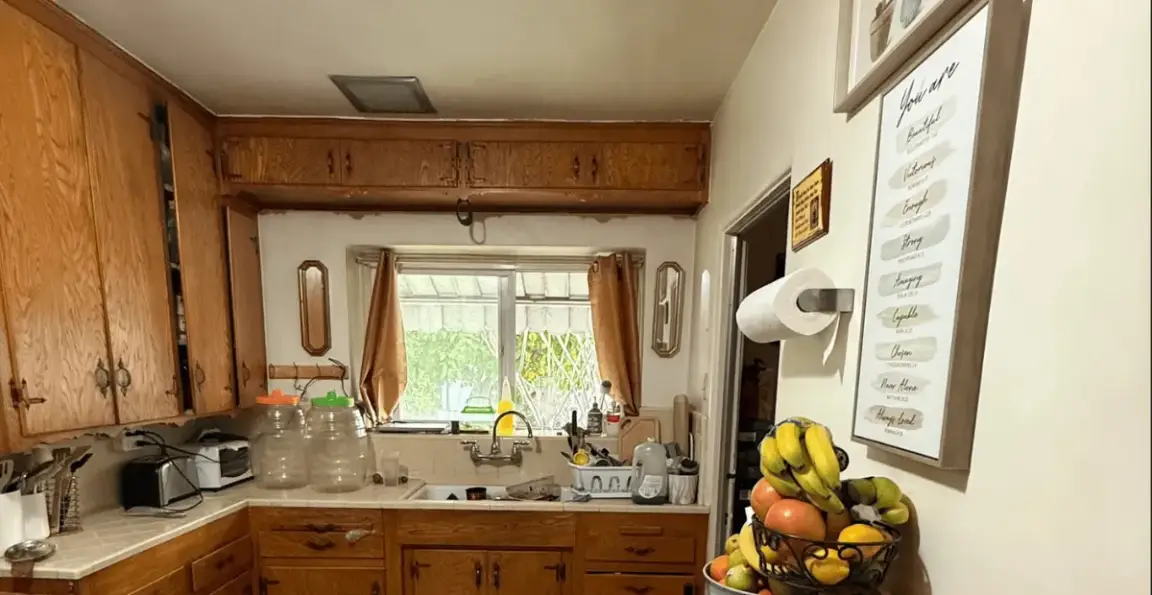
Almost every seller we talk to asks the same question in the first five minutes, which is what they need to fix before they can sell. In Los Angeles the answer is usually nothing. You can legally sell a house with a cracked foundation, a roof that leaks, a garage full of someone else’s belongings, or a kitchen that hasn’t changed since 1984, and you never have to pick up a hammer.
The harder part is knowing what that choice costs you and who you’re selling to. After ten years of buying houses across LA County, most of the trouble we see comes from sellers who didn’t know what they were still responsible for, or who trusted a buyer who changed the deal at the last minute.
And if you’re dealing with this because someone you love passed away, we’re so sorry. The house shouldn’t have to be one more heavy thing on your plate.
Can you sell a house as-is in Los Angeles County?
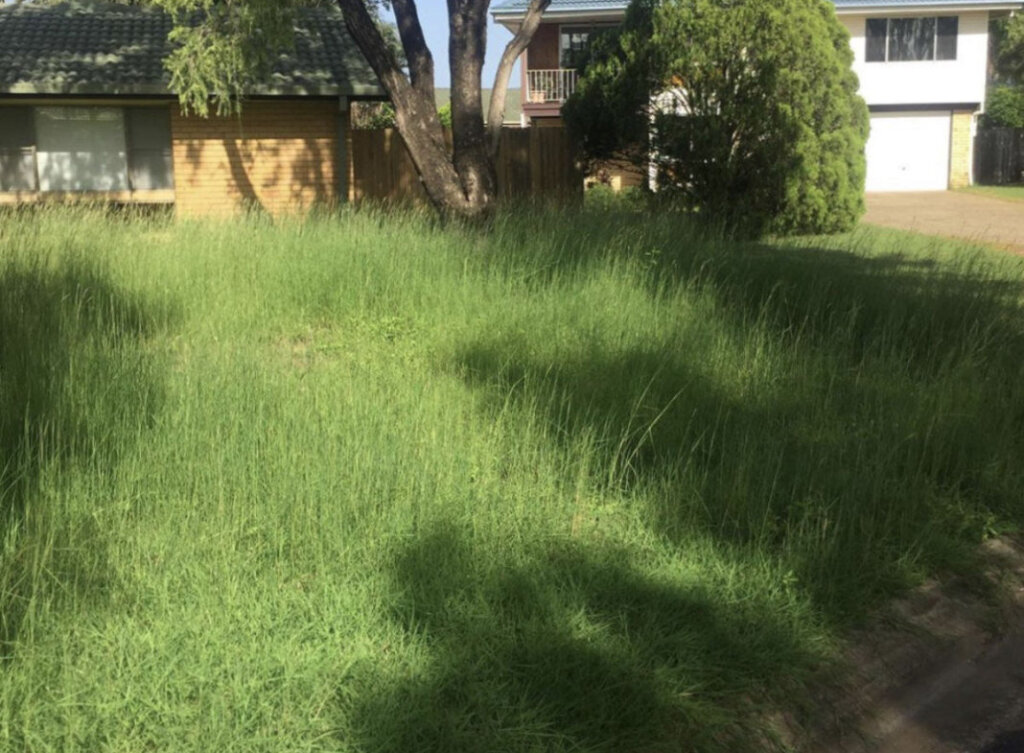
Yes. Any homeowner in Los Angeles County can sell a house as-is, whether it’s a 1950s bungalow in Downey or a duplex in Boyle Heights. Selling as-is means the house goes up for sale in its current condition and the seller doesn’t agree to make repairs, pay for repairs, or give the buyer a repair credit. The buyer inspects the house, decides what it’s worth to them in that condition, and either makes an offer or walks away.
Most people who sell as-is in LA are facing a repair bill they can’t front, an inherited house they’re managing from out of state, fire or water damage, or a move that can’t wait for contractors.
Joe’s parents left him their North Hollywood house, untouched since 1984, down to the avocado green countertops and shag carpet. He lived more than an hour away in Ventura County with his own job and family, so fixing it up meant months of driving back and forth to manage contractors. He sold it as-is and put the money toward his kids’ college fund.
What do you still have to disclose when you sell as-is in California?
You still have to disclose every problem you know about. California requires sellers of one-to-four unit homes to give buyers a Real Estate Transfer Disclosure Statement, known as the TDS, and the Legislature has stated that this requirement can’t be waived in an as-is sale (California Civil Code section 1102.1). On the TDS, the seller marks what they know about the roof, plumbing, foundation, additions, and water damage.
As-is covers repairs and nothing more. If you know the back bedroom was added without a permit or the shower leaks into the subfloor, it goes on the form. Leaving a known problem off exposes you to claims after closing, so when you’re unsure whether something counts, disclose it. Our guide to disclosure requirements when selling as-is walks through the form line by line.
Heirs should know about one exception. A sale made by a fiduciary, such as an executor administering a decedent’s estate or a trustee administering a trust, is exempt from the TDS form under Civil Code section 1102.2. That exemption covers the form itself, so ask your probate attorney what you still need to tell a buyer about the house.
What does the City of Los Angeles require before you sell a house?

A seller whose house is inside the City of Los Angeles has to order a Residential Property Report, still often called a 9A report, from the Los Angeles Department of Building and Safety and deliver it to the buyer before the sale closes. The requirement comes from Los Angeles Municipal Code section 96.300, and it’s the first item on the LADBS list of requirements when selling. The report covers the City’s building records for the property and any pending special assessment liens, which is one reason unpermitted work so often comes up during an LA sale.
This catches families off guard, because Boyle Heights, North Hollywood, Van Nuys, and Woodland Hills are all inside city limits, while Burbank, Glendale, Pasadena, Downey, and Long Beach are separate cities with their own rules.
City of Los Angeles sales also carry an extra transfer tax. Every sale in Los Angeles County pays the county documentary transfer tax of $1.10 per $1,000 of the price, according to the LA County Registrar-Recorder, and inside the City of Los Angeles the city adds $4.50 per $1,000 on top of that. On an $849,000 sale, that’s $933.90 to the county anywhere in LA County, plus another $3,820.50 if the house sits inside Los Angeles city limits. Who pays these taxes comes down to what your purchase contract says.
Measure ULA, the city’s so-called mansion tax, rarely touches the families reading this. For sales closing after June 30, 2026, it applies only to City of Los Angeles sales above $5,400,000, according to the City’s Office of Finance.
Who buys as-is houses in Los Angeles?
Three kinds of buyers purchase as-is houses in Los Angeles: regular homebuyers using a mortgage, investors who plan to renovate and resell, and cash buyers who buy directly from the owner. The condition of the house decides which of them can realistically close.
A homebuyer with a loan often has the most money to spend and the most rules to follow. The lender orders an appraisal, an independent estimate of the home’s value, and has to accept the home’s condition before it funds. Serious problems like an unsafe roof, active leaks, or fire damage can stop a loan even when the buyer loves the house.
Denise ran into this with her Boyle Heights duplex. One unit was badly damaged in a fire, and no bank would finance a buyer’s purchase in that condition. She was still paying the mortgage on a property she couldn’t live in, so speed mattered as much as price. Mrs. Property Solutions made her a cash offer and closed in 12 days, and she never had to clean up or repair the fire damage.
Investors and cash buyers pay without a lender, so the home’s condition doesn’t block the sale. In exchange, they build the repair work and their own risk into the price.
How much less is a house worth when you sell it as-is?
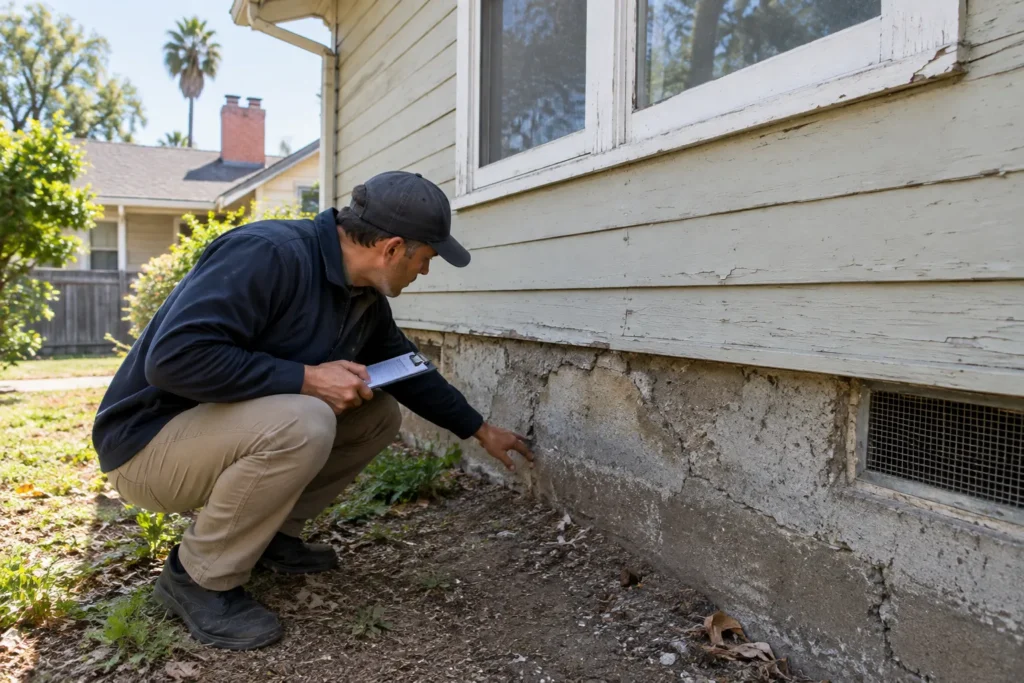
An as-is house sells for its fixed-up value minus what it will take to get it there. Buyers start with the after-repair value, or ARV, which is what the house would sell for once it’s renovated. Then they subtract the repair and cleanout costs, the property taxes and insurance they’ll carry while the work gets done, and a profit margin for the risk. A longer repair list means a lower number, and a surprise found late in the process gives a buyer an opening to ask for less.
That late surprise is where sellers get hurt most. The number that matters is the one a buyer still stands behind at closing, and a buyer can only stand behind a price if the problems were priced fairly from the start.
Leslie and her sister saw how that works when they inherited their father’s Burbank house in 2024. He didn’t have a trust, so the house went through probate while both sisters lived out of state. It had serious foundation problems and was still full of their dad’s belongings. Mrs. Property Solutions walked the house, built the foundation work and full cleanout into the offer from day one, and worked directly with the family’s probate attorney. The offer was $849,000, the sale closed in 21 days, and the check Leslie received matched the offer to the dollar, because the foundation was already part of the price.
Before you talk to any buyer, get a feel for your own as-is value:
- Look at comparable sales, or comps, meaning nearby homes that sold in the last 90 days in similar condition. Filter Zillow or Redfin for sold homes and skip active listings.
- Get one repair bid from a licensed contractor for the big items like the roof or foundation, so you can check a buyer’s math.
- Ask every buyer to show you how they got to their number. A buyer who can walk you through their ARV and repair estimate is far easier to trust than one who just names a price.
What does it cost to sell a house in Los Angeles?
Selling a house in Los Angeles usually means paying real estate commission, transfer taxes, escrow and title fees, and whatever the house needs to be ready for the market. Commission is the biggest line item. At the typical 5% to 6%, an $849,000 sale pays $42,450 to $50,940 in commission before the seller sees a dollar.
Then come the costs of getting the house ready to list, including lender-required repairs, clearing out the contents, staging, and the taxes, insurance, and utilities for every month it sits.
Selling directly to a cash buyer removes the commission and usually the prep work, and some cash buyers also pay the standard closing costs. The trade is the price, since the buyer’s offer already accounts for the repairs they’ll be doing. The fair comparison is what you’d walk away with from each option after every cost, which the pros and cons of selling as-is versus fixing it up guide walks through.
What are your options for selling an as-is house in Los Angeles?
You have five realistic options for a house that needs work, and each one fits a different situation.
1. Fix it up and list it with an agent
This usually brings the highest sale price. You front the repairs, manage contractors, pay commission, and wait through the market time plus a financed buyer’s escrow. It works best when repairs are manageable, you have the cash, and you aren’t on a deadline.
2. List it as-is on the MLS
An agent markets the house as-is to investors and some homebuyers, and you skip the repairs. You still pay commission and host showings, and financed buyers can fall out of escrow if a lender won’t accept the condition. Our guide on what happens when you list a house as-is on the MLS covers the details, and if a listing has already stalled, these steps to take when your house isn’t selling can help.
3. Sell to an iBuyer
iBuyers are companies that make instant online offers based on data about your home. They move quickly, but not all of them buy houses that need major repairs, so check each company’s criteria for your ZIP code and condition first.
4. Sell to a local cash buyer
A cash buyer purchases the house directly, with no lender, no commission, and usually no repairs or cleanout required from you. The price will be lower than a fixed-up listing, and the quality of cash buyers varies a lot, so vet any buyer carefully before you sign. Mrs. Property Solutions is one of these buyers in LA County, and our page on selling a house that needs too many repairs explains how that process works.
Dominic tried listing first. His house sat with an agent for more than four months, and two escrows fell through before he reached out to us. We made him an offer that same day and closed within about two and a half weeks of that first conversation. The listing wasn’t a mistake, but the house needed a buyer who didn’t depend on a lender’s approval.
5. Keep the house or wait
If the house is paid off, the taxes are manageable, and nobody needs the money, waiting can make sense. Waiting still costs something, though, because taxes, insurance, and upkeep keep coming, and a vacant house in LA carries break-in and squatter risk.
| Option | Repairs needed | Commission | Speed | Best fit |
| Fix and list | Yes, you pay | 5% to 6% | Slowest | Manageable repairs, cash on hand, no deadline |
| List as-is on the MLS | No | 5% to 6% | Months | Moderate repairs a lender can live with |
| iBuyer | Depends on company | Service fee instead | Weeks | Newer homes needing light work |
| Local cash buyer | No | None | As fast as 2 to 3 weeks | Major repairs, inherited homes, tight timelines |
| Keep or wait | Ongoing upkeep | None | Not applicable | Paid-off home with no money pressure |
A cash sale is the wrong choice when your house needs mostly paint, carpet, and a deep clean and you have three to six months. In that case, listing it with a good agent will very likely put more money in your pocket. A cash buyer makes the most sense when the repairs are serious, the timeline is short, you live far away, or you simply can’t take on the project.
How do you protect yourself when you sell a house as-is?

You protect yourself in an as-is sale by getting the key terms in writing and testing whether the buyer can close. Most painful stories in this industry come from buyers who lock up a house at a high price and lower it right before closing.
- Ask for proof of funds or a clear explanation of how the purchase will be paid for, and check the buyer’s reviews.
- Understand the inspection period, which is the window after signing when a buyer can still cancel, and the earnest money deposit, or EMD, the buyer’s good-faith deposit held in escrow. A short inspection period and a clear EMD date are good signs.
- Get the price, the closing date, and who pays closing costs written into the contract. A buyer who tries to lower the price after the inspection period ends, with nothing new discovered, is showing you how the rest of the deal will go.
Escrow, a neutral third party, holds the money and documents until every term is met, so you never hand over the deed before you’re paid. For more, read how to protect yourself when selling to a cash buyer, and for rules that apply statewide, see our guide to selling a house as-is anywhere in California.
Selling your Los Angeles house as-is with Mrs. Property Solutions
If you’ve read this far, you probably have a house that needs more than you want to put into it, and a lot else going on in your life at the same time.
Mrs. Property Solutions buys houses across Los Angeles County directly from the owner, in whatever condition they’re in. We walk the house, price the repairs and cleanout into the offer from the start, and you choose the closing date. You can leave behind anything you don’t want to take, and we handle the rest after closing.
Since 2016 · 150+ homes purchased · 50+ five-star reviews · Local to LA County · No repairs, no commissions · The offer we make is the offer we honor
Call or text us at 626-344-9579, or request your as-is offer online. You can also see how we help homeowners sell your house in Los Angeles.
Getting an offer is free and there’s no obligation to accept it, and if you decide to go another way, we won’t keep calling.
Frequently Asked Questions About Selling a House As-Is in Los Angeles
Can I sell my house as-is in Los Angeles if it has code violations or unpermitted work?
Yes. Open code cases and unpermitted additions don’t stop an as-is sale in Los Angeles County, but they have to be disclosed and they lower the price, because the buyer takes on the fix. Inside the City of Los Angeles, the required Residential Property Report covers the City’s building records for the property.
How long does it take to sell a house as-is in Los Angeles?
A cash sale of an as-is house in Los Angeles County can close in as little as 14 days, and two to four weeks is common. Listing the house adds the time it sits on the market plus a financed buyer’s escrow, and buyers who need a loan can fall out if the house won’t qualify.
Do I have to clean out the house before selling it as-is?
No, not if the buyer agrees to take the contents. Many cash buyers let sellers leave furniture, belongings, and trash behind and handle the cleanout after closing. Get that agreement written into the contract, and take anything sentimental or valuable out before closing, since the buyer owns everything left once the sale records.
Is a cash buyer’s as-is offer always a lowball?
No. A fair as-is offer starts from what the house would sell for fixed up, then subtracts repairs, holding costs, and the buyer’s profit. Ask every buyer to walk you through those numbers. A buyer who can’t explain the math, or who lowers the price later with nothing new discovered, is the one to worry about.
Do I pay commission or closing costs when I sell as-is to a cash buyer?
Commission, no. Selling directly to a cash buyer involves no real estate agent, so there’s no 5% to 6% commission. Closing costs depend on the contract. Mrs. Property Solutions pays standard closing costs in most transactions and discloses any exception before signing, and any buyer should put who pays in writing.
Can I sell an inherited house as-is while it’s still in probate?
Often, yes. An executor or administrator can sell a house during probate, and whether the sale needs a court hearing depends on the powers the court granted. Sales made while administering an estate are also exempt from the Transfer Disclosure Statement form. Your probate attorney can confirm what your case allows.
Can a buyer lower the price after the inspection on an as-is sale?
Yes, during the inspection period, and you can say no. After the inspection period ends and the earnest money deposit is due, a trustworthy buyer doesn’t reopen the price. Mrs. Property Solutions has never changed a seller’s price after the EMD across 150+ homes, and that’s the standard to hold any buyer to.
Helpful Resources
- Selling without a realtor
- Who Pays for the Closing Costs When Selling a House in Los Angeles?
- What to Do if the Buyer’s Mortgage Falls Through on Closing Day
- What Happens if Your House Doesn’t Appraise in California?
- What to Do If the Buyer Backs Out of Escrow in California