

The costliest probate sale mistakes in California are procedural, not emotional: selling without confirming full or limited authority, skipping the required Notice of Proposed Action, and pricing the home before the probate referee’s appraisal is in hand. Each one can add months to a sale that was otherwise ready to close.
TLDR
- Confirm whether the personal representative has full or limited authority before listing. It changes whether court confirmation is required at all.
- A probate referee’s appraisal, not a Zillow estimate, is what sets the defensible price and the statutory fee base.
- Skipping the Notice of Proposed Action, even under full authority, is the single most common reason a ready-to-close sale stalls.
- A vacant probate house is a liability the estate pays for every month it sits unwatched.
- Waiting to sell until probate fully closes usually costs more in carrying costs than it protects.
Most of the mistakes on this list have nothing to do with grief or hesitation. They’re procedural. A family does everything right emotionally, holds the house, keeps the peace between siblings, and then loses two months because nobody checked a box the court needed checked.
That’s the frustrating part. These are avoidable, and most families don’t find out they made one until it’s already cost them time.
Do You Even Know Your Authority Yet?

Full or limited authority determines the entire sale process, and it’s printed on a document the personal representative already has.
Under California’s Independent Administration of Estates Act, the court grants either full or limited authority when it issues Letters Testamentary or Letters of Administration. Look for the box checked “with full authority” versus “with limited authority” on that document. With full authority, the sale can proceed without a separate court confirmation hearing, according to the Santa Clara County probate self-help guide. With limited authority, the sale still needs court confirmation, and that means a formal hearing where a buyer can be outbid in the courtroom.
Most California probate petitions ask for full authority, and courts usually grant it unless an heir objects or the will restricts it. Even with full authority, though, the personal representative still has to give proper notice and follow the sale procedures in Probate Code Sections 10500 through 10503.
Skip this check and a family can end up marketing a house, accepting an offer, and only then learning the sale needs a courtroom hearing they didn’t plan for.
Selling Before the Probate Referee’s Appraisal Is In Hand
A Zillow estimate is not what the court uses to evaluate whether a sale price is fair.
California requires a court-appointed probate referee to appraise most estate real property under Probate Code Section 8900. That appraisal sets the inventory value the court and any objecting heir will measure the sale price against, and it’s also the base the referee’s own commission is calculated on. The referee’s fee runs one-tenth of one percent of the appraised value, with a $75 minimum and a $10,000 cap absent a court order otherwise.
Listing and pricing a house before this appraisal exists is a common mistake, and it’s an expensive one. If the accepted offer comes in well under the referee’s number, an heir can object, the sale can be delayed for a new round of marketing, and the paperwork has to be refiled. Getting the referee’s appraisal early, even informally through the executor’s attorney, gives everyone a number to price against instead of guessing.
Skipping the Notice of Proposed Action
Full authority does not mean no notice. It means less court involvement, not none.
Even under full authority, selling estate real property generally requires a Notice of Proposed Action under Probate Code Sections 10580 through 10592, sent to everyone entitled to notice at least 15 days before the sale closes. Heirs then have a window to object. Skip this step, and a technically valid sale can still get challenged after the fact by an heir who says they were never told.
This is one of the easiest mistakes to make because it feels like paperwork nobody’s watching. It’s also one of the easiest to avoid. The personal representative’s attorney typically prepares and sends the notice as a matter of course, so the mistake usually happens when a family tries to handle the sale without one.
Letting the House Sit Vacant
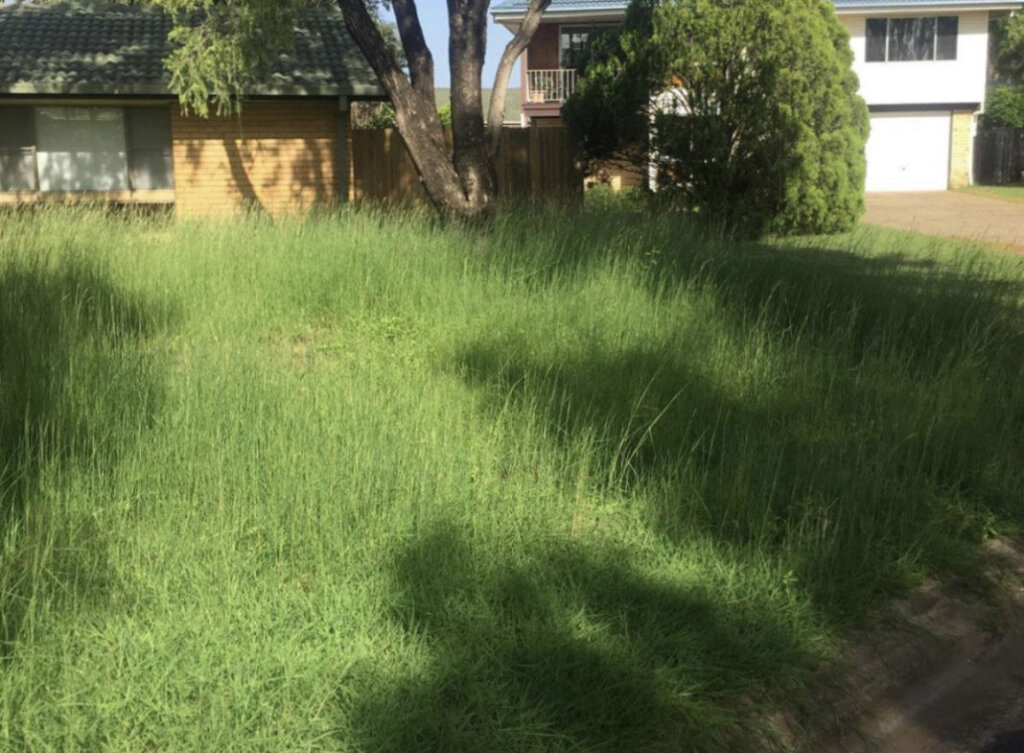
An empty probate house costs the estate money every month, and most families don’t realize how fast that adds up.
Vacant homes draw trespassers, deferred maintenance goes unnoticed, and insurance can get complicated if a carrier finds out the house has been unoccupied for an extended stretch without the policy reflecting it. None of that shows up in the will. It shows up in the final number that gets distributed to heirs.
A few things keep the estate protected while the sale works its way through the process:
- Keep utilities on so the house can be shown and inspected.
- Check on the property in person or through a hired property manager, not just a phone call to a neighbor.
- Tell local law enforcement the house is vacant so it gets included in patrol checks.
- Confirm the homeowner’s insurance policy covers a vacant dwelling, since many standard policies limit or exclude vacancy after 30 to 60 days.
Letting Heir Disagreements Freeze the Sale
Disagreement between heirs is common. Letting it stall the sale indefinitely is the mistake.
California law lets a personal representative petition the court to approve a sale even when not every heir agrees, and if ownership ends up split after probate closes, any co-owner can eventually force a sale through a partition action. Both routes work. Both also cost more in time and legal fees than resolving the disagreement early.
Waiting for unanimous agreement before doing anything usually isn’t necessary and often isn’t realistic. What helps more is naming the disagreement out loud early, in writing, and bringing in a mediator before anyone files anything with the court. For a deeper look at what happens when heirs can’t agree at all, see the companion post on selling without all heirs on board.
Pricing the House Off What the Family Hopes It’s Worth

Overpricing a probate house to “protect the estate” almost always does the opposite.
An inflated asking price sits unsold while carrying costs accumulate, and buyers who track days on market start to assume something is wrong with the house. By the time the price gets corrected, the home has usually lost the early-listing attention that draws the strongest offers.
Buyers researching probate listings also tend to expect a slower closing timeline already, so an unrealistically high price on top of that just narrows the buyer pool further.
The probate referee’s appraisal, current comparable sales, and a second opinion from someone who specializes in probate or distressed property give a family a number that holds up, instead of one built on what the house was worth in memory rather than in the current market.
Not Accounting for What the Estate Still Owes
Every debt tied to the property has to be identified before a sale closes clean, and some of them aren’t obvious.
That includes the mortgage balance, property taxes, and any recorded liens, all of which are typically paid out of escrow at closing rather than by the heirs directly. What surprises more families is the California Department of Health Care Services’ Medi-Cal Estate Recovery Program, which can place a claim against a deceased person’s estate for certain medical costs the state paid on their behalf.
Confirming whether that applies is its own process with its own timeline, and it belongs to its own conversation, not a footnote here. If Medi-Cal is part of the estate’s history, that’s worth a call to DHCS directly before the sale closes, not after.
Not Disclosing What You Know About the House’s Condition
As-is doesn’t mean disclosure-free.
California still requires sellers, including an estate, to disclose known material defects such as foundation issues, roof problems, or unpermitted work, even when the house is being sold in as-is condition. What changes in a probate sale isn’t the disclosure requirement.
It’s that the personal representative may not know the house’s full history the way the person who lived there did, and that gap is itself worth stating plainly on the disclosure rather than guessing.
Skipping known issues to keep the sale moving is the mistake, not the as-is sale itself. A buyer who later discovers an undisclosed, known defect has legal grounds to come back at the estate, sometimes well after the money has already been distributed to heirs.
Choosing a Buyer Who Can’t Close

Not every buyer who makes an offer on a probate house can get to closing.
Financed buyers depend on a lender, and probate title work, court timelines, or an incomplete inventory can spook an underwriter enough to walk away mid-escrow. When that happens, the house goes back on the market, the referee’s appraisal may need updating if enough time has passed, and the family is back where it started, only later.
A buyer purchasing with cash and no financing contingency removes that specific risk, though it’s worth asking directly how they’ve handled probate title work before, since not every cash buyer has.
Not Tracking Court Notices and Deadlines
Every notice requirement is a hard deadline, not a suggestion.
Filing the Notice of Proposed Action, giving heirs their objection window, and scheduling a confirmation hearing when one is required all run on fixed timelines set by the Probate Code.
Missing one doesn’t just delay that one step. It can push the entire sale back to the start of that step, sometimes by months, because notice periods generally can’t be shortened after the fact. Working with an attorney familiar with the local probate court’s calendar is what keeps these deadlines from becoming the reason a sale stalls.
Ignoring the Tax Math Until After the Sale

Inherited property usually gets a stepped-up basis to the value on the date of death, which is the single most useful tax fact for most families selling a probate house.
It also means capital gains are calculated on the gain since that date, not since the original purchase decades earlier, so the number is often smaller than families fear. It is not automatically zero. See the IRS’s guidance on capital gains for how the calculation works.
If a parent’s home was worth $600,000 on the date of death and the estate sells it for $620,000, the taxable gain is generally the $20,000 difference, not the full sale price. A CPA or tax professional can confirm the actual basis and walk through what, if anything, is owed before the sale closes rather than after, when there’s less room to plan around it.
Your Options
Selling isn’t the only path through probate, and whether to sell at all is a bigger decision than any one mistake on this list. If that’s the question, the full guide to selling a house in probate in California walks through the sell-versus-hold decision directly.
Reading all of this probably tells you what selling a probate house in California involves: attention to authority, notice, appraisal timing, and disclosure, on top of everything else the estate already has going on.
Mrs. Property Solutions buys probate properties throughout Southern California as-is, without listing, showings, or repairs. The company has purchased 150+ homes since 2016 and has earned 50+ five-star reviews from families navigating exactly this kind of sale, and the offer made is the offer honored through closing.
If the house needs to sell and the family would rather not manage a listing through probate court timelines, get a cash offer or call (626) 344-9579 to talk through where things stand. There’s no obligation to move forward.
Frequently Asked Questions
Can I sell a probate house before the court confirms the sale?
Yes, if the personal representative has full authority under California’s Independent Administration of Estates Act. Full authority allows a sale to close without a separate confirmation hearing, as long as proper notice is given. Limited authority requires that hearing before the sale is final. Check the Letters Testamentary or Letters of Administration to confirm which one applies.
Do I need a probate referee’s appraisal before I can list the house?
Not legally, but it’s strongly advisable. California requires a probate referee to appraise most estate real property, and that number is what a court or objecting heir will measure the eventual sale price against. Pricing and marketing before the appraisal exists risks a sale price that doesn’t hold up to challenge.
What happens if I skip the Notice of Proposed Action?
The sale can still close, but it becomes vulnerable to challenge afterward by an heir who wasn’t properly notified. The notice gives interested parties at least 15 days to object before the sale is finalized. Skipping it doesn’t stop the sale, but it removes the legal protection the notice is meant to provide.
Is a cash offer on a probate house a lowball?
Not inherently. A cash offer reflects speed, certainty, and no financing contingency, which has real value in a probate sale where a financed buyer’s loan can fall through over title or timeline issues. Compare any offer against the probate referee’s appraisal, repair costs, and carrying costs, not against an online estimate.
Can I sell the house if I have full authority, or do I still need to notify anyone?
Full authority removes the court confirmation hearing, not the notice requirement. A Notice of Proposed Action generally still has to go to everyone entitled to notice, with time built in for objections, before the sale closes. Full authority makes the process faster, not silent.
What if the estate can’t afford repairs before selling?
Selling as-is is legal and common in probate, but known defects still have to be disclosed regardless of condition. An investor or cash buyer who purchases as-is can remove the repair question from the family’s plate, though the disclosure obligation for known issues stays with the seller either way.
How do I find out if there are liens or debts against the property?
The personal representative is responsible for identifying outstanding debts, including the mortgage, property taxes, and any recorded liens, generally through a title search and the estate’s own records. Most of these get paid directly from escrow at closing, but they have to be identified first so the payoff can be calculated correctly.
Do I have to wait until probate closes to sell the house?
No. Selling during probate is common and often the more financially sound choice, since carrying costs like taxes, insurance, and utilities keep accumulating the longer the house sits unsold. Selling early can also free up funds to help cover attorney’s fees and other estate obligations sooner.
Disclaimer: This article explains how selling a probate house generally works in California. It isn’t legal or tax advice, and rules vary by county and by the specific facts of an estate. Talk to a probate attorney about authority and notice requirements, and a CPA about the tax specifics of your situation.
Helpful Resources
- Selling a house in probate California: 2026 guide
- Inherited a house in California
- What Happens if a House Goes into Probate Without a Will in California?
- How Long Does Probate Take in California (And Can You Speed It Up)?
- How Much Does Probate Cost in California?