
Selling a home that’s damaged, unsafe, or in need of significant repairs can be overwhelming — especially in California’s unique real estate market. Between disclosure rules, legal obligations, pricing strategies, safety concerns, and buyer expectations, it’s easy to feel stuck. This guide breaks it all down and gives you a clear roadmap for selling your home in 2025 — even if it’s far from perfect.
Whether you’re dealing with water damage, structural issues, or a home that’s considered unsafe to live in, here’s exactly what California sellers need to know to sell legally, strategically, and with confidence.
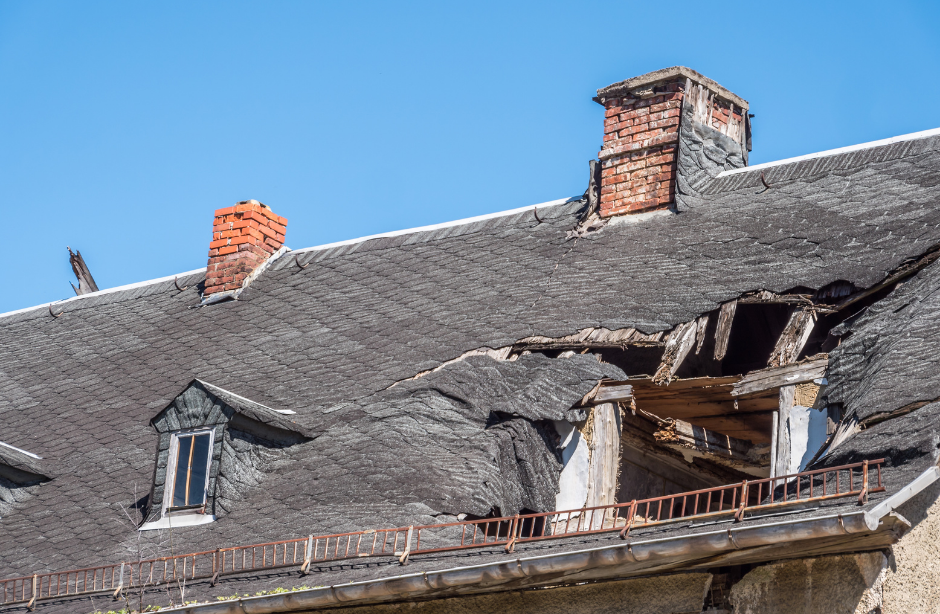
What It Means to Sell a Damaged or Unsafe Home in California
In California, you can sell your home in its current condition — even if it’s damaged or unsafe — but there’s a catch: selling “as-is” doesn’t let you hide problems or skip legal disclosure requirements. That means you still must be honest and transparent about known issues that materially affect the value or safety of your property.
A home might be considered damaged or unsafe if it has:
- Foundation or structural problems
- Roof leaks, water damage, mold
- Electrical or plumbing hazards
- Code violations or unpermitted work
- Damage from fire, storms, or earthquakes
- Environmental hazards (lead paint, asbestos, etc.)
- Other issues that impact livability or safety
Selling in this state doesn’t automatically disqualify your home from the market — but it does affect your disclosures, pricing, and buyer pool.
California Disclosure Laws: What You MUST Share
One of the biggest legal requirements for selling a damaged or unsafe home in California is disclosure. Even if you sell as-is, you still must disclose all known issues. You can not legally hide them.
1. Transfer Disclosure Statement (TDS)
This is the primary disclosure form required in every residential home sale in California. You must list all known defects — including structural damage, leaks, safety hazards, and more.
The official TDS requirements are outlined by the California Civil Code §1102.
2. Natural Hazard Disclosure Statement
If your property is in a hazard zone (e.g., flood, fire, earthquake), you must disclose this on a standardized form.
3. Code Violations & Unpermitted Work
If your home has building code violations or work done without permits, you must disclose it. Hidden or undisclosed violations can quickly lead to legal trouble.
4. Other Required Disclosures
Depending on age and condition, additional disclosures may include:
- Lead paint (for homes built before 1978)
- Environmental hazards
- Neighborhood nuisances
- HOA information
Failure to disclose known defects — even in an as-is sale — can expose you to lawsuits, financial penalties, and rescission of the sale.
Selling “As-Is”: What California Law Actually Says
A lot of homeowners think that selling as-is means they don’t have to disclose anything or fix problems. That’s not true in California.
Here’s the reality:
💡 “As-Is” Does NOT Waive Disclosure
An as-is sale means the buyer agrees to take the property in its current condition — but you still must disclose all known material facts about the property’s condition.
💡 You’re Still Liable for Fraud or Concealment
If you intentionally hide serious issues — like painting over water damage or failing to report structural defects — you can be sued for fraudulent misrepresentation.
💡 You’re Not Required to Repair Before Selling
California does not legally require you to fix defects before selling — even if the buyer’s inspection finds issues. But, failing to disclose known defects is a different issue altogether.
How to Price a Damaged or Unsafe Home (Smartly)
Pricing is one of the biggest challenges when selling a damaged property — especially in California’s competitive market.
1. Get a Reality Check with a CMA
A Comparative Market Analysis (CMA) helps you see what similar homes — including distressed ones — have sold for nearby.
2. Factor in Repairs
Serious issues — like foundation damage, seismic upgrades, roofing problems, or unsafe living conditions — significantly reduce what buyers are willing to offer. Buyers almost always discount the price by more than the estimated repair cost to account for risk and unknowns.
According to HomeAdvisor’s Repair Cost Guide, major repairs like foundation or roof issues often range from $10,000 to $50,000+, which directly impacts pricing.
3. Expect Lower Offers
Homes sold as-is typically sell for 30–70% below full market value depending on condition.
4. Attract the Right Buyer
Your most likely buyers will be:
- Investors
- Cash buyers
- Fixer-upper buyers
These buyers are used to factoring in repair costs — but they also expect a discount.
Best Ways to Sell a Damaged or Unsafe Home in California
🏠 1. Traditional Sale with a Real Estate Agent
Agents experienced with distressed properties can:
- Help with pricing strategy
- Market to the right buyers
- Manage required disclosures
This is often the best option if the home has some value beyond repair costs.
💰 2. Sell to a Cash Buyer or Investor
Cash buyers:
- Buy homes in any condition
- Close quickly (often in 7–14 days)
- Take responsibility for repairs
This approach is ideal if you need:
- A fast sale
- To avoid repair costs
- To avoid conventional financing delays
🛠 3. Fix the Most Critical Issues First (If You Can)
Even minimal repairs — like fixing a leaky roof, shoring up unsafe wiring, or stabilizing a foundation — can broaden your buyer pool and increase offers.
Tips to Protect Yourself Legally
✔️ Be Honest in All Disclosures
Disclose everything you know, even if the buyer is waiving inspections.
✔️ Consider a Pre-Listing Inspection
This isn’t required, but it shows buyers that you’re transparent — and it can protect you later if questions arise.
✔️ Document Everything
Keep copies of disclosures, reports, permits, and any communications.
✔️ Work With Experienced Professionals
An attorney, estate professional, or experienced real estate investor can help you navigate complex disclosures, title issues, and negotiations. This guidance is especially important when selling damaged, inherited, or legally complicated properties.
The California State Bar recommends consulting qualified professionals when transactions involve legal risk or liability.
.
Common Myths About Selling a Damaged Home in California
❌ Myth: “I Can Hide Defects and Sell It Faster”
False. Misrepresenting or hiding information can lead to lawsuits and costly legal consequences.
❌ Myth: “As-Is Means No Disclosures”
Incorrect. As-is doesn’t cancel your legal duty to disclose known issues.
❌ Myth: “I Don’t Need a Realtor”
While it’s possible to sell without an agent, working with one — especially for damaged properties — protects you, speeds up the process, and helps you avoid pitfalls.
Real Seller Stories (Examples We’ve Seen)
🏚 Los Angeles: Severe Water Damage
A homeowner in LA waited years to sell a house with chronic water damage. After listing without disclosures, the sale fell apart — and the seller faced a costly lawsuit. Once they re-listed with full disclosures and adjusted pricing, they found a cash buyer within 30 days.
🔧 San Diego: Unsafe Wiring & Code Issues
Another seller was worried disclosures would scare off buyers. Instead, after a pre-listing inspection and full disclosure, several investors competed — pushing offers up by roughly 15%.
Frequently Asked Questions (FAQs)
If my home has serious foundation issues, does that mean I can’t sell it?
Not at all — you can absolutely sell a house with foundation problems in California, but those issues will impact how buyers value the home and what repairs they might request. For a detailed guide on selling a foundation-problem property and your options, check out our article on Sell House With Foundation Problems in California.
If my home was damaged in an earthquake, does that change how I should sell it in California?
Earthquake damage comes with its own set of challenges—from disclosure requirements to lender inspections—but you can still sell your home as-is or explore specialized options for buyers who handle structural repairs. For a detailed look at how selling works after earthquake damage and what to expect, check out our guide on Selling a House After an Earthquake in California.
If a home has mold or water damage, can I still sell it in California?
Yes — even homes with mold or water damage can be sold, often without expensive repairs, but it’s important to understand how to disclose and price them correctly. For a detailed guide on selling a property with mold or water issues, check out our article on Sell House With Mold & Water Damage in California.
If my home is damaged, unsafe, or in bad condition, do I have to make it safe or repaired before selling it?
No — in many cases you can sell a distressed property as-is to a buyer who is prepared to handle repairs themselves. For a complete look at how selling a distressed home as-is works in California and how to get the best outcome, check out our guide on Sell Distressed Property As-Is in California.
Final Thoughts
Selling a damaged or unsafe home in California isn’t easy — but it is absolutely doable. The key steps are:
✔ Know your disclosure obligations
✔ Price realistically
✔ Be honest and transparent
✔ Target the right buyers
✔ Consider professional help
When done right, you can sell your home quickly, legally, and with confidence — even if it’s far from perfect.
How We Can Help
At Mrs Property Solutions, we specialize in helping homeowners sell homes in any condition — especially damaged, unsafe, or hard-to-sell properties. We understand California laws, buyer expectations, and how to guide you through a smooth, stress-free sale. If you’re ready to explore your options — whether selling as-is, getting cash offers, or understanding your disclosures — we’re here for you.
Contact us today to get a fast, fair offer and expert guidance every step of the way.