
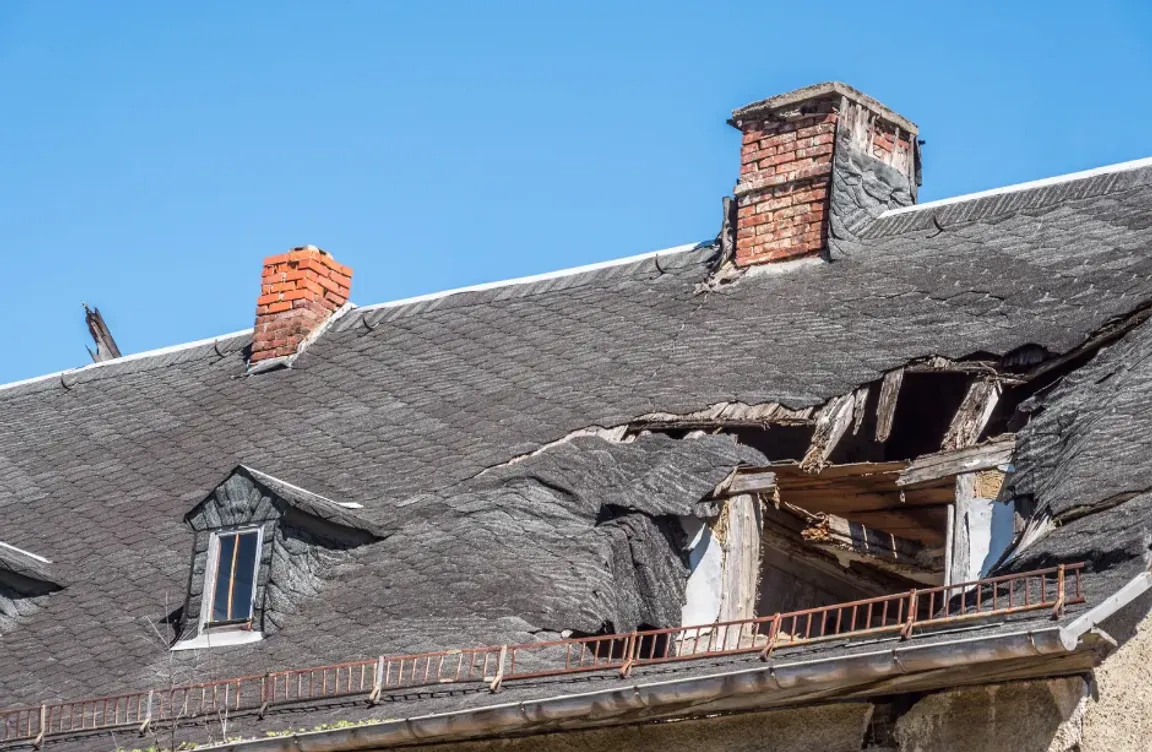
Yes, you can sell a damaged or unsafe home in California, including as-is. State law still requires you to disclose every material defect you know about, no matter how the sale is structured. What changes is your buyer pool and your price, not your legal duty to tell the truth about the property.
TLDR
- California law lets you sell a home in any condition, including “as-is,” but it never waives your duty to disclose known defects under Civil Code Section 1102.
- A damaged or unsafe home typically sells for 5% to 30% below market value, with the steepest discounts going to structural, safety, and code issues.
- Three realistic paths exist for a damaged home: list with an agent experienced in distressed sales, sell to a cash buyer, or make the most critical repairs first.
- Homes in a High or Very High Fire Hazard Severity Zone built before 2010 carry an added fire-hardening disclosure requirement as of July 1, 2025.
- Hiding a known defect, even in an as-is sale, exposes a seller to fraud claims years after closing.
A house doesn’t have to look bad to be considered damaged or unsafe under California law. Homeowners often assume a house needs to be falling down before it counts, and then find out a cracked foundation or an outdated electrical panel puts them in exactly the same legal position as someone whose roof caved in.
The condition of the house changes what you’ll hear from buyers and what you’ll get offered for it. It does not change what you have to tell them. That part trips a lot of sellers up, and it’s worth understanding before you list, call an investor, or decide to fix anything at all.
If the condition of the house embarrasses you a little, you’re far from the only one. It doesn’t change what the house is worth to the right buyer, and it doesn’t change your options.
What Counts as a Damaged or Unsafe Home Under California Law
California law doesn’t draw one hard line between damaged and fine. It looks at whether a condition affects the value or safety of the property enough that a buyer would want to know about it before signing anything.
In practice, homes fall into this category for issues like:
- Foundation or structural problems
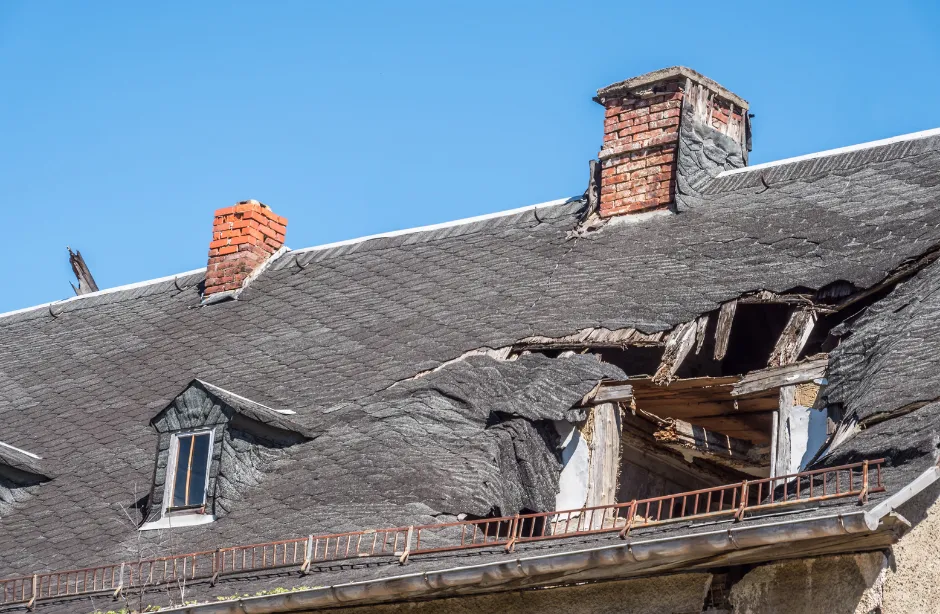
- A roof that leaks or has failed in sections
- Electrical systems that don’t meet current code
- Plumbing that’s failed, leaking, or was installed without a permit
- Unpermitted additions or known code violations
- Fire, water, mold, or earthquake damage
- Environmental hazards like lead paint or asbestos in a pre-1978 home
None of these automatically take a house off the market. Some make it harder to finance conventionally, since a lender’s appraiser can flag a safety issue and hold up the loan until it’s addressed. That’s usually where a seller first hears the word “unsafe” attached to their own house, from an appraisal report instead of from anyone who’s walked through it.
Selling “As-Is” Doesn’t Waive Your Duty to Disclose
An as-is listing tells a buyer you won’t make repairs before closing. It does not tell them you get to stay quiet about what’s wrong.
California Civil Code Section 1102.1 states plainly that a Real Estate Transfer Disclosure Statement can’t be waived in an as-is sale (California Legislative Information). A 1993 appellate decision, Loughrin v. Superior Court, reinforced that a seller can’t use contract language to sidestep the duty to disclose known material defects.
The Transfer Disclosure Statement, or TDS, carries most of this weight. Every seller of a one-to-four-unit residential property in California has to complete one, and it covers everything from a leaking roof to an unpermitted room addition. Filling it out in good faith means describing what you know, not guessing at what a buyer might eventually find on their own.
There’s a difference worth naming here. Selling as-is means you’re not fixing anything before the sale. Concealing a known defect, like painting over water stains or telling a buyer the wiring is fine when you know it isn’t, is a different problem, and it’s the kind that follows a seller well past closing.
What You’re Required to Disclose, Beyond the TDS
The Transfer Disclosure Statement isn’t the only form a California seller needs.
The Natural Hazard Disclosure Statement, required under Civil Code Section 1103, tells a buyer whether the property sits in one of six mapped hazard zones, including a Very High Fire Hazard Severity Zone, an earthquake fault zone (read more about selling after earthquake damage), or a flood zone (California Legislative Information). Most sellers order this report through a third-party company rather than researching it themselves.
If the home was built before 1978, federal law requires a separate lead-based paint disclosure. Known environmental hazards like mold or water damage, asbestos, or lead get their own line on the TDS as well, and California treats visible mold or water damage as a housing condition worth disclosing on its own, under the same material-fact standard, even without a lab test proving an exact contamination level.
Homes carry an added layer if they sit in a High or Very High Fire Hazard Severity Zone and were built before January 1, 2010. As of July 1, 2025, sellers of these properties have to include the State Fire Marshal’s list of low-cost fire-hardening retrofits in their disclosure, along with which of those retrofits, if any, have been done (California Legislative Information). It’s a newer requirement, and plenty of sellers who’ve owned a home for a decade or more haven’t heard of it yet.
How a Damaged Home Gets Priced in California
California buyers price a damaged home by more than the repair estimate. They build in a cushion for the risk and the unknowns hiding underneath it, because a $10,000 repair estimate rarely stays at $10,000 once a contractor opens the wall.
Industry data on recent as-is sales puts the typical discount at 5% to 30% below market value, with light cosmetic issues at the low end and structural, safety, or major system failures pushing toward the higher end. On a $650,000 house, that’s the difference between a $32,500 haircut and a $195,000 one, depending on what’s wrong.
A Comparative Market Analysis is still the right starting point, even for a distressed property. It shows what similar homes, including other distressed ones, have sold for nearby, which is a more honest number than an online estimate that assumes the house is in average condition.
Three kinds of buyers tend to show up for a damaged home: investors, cash buyers, and people specifically looking for a fixer-upper. All three expect a discount. The difference between them is usually speed and certainty, not price alone.
Protecting Yourself Legally When You Sell in California
California sellers who avoid disputes after closing tend to share a few habits.
Disclose everything you know, including things a buyer might never notice on their own. Waiving an inspection doesn’t waive your disclosure duty either, and a buyer who skips their own inspection can still sue you later for something you knew and didn’t say.
A pre-listing inspection isn’t required, but it gives you a paper trail. If a buyer raises a question after closing, a report dated before the sale shows what you knew at the time you signed the TDS, and that matters if a dispute ever escalates.
Keep copies of everything: disclosures, inspection reports, permits, and any written communication about the home’s condition.
If the situation involves foundation problems, title questions, or anything with real legal exposure, an attorney or an experienced investor can help sort out what needs fixing versus what just needs disclosing. The California State Bar’s attorney referral resources are a reasonable place to start if you don’t already have someone.
Your Three Real Paths to Selling a Damaged Home in California

Most California homeowners with a damaged or unsafe house end up choosing between three paths, and the right one depends on how much cash and time they have.
List with an agent who works distressed properties. An experienced agent can price the home correctly, market it to the buyers most likely to want it, and manage the disclosure paperwork. This tends to work best when the house has real value left once repair costs are factored in, and the seller can wait out a normal 30 to 60 day closing. A house that needs repairs the seller can’t front the cash for is a common reason this path stalls before it starts.
Sell to a cash buyer or investor. Cash buyers purchase a home in its current condition, and many close within one to three weeks because there’s no lender underwriting or appraisal contingency involved. Mrs. Property Solutions, for example, has closed in as fast as 14 days on properties in comparable condition. This route tends to make sense when there’s more work than a seller can realistically finance on their own, or when the seller doesn’t have the cash or the time to carry the house through a longer listing.
Make the most critical repairs first, then list traditionally. Fixing the one or two things keeping buyers or lenders away, like a failed roof, exposed wiring, or code violations, can widen the buyer pool without requiring a full renovation. This only makes sense if those specific major repairs are affordable and the rest of the house is in reasonable shape.
A cash sale isn’t the right move for every damaged house. If the home is in a strong location, needs mostly cosmetic work, and there’s no urgency to close fast, a traditional listing after minor repairs will likely net more money. The math changes when the repairs are structural, the timeline is short, or the house can’t qualify for a buyer’s financing at all.
If you’ve read this far, you’re probably trying to figure out whether selling as-is is even realistic for your specific situation, and that’s a fair question to sit with.
Mrs. Property Solutions buys homes in any condition across Los Angeles, Orange, Riverside, San Bernardino, and San Diego counties, including houses with fire damage, mold, foundation problems, code violations, or repairs nobody’s gotten around to. We’ve been doing this since 2016, we’ve purchased 150+ homes, and we’ve earned 50+ five-star reviews from sellers in situations like this one. The offer we make is the offer we honor, and you choose the closing date.
If you want to see what a no-obligation cash offer looks like for your property, get a cash offer or call (626) 344-9579. There’s no cost and no commitment to find out.
Frequently Asked Questions
Can I sell a house in California if it’s not safe to live in?
Yes. California law lets you sell a home in any condition, including one that’s currently unsafe to occupy, as long as you disclose the known issues in writing. The house doesn’t have to be habitable to change hands, but the paperwork explaining why it isn’t still has to be accurate.
Do I have to disclose problems if I’m selling as-is?
Yes, always. An as-is sale means you won’t make repairs before closing, not that you’re excused from telling the buyer what’s wrong. California Civil Code Section 1102.1 specifically prohibits waiving the Transfer Disclosure Statement in an as-is sale, so the disclosure duty stays in place no matter how the listing is worded.
What happens if I don’t disclose a known defect?
You can be held liable for fraud or misrepresentation, even years after closing. California’s statute of limitations for nondisclosure claims generally runs up to four years from when the buyer discovers or should have discovered the problem, so the exposure doesn’t end when escrow does.
Do I have to make repairs before selling a damaged home?
No. California doesn’t require you to fix defects before selling, even if a buyer’s inspection turns up problems. What you can’t do is hide those problems. You can sell as-is and let the buyer factor repair costs into their offer instead.
Will I have to pay for repairs if I sell to a cash buyer?
No. A cash buyer purchasing as-is typically takes the property in its current condition and handles repairs after closing. You’re not expected to clean, repair, or upgrade anything beforehand, which is usually the main appeal of that route for a home in poor condition.
How much less will I get for a damaged or unsafe home?
It depends on the severity of the issue. Industry data on as-is sales puts the typical discount at 5% to 30% below market value, with cosmetic problems at the low end and structural or safety issues pushing toward the higher end.
Do I need a special disclosure if my home is in a fire hazard zone?
Yes, if it was built before 2010 and sits in a High or Very High Fire Hazard Severity Zone. As of July 1, 2025, California requires sellers of these homes to disclose known fire vulnerabilities and include the State Fire Marshal’s low-cost retrofit checklist as part of the sale.
Helpful Resources
- Selling without a realtor
- How to Secure a Vacant Property in California
- Should You Fix Code Violations Before Selling?
- How to Sell a Vacant House Fast in California