

Yes, you can sell a house with foundation problems in California. State law still requires you to disclose what you know about the damage, whether you list it on the MLS or sell it as-is. What changes based on how you sell is how much you spend before closing, how long the sale takes, and how much of a price adjustment buyers or investors build in for the risk they’re taking on.
TLDR
- Selling with foundation problems is legal in California, but the Transfer Disclosure Statement still requires you to report what you know, even in an as-is sale.
- Foundation issues frequently stall traditional MLS sales because a buyer’s lender won’t fund the loan until the foundation is repaired or the buyer accepts the condition in writing.
- Foundation repairs in Southern California typically run $2,000 to $28,000 or more, depending on severity and repair method, and labor costs have climbed 12% to 18% since 2022.
- Selling as-is to a cash buyer skips the financing contingency and the repair negotiations that usually stretch a listed sale out for months.
- A seller with time, money, and a well-documented foundation issue is often better off repairing first. Selling as-is makes more sense when speed or certainty matters more than squeezing out the last dollar.
A crack running up a living room wall doesn’t automatically mean a house is unsellable.
Neither does a door that’s stopped closing right, or a floor that’s started sloping toward one corner. It can feel that way, especially if the problem showed up on an inspection report you weren’t expecting, or if you’ve known about it for years and just kept living around it.
Foundation issues have a way of making an entire house feel worthless, even when the actual damage is contained to one wall or one corner of the slab. For a broader look at selling a home with damage or safety concerns beyond the foundation itself, our guide to selling a damaged or unsafe home in California covers the full picture.
What matters is more specific than that, and more useful to know. It comes down to what’s happening under the house, what California law requires you to tell a buyer about it, and which path forward fits your timeline and your budget.
What Counts as a Foundation Problem in a California Home

Foundation problems in California usually trace back to one of two causes: soil movement or seismic activity. Expansive soil expands when it absorbs winter rain and contracts as it dries out over summer, and that repeated swelling and shrinking is what cracks slabs and shifts footings across large parts of Southern California.
According to the California Geological Survey, which maps areas prone to earthquake-related ground failure including liquefaction and landslides, seismic shifting is the other major driver, particularly in older homes built before current foundation codes.
What that looks like in a house varies. Some homes show hairline cracks in the garage slab and nothing else, cosmetic and stable. Others have doors that won’t latch, windows that stick, visible gaps between the wall and ceiling, or a floor a level can measure sloping half an inch or more across a room.
The difference between those two situations is usually the difference between a $2,000 repair and a $30,000 one, and you generally can’t tell which you’re dealing with without a structural engineer’s opinion.
Yes, You Can Sell With Foundation Problems, But You Can’t Skip Disclosure
Selling a house with a known foundation issue is completely legal in California.
What isn’t optional is telling the buyer about it.
Under California Civil Code Section 1102, the delivery of a real estate transfer disclosure statement may not be waived, even in an “as is” sale. That rule came out of a 1993 court case and has stood ever since. Selling “as-is” limits what repairs you’re on the hook to make. It does nothing to limit what you have to tell the buyer about the property’s condition.
The California Department of Real Estate publishes a full guide to these disclosure obligations, and recommends sellers who are unsure what they’re required to report consult an attorney or a knowledgeable real estate professional rather than guess. That’s not a formality.
A seller who knowingly leaves a documented foundation problem off the disclosure statement can face rescission of the sale and a claim for damages after closing, even years later. Whatever you know about the cracks, the inspection report, or the contractor bid you got two years ago, it goes on the form.
Why Foundation Issues Wreck a Traditional MLS Sale

Most buyers on the MLS are financing their purchase, and that’s where foundation problems usually kill a deal that looked fine on paper.
A lender won’t fund a loan on a home the appraiser or inspector flags for structural concerns, not without the issue being resolved or specifically underwritten around. That means every foundation problem you disclose triggers a second round of scrutiny most sellers don’t see coming.
The buyer’s inspector calls out the cracking. The lender wants an engineer’s letter. The engineer’s letter comes back with a repair estimate. And now you’re renegotiating price, or repair credits, or both, three weeks into an escrow you thought was close to done.
Even a buyer who’s paying cash and still wants the house will usually build a discount into their offer big enough to cover the risk of not knowing exactly how bad the damage is. Nobody wants to be the one who finds out after closing that a $15,000 estimate was closer to a $40,000 job.
What Foundation Problems Typically Cost, and How Much They Cut Into Your Price
There’s no single number, because “foundation problem” covers everything from a hairline crack to a full slab replacement.
The ranges are still consistent enough to plan around.
Foundation repair costs in California typically run $2,000 to $25,000 for most residential projects, with complex jobs like full perimeter pier installation or severe seismic damage repair running $30,000 or more. Labor rates for skilled concrete and structural work across Southern California have risen roughly 12% to 18% since 2022, so an estimate you got a few years ago is probably low today.
Homes with disclosed foundation problems generally sell for 20% to 50% below what a comparable, structurally sound home would fetch, depending on severity, how well documented the issue is, and how motivated the buyer pool is in that price range and location. A minor, well-documented crack with a clean repair estimate attached costs you far less in negotiating leverage than an undiagnosed slope nobody’s put a number on yet.
Getting an engineer’s assessment before you list, even if you’re planning to sell as-is, usually pays for itself in how much less buyers discount for the unknown. If the issues extend well beyond the foundation, our guide to selling a house with major repairs needed covers the broader repair math.
What You’re Required to Disclose
If you know about a foundation problem, it goes on the Real Estate Transfer Disclosure Statement, required under Civil Code Section 1102 et seq. for most residential sales of one to four units. That includes:
- Cracks, settling, or sloping you’ve noticed
- Any inspection or engineering report you’ve had done
- Repairs, patches, or contractor quotes from the past, even ones you decided not to move forward with
- Whether the issue has gotten worse since you first noticed it
This isn’t a document where you write what you think the problem is worth or how serious you personally believe it to be. It’s a factual record of what you know. If you never had it inspected and don’t know the cause, you disclose the symptoms you’ve observed and let the buyer decide whether to investigate further.
A house in a mapped seismic zone carries a separate disclosure requirement under the Natural Hazard Disclosure Statement, regardless of whether you’ve had any actual foundation damage.
That one is about the zone the property sits in, not the condition of the structure itself.
A Burbank House With a Foundation Problem Nobody Wanted to Deal With
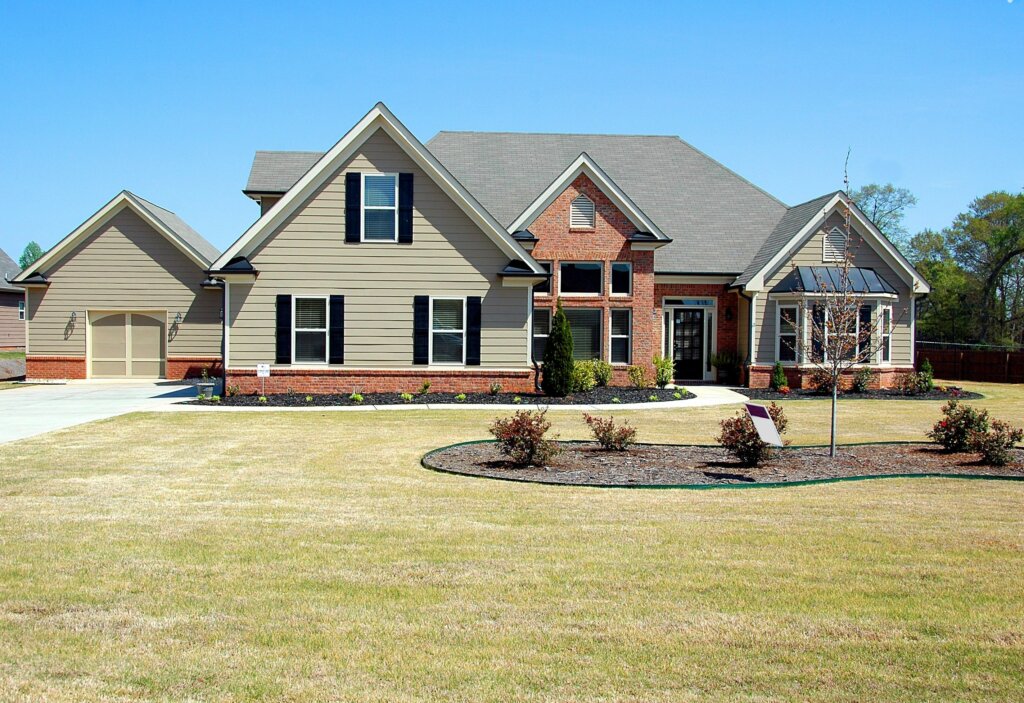
Mrs. Property Solutions bought a home in Burbank from two sisters who’d inherited it from their father. Neither lived in California, and the house hadn’t been touched in years. Alongside the outdated systems and decades of belongings still inside, it had serious foundation issues that had never been addressed.
The foundation problems were factored into the offer upfront, the same way any other condition issue would be, with no renegotiation after the fact. The sisters didn’t fly out. They didn’t sort through the house room by room deciding what to keep. The transaction closed in 21 days, at the exact number in the original offer, with the entire cleanout handled as part of the deal. One of them put it simply afterward: the amount offered was the exact amount she got at closing, with no surprises.
That’s the practical difference a cash sale makes with a foundation problem specifically.
The repair cost, whatever it turns out to be, gets built into the number once, at the start, instead of getting renegotiated every time a new inspector shows up.
Repair, List As-Is, or Sell to a Cash Buyer: Weighing Your Options
Three paths generally exist once you know what you’re dealing with, and the right one depends on your timeline, your cash on hand, and how much certainty you need.
Repairing before you sell opens up the widest buyer pool and the best chance at a price close to full market value, since financed buyers can qualify and the appraisal isn’t a fight. It also means fronting $2,000 to $30,000-plus, waiting on permits and engineering sign-off, and accepting that repairs don’t always add back dollar for dollar what they cost. This makes the most sense when you have both the time and the cash, and the repair scope is well defined.
Listing as-is on the MLS avoids the repair bill but not the buyer pool problem. You’re now marketing mostly to cash buyers and investors, since financed offers will keep hitting the same appraisal wall. Expect a longer time on market and offers that reflect the repair discount, but you keep the flexibility of a traditional listing and multiple offers if the price is set right.
Selling as-is to a cash buyer or investor is the fastest route through a foundation problem, because the buyer isn’t relying on a lender who needs the issue resolved first. A cash buyer factors the repair cost, the uncertainty, and their own resale margin into the offer upfront, and the sale can close in as little as two to three weeks with no repairs, no financing contingency, and no renegotiation once the offer is made. This is worth knowing regardless of who you end up selling to: our guide to selling a house that needs repairs walks through how that pricing math generally works.
None of these is automatically the right call. A homeowner with a minor, cheap-to-fix crack and six months on the calendar is usually better off repairing and listing traditionally. Someone facing a five-figure repair bill on a house they need to be rid of quickly is usually better served selling as-is.
When Repairing First Makes More Sense
Selling as-is isn’t automatically the smarter move, and a guide that only tells you why a cash sale works isn’t being straight with you.
If the damage is minor, already diagnosed, and comes with a repair estimate under roughly $10,000, fixing it before you list often nets more money than selling as-is once you account for the price gap financed buyers will pay for a structurally sound home. The same is true if you have six months or more before you need to move and enough cash on hand to cover the repair without financing it. In that situation, the wider buyer pool and stronger comps usually outweigh the time and hassle of managing a contractor.
Where that math flips is when the repair estimate runs into five figures, the timeline is short, or managing permits and contractors on top of everything else going on in your life isn’t something you have room for right now. There’s no wrong answer here. It depends on what you’re working with, on both sides of the ledger.
If a foundation problem is the reason you’re weighing whether to sell at all, you’ve probably already run the numbers on repair costs more than once tonight.
Mrs. Property Solutions buys houses across Southern California in as-is condition, foundation issues included, no repairs, inspections, or contractor bids required on your end. Since 2016, the company has purchased 150+ homes and earned 50+ five-star reviews from sellers in exactly this kind of situation, and the offer made is the offer honored through closing, every time.
If you want to know what a cash offer looks like for your specific situation, get a no-obligation cash offer and the team will walk you through it, even if selling to us isn’t the right fit for you.
Foundation Problems FAQ
Is it illegal to sell a house in California without disclosing a known foundation problem?
Yes. California Civil Code Section 1102 requires sellers to disclose known material defects, including foundation issues, through the Transfer Disclosure Statement, and that requirement cannot be waived even in an as-is sale. Leaving a known problem off the form can expose you to a rescission claim or a damages lawsuit after closing.
How much do foundation problems typically lower a home’s sale price?
Homes with disclosed foundation problems generally sell for 20% to 50% below what a comparable, structurally sound home would bring, depending on severity, how well documented the issue is, and buyer demand in that price range. A well-documented minor crack costs you far less in negotiating leverage than an undiagnosed problem nobody’s put a number on.
Will foundation cracks stop my buyer’s mortgage from getting approved?
Often, yes. Lenders generally won’t fund a loan on a home an appraiser or inspector flags for structural concerns until the issue is repaired or specifically underwritten around. That’s the main reason foundation problems derail more traditional, financed sales than almost any other condition issue.
Do I have to get an engineering inspection before I sell?
No, but it usually helps. An inspection isn’t legally required to sell, but having a documented, professional assessment in hand before you disclose tends to reduce how much buyers discount for the unknown, since they’re pricing a known number instead of guessing at a worst case.
Can I sell a house as-is if the damage is from expansive soil rather than a structural defect?
Yes. California law doesn’t distinguish between causes when it comes to disclosure. Whether the movement traces back to expansive soil, seismic shifting, or age, you disclose what you’ve observed and what you know, and you can still sell as-is to a cash buyer or investor who’s factoring that condition into the offer.
What happens if I sell without disclosing a foundation problem I knew about?
A buyer who discovers an undisclosed, known foundation problem after closing can pursue rescission or a damages claim, and there’s generally no strict time limit tied to when the sale closed rather than when the defect was discovered. Disclosing upfront, even an ugly number, is almost always the safer and cheaper path.
Is a cash offer on a house with foundation problems automatically a lowball?
Not automatically. A fair cash offer accounts for the repair cost, the uncertainty around the full damage, and the buyer’s own resale math, the same factors that would cut into a financed sale once an appraiser flags the issue. Evaluate any offer against your real alternative, not an imagined full-price number the house was never going to get.
Helpful Resources
- Selling without a realtor
- Should You Fix a Leaking Roof Before Selling?
- How to Sell a House with Code Violations in Los Angeles
- How to Secure a Vacant Property in California
- Should You Fix Code Violations Before Selling?
- How to Sell a Vacant House Fast in California