
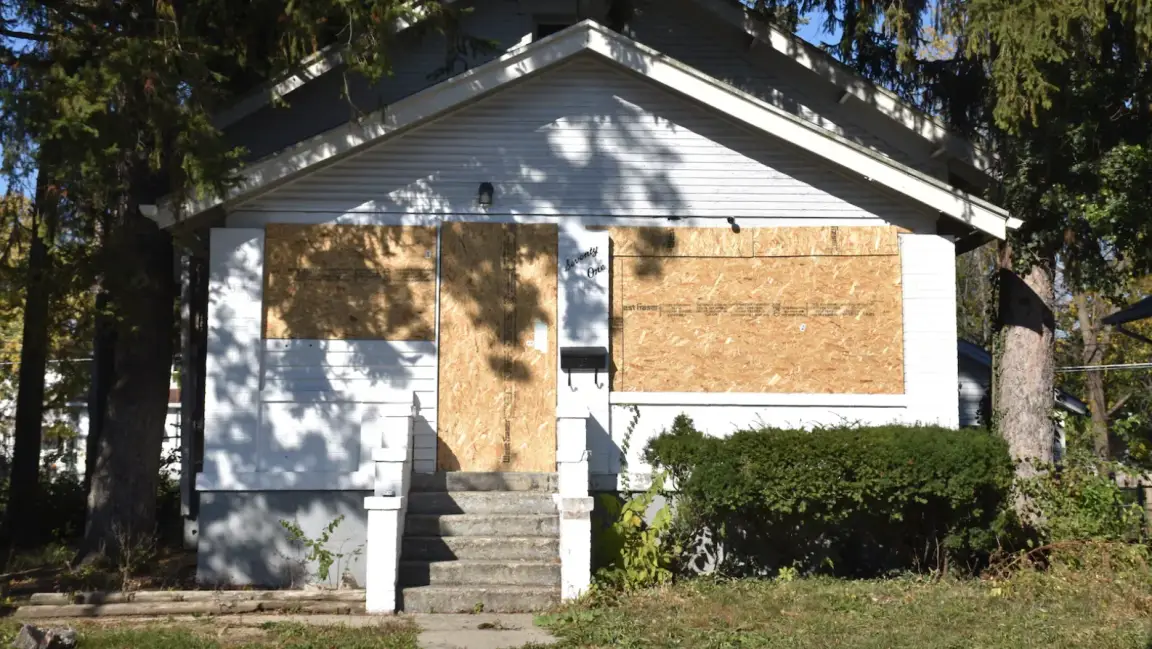
You can sell a house with code violations in Los Angeles. The open violations stay with the property, you disclose them, and the buyer takes on the corrections. What changes is who can buy it, because many loans require a safe and sound home, so cash buyers and renovation buyers often become the realistic market.
Key takeaways
- Open code violations in Los Angeles do not block a sale, but they stay attached to the property until the work is corrected and the city signs off.
- LADBS permit and code enforcement records, plus the City Planning ZIMAS map, show what the City of Los Angeles has on file before a buyer’s inspector finds it.
- Unpaid LADBS fees can become a lien, and in one 2025 City Council report a $356.16 inspection fee grew into a $1,276.56 lien.
- California’s Transfer Disclosure Statement asks sellers about unpermitted work, zoning violations, and city citations, and selling as-is does not remove that question.
- FHA loans require a home to meet HUD’s safety and soundness standards, which is why cash and renovation buyers are often the ones who can close.
For a lot of families in Los Angeles, the code violation started years before they ever owned the house. It’s the garage a parent turned into a bedroom decades ago, the patio an uncle enclosed without a permit, or a notice that showed up after a neighbor complained about the yard, and now it’s sitting in a folder on the kitchen table with a deadline printed on it.
Even though it can feel like the house is frozen until every item on that notice is fixed, a house with open violations can still be sold.
The most useful thing you can do first is find out exactly what the city has on record, what it’s costing you while the case stays open, and what a buyer has to be told, and then decide how you want to sell from there.
None of that requires picking up a hammer first.
Yes, You Can Sell a House With Code Violations in Los Angeles
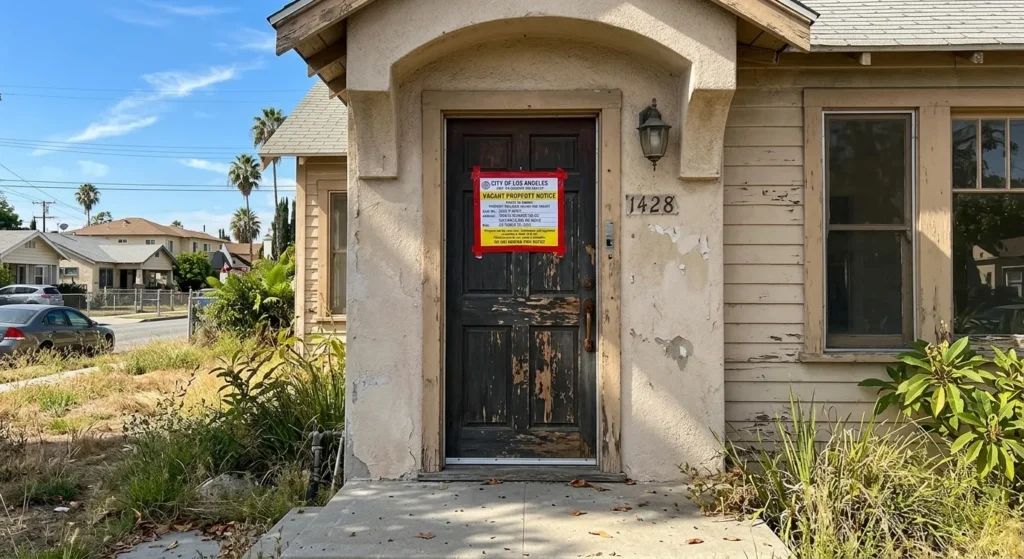
A house with open code violations in Los Angeles can be sold, because a violation is a problem with the property and not a legal block on transferring it. The open case shows up on the property’s record with the Los Angeles Department of Building and Safety (LADBS), and it stays there after closing until someone corrects the work and an inspector signs off, which means the new owner inherits it.
What the violations change is the sale itself. They decide who can buy the house, how that buyer pays for it, and how the price looks once the buyer has counted the corrections, the permit fees, and the months it takes to get a city sign-off. A buyer paying cash can take on an unpermitted room or an open Order to Comply, while a buyer using an FHA loan often can’t, and that one difference shapes almost every decision that follows.
The same goes for violations from other departments, like zoning issues flagged by City Planning or habitability orders from the Los Angeles Housing Department (LAHD) on a rental.
Find Out Exactly What the City Has on Record First
The first step in selling a house with code violations in Los Angeles is pulling the city’s own records, so nothing comes up in escrow that you didn’t already know about. These are the places to look:
- Permits and code cases: the LADBS online building records search covers building permits back to 1905 and certificates of occupancy back to 1940, and its Permit and Inspection Report shows code enforcement activity on the parcel.
- Zoning: ZIMAS, the City Planning map tool at zimas.lacity.org, shows the zoning designation and overlay zones for the lot, which matters for a garage conversion or an extra unit.
- Rentals with two or more units: LAHD inspects these under its Systematic Code Enforcement Program at least once every two or four years depending on the property’s tier, and written orders usually give the owner about 30 days to comply.
- Outside the City of Los Angeles: unincorporated areas fall under the LA County Department of Regional Planning’s zoning enforcement, and incorporated cities like Pasadena and Long Beach run their own code enforcement.
Once you have the records, compare them to the house you’re standing in. If the permit history shows a two-bedroom house with a detached garage and you’re looking at a three-bedroom with no garage, that gap is the unpermitted work a buyer’s inspector will find, whether or not the city has ever written it up.
Write down every case number you find.
What an LADBS Order to Comply Costs While It Stays Open

An LADBS Order to Comply starts a series of fees that keep adding up until the violation is corrected, and fees left unpaid can become a lien on the property. The department’s own fee sheet for code enforcement lists these charges:
- Code Violation Inspection Fee: $356.16 when the Order to Comply is issued, due within 30 days, with an $890.40 late penalty that brings it to $1,246.56.
- Non-Compliance Fee: $660 if the violation isn’t corrected within 15 days after the compliance date, with a $1,650 late fee that brings it to $2,310.
- Investigation Fee: at least $400, or double the permit fee, when a permit is required to correct the work.
In a February 2025 City Council report, LADBS asked to place a $1,276.56 lien on a Los Angeles home, and almost all of it came from a single unpaid inspection fee plus late charges, collection fees, and a $30 title report fee.
When a house with an LADBS lien sells, the lien is usually paid from the seller’s proceeds at closing, the same way other recorded liens get paid. LADBS has a Demand Request form that the owner, or someone the owner authorizes in a notarized letter, uses to get an exact accounting of the outstanding fees so escrow knows the payoff.
Keep in mind that paying the fees settles the money and nothing else. The violation itself stays open on the record until the work is corrected, which is why the buyer’s plan for the corrections matters as much as the payoff number.
Do You Have to Disclose Code Violations in California?
Yes, in most home sales you do.
Sellers of a one-to-four unit home in California generally complete the Transfer Disclosure Statement set out in Civil Code section 1102.6, and it asks directly about room additions or repairs made without the necessary permits, work that isn’t in compliance with building codes, zoning violations and nonconforming uses, and any notices of abatement or citations against the property.
Selling as-is doesn’t change any of that. As-is describes the repairs you won’t make, and the disclosure form still asks the same questions about what you know. A few sales are exempt from the form under Civil Code section 1102.2, including sales ordered by a probate court during estate administration and foreclosure sales, and if you’re an executor in that position, your probate attorney is the right person to ask what the estate should still share with a buyer. Our guide to as-is disclosure rules goes further on what the form covers.
Disclosing up front also protects the sale. A written list of every open violation, with the LADBS case numbers attached, lets a buyer price the corrections at the start instead of finding them during an inspection and coming back to renegotiate, and a buyer who knows exactly what they’re taking on is a buyer who’s more likely to close.
Unpermitted Garage Conversions Have a Clearer Path Than They Used To
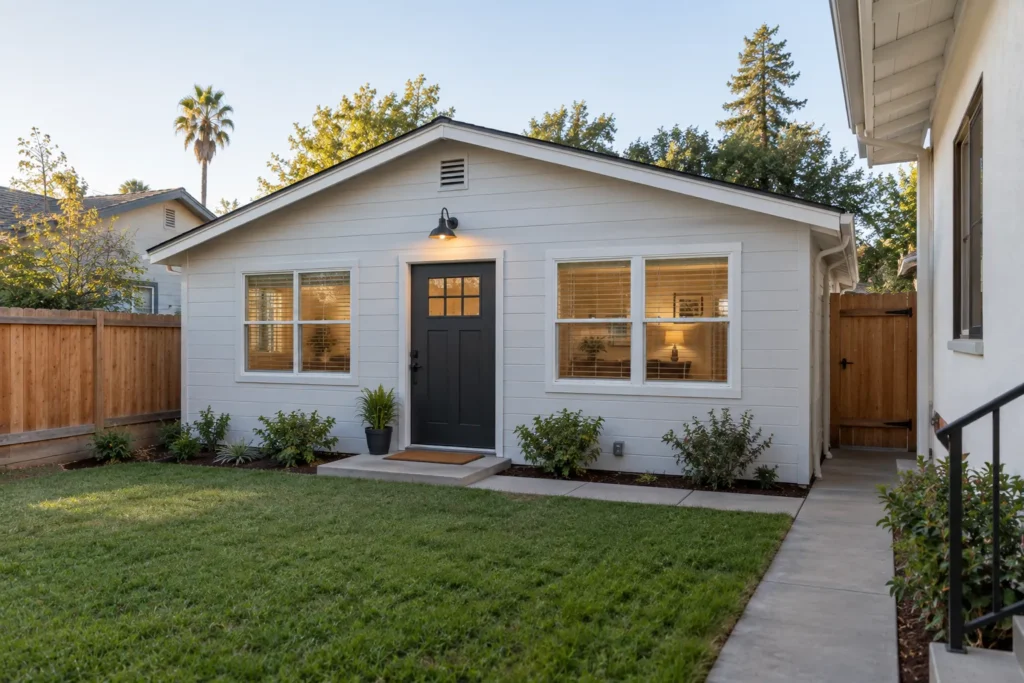
An unpermitted garage conversion or backyard unit built before January 1, 2020 has a clearer route to legalization in California than it did a few years ago, and that matters to your buyer even if you never file a permit yourself. Under Government Code section 66332, added by AB 2533, a city can’t deny a permit to legalize an unpermitted accessory dwelling unit built before that date unless the building is substandard, and it has to approve the permits needed to fix health and safety problems.
The rule applies in Los Angeles. In a March 2026 review letter sent to the City of Los Angeles on March 24 about its ADU ordinance, the California Department of Housing and Community Development confirmed that section 66332 does not cap how many of these older units a city has to approve.
For a sale, the build date carries a lot of weight. A buyer can look at a pre-2020 conversion as something fixable, while a newer one, or a unit that doesn’t meet ADU rules at all, is closer to a zoning violation the buyer may have to undo. Old photos, utility records, or any paperwork that shows when the work was done are worth finding before you list.
Other zoning violations work the same way at the sale. A use the zone doesn’t allow, or a structure built into a required setback, stays with the lot, and ZIMAS will tell a buyer what the zone allows before they make an offer.
Can You Sell a Red-Tagged or Condemned House in LA?
Yes, a red-tagged house in Los Angeles can still be sold, but the tag limits who can go inside, and that limits who can buy it. California’s building safety evaluation placards, published through Cal OES and the Applied Technology Council, use three colors: green for INSPECTED, yellow for RESTRICTED USE, and red for UNSAFE, which means entry and occupancy are prohibited.
People often call a house condemned when the city has ordered it vacated. The house can still change hands, and the order, like any open violation, stays with the property until the city clears it. Before you market it, call the inspector named on the notice and ask what access is allowed for buyers and their contractors, because nobody can price a house they can’t walk through.
Our guide to selling a damaged home covers the insurance and rebuild questions that usually come with a red tag.
Which Buyers Can Close on a House With Open Violations?
Cash buyers, investors, and buyers using renovation loans are usually the ones who can close on a Los Angeles house with serious open violations, because standard mortgages carry property standards of their own. An FHA loan, for example, requires the home to meet the Minimum Property Requirements in HUD’s Single Family Housing Policy Handbook 4000.1, and conditions that affect safety, security, or soundness generally have to be addressed before that loan can close.
Smaller violations, like a missing handrail, an overgrown yard, or a broken fence, rarely stop a financed buyer and are often cheap enough to fix before listing.
The serious ones, like an unpermitted addition, faulty electrical work, or a red tag, shrink the pool to buyers who don’t need a lender’s approval, and those buyers price in the corrections, the permit fees, and the time it takes to get a city sign-off. That math is the reason a house with open violations usually sells for less than the same house without them, and it’s worth knowing before you compare offers.
Your Options for Selling a House With City Code Issues
Most owners in Los Angeles end up choosing between three paths, and the right one depends on how serious the violations are and how much time you have.
Correct the violations, then list. This makes sense when the list is short and the fixes are simple, a handrail, a smoke detector, a yard cleanup, and a sign-off gets the house back in front of every kind of buyer. We wrote a separate guide on whether to fix violations first that walks through the decision in detail.
List as-is with an agent and full disclosure. You reach the most buyers this way, and with cash buyers and investors in that pool, the house can still sell with open cases. The cost is time and commission, and at 5% to 6% on the August 2026 Los Angeles County median listing price of $965,000, reported by Realtor.com through the Federal Reserve Bank of St. Louis, that commission comes to $48,250 to $57,900.
Sell directly to a cash buyer. The price reflects the corrections the buyer takes on, and in exchange there are no repairs, no showings, and no lender who can back out over the property’s condition. This is the kind of sale Mrs. Property Solutions does, and it isn’t the right fit for every house.
If your violations are minor, the house otherwise shows well, and you have a few months, listing it will very likely put more money in your pocket than any cash offer, and you should do that. For houses where the corrections are bigger than the owner can take on, here’s more on selling a house that needs work as-is.
When You Want Someone to Look at the Notices With You
If you’ve read this far, you probably have a folder of city notices and a few questions no article can answer about your specific house.
Mrs. Property Solutions buys houses across Los Angeles County as-is, including homes with open LADBS cases, unpermitted conversions, and code enforcement liens, and we take on the corrections after closing. We’ll go through your notices with you, show you how we arrived at our number, and the offer we make is the offer we honor at closing.
Since 2016 · 150+ homes purchased · 50+ five-star reviews · Local to LA County · No repairs, no commissions · The offer we make is the offer we honor
Call us at 626-344-9579, send the address through our contact page, or read more about how we work. There’s no obligation, and if fixing or listing makes more sense for your house, we’ll tell you that.
Frequently Asked Questions
Can you sell a house that is not up to code in California?
Yes. California does not require a house to meet current code before it can be sold. The seller discloses known violations, unpermitted work, and city citations on the Transfer Disclosure Statement, and the buyer takes on the corrections. Serious violations usually narrow the buyers to cash buyers, investors, and renovation lenders.
Do code violations transfer to the new owner in Los Angeles?
Yes. An open LADBS code case is tied to the property’s address and parcel, not to the seller, so it stays on the record after a sale. The new owner becomes responsible for correcting the work and getting an inspector’s sign-off, which is why buyers price open violations into their offers.
Does selling my house stop LADBS fees from adding up?
No, not by itself. LADBS fees such as the Code Violation Inspection Fee and the Non-Compliance Fee are tied to the open case, and unpaid fees can become a lien. Escrow usually pays any lien from the seller’s proceeds at closing, but the case stays open until the violation is corrected.
How do I look up code violations on a Los Angeles property?
Start with the LADBS online building records search, which shows permits, certificates of occupancy, and a Permit and Inspection Report with code enforcement activity. Check zoning on ZIMAS, the City Planning map tool. For rentals with two or more units, LAHD’s Systematic Code Enforcement Program keeps its own inspection records.
Can I sell a house with zoning violations in Los Angeles?
Yes. A zoning violation, like an unpermitted unit or a structure built into a setback, stays with the lot and must be disclosed. Unpermitted accessory dwelling units built before January 1, 2020 can often be legalized under Government Code section 66332, which makes them easier for a buyer to take on.
Do I have to disclose unpermitted work if I sell my house as-is?
Yes. Selling as-is means the seller won’t make repairs, and it does not remove the duty to disclose. California’s Transfer Disclosure Statement asks about work done without permits, code compliance, zoning violations, and citations. Some court-ordered sales, including certain probate sales, are exempt from the form under Civil Code section 1102.2.
Can I sell my rental if LAHD found violations during an inspection?
Yes. A rental with open LAHD orders from a Systematic Code Enforcement Program inspection can still be sold, and the orders stay with the property. The buyer takes on the corrections and the tenants’ existing rights. Uncorrected orders can be referred to the Rent Escrow Account Program or the City Attorney.
Will a cash buyer purchase a house with open code violations?
Yes. Cash buyers and investors regularly purchase Los Angeles houses with open code cases, unpermitted additions, and code enforcement liens, because they don’t need a lender to approve the property’s condition. Their offers subtract the cost of corrections, permit fees, and time, so compare several and ask each buyer to show their math.
Disclaimer: This article explains how code enforcement, disclosure, and city liens generally work when selling a home in Los Angeles and California. It isn’t legal advice, and rules and fees vary by city and by situation. Talk to a real estate attorney about your specific case, and confirm current fees with LADBS before relying on them.
Let’s help you move on from your problem property with less stress and more cash in your pocket.
Helpful Resources
- Selling without a realtor
- How to Secure a Vacant Property in California
- How to Sell a Vacant House Fast in California
- How to Sell a House With Major Repairs Needed in California
- Can You Sell a House With Foundation Problems in California?
- Should You Fix a Leaking Roof Before Selling?