
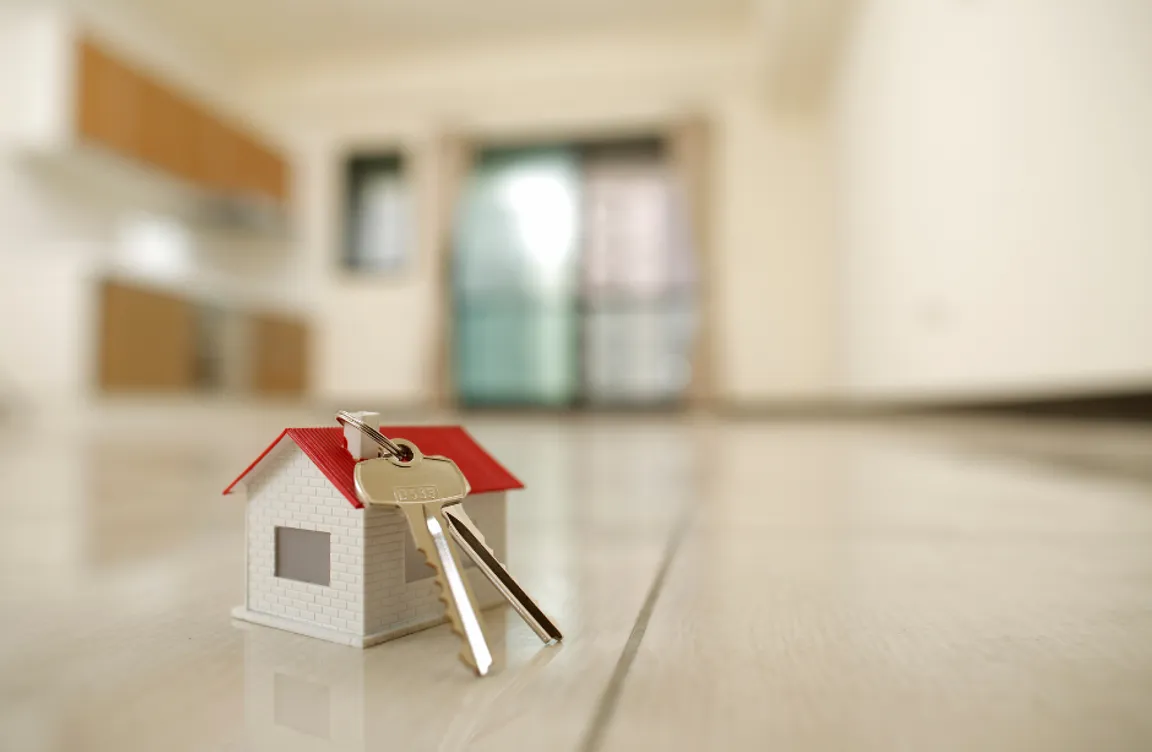
A vacant house in California sells fastest when you price it for what it is, an empty home with no one to defend its condition, and move quickly, because every month it sits empty adds insurance risk, city penalties in some areas, and upkeep costs that a lived-in house doesn’t carry. Selling as-is to a cash buyer skips staging and repairs entirely and can close in as little as 14 days.
TLDR
- A vacant home typically costs $1,500 to $3,000 a month to hold in insurance, taxes, utilities, and upkeep, and standard homeowners insurance usually stops covering theft, vandalism, and water damage after 30 to 60 days of vacancy.
- Los Angeles can fine the owner of a vacant structure that’s open to unauthorized entry up to $1,000 per day under the municipal code, with no cap until it reaches $100,000 in a calendar year.
- Vacant homes sell slower on the open market because buyers read empty rooms as a warning sign, so realistic pricing and visible upkeep matter more than they do for an occupied house.
- California’s Transfer Disclosure Statement still requires disclosing known material defects even on a vacant property. Vacancy itself isn’t a defect, but whatever caused it or happened because of it might be.
- Selling as-is to a cash buyer removes staging, repairs, and financing delays from the equation and can close in as little as 14 days.
An empty house doesn’t pay for itself. The mortgage still comes due, the insurance bill still shows up, and the property tax office doesn’t care that nobody’s living there. Every month it sits empty is a month you’re paying to own a house you’re not using, and the costs add up faster than most people expect.
Vacant homes also sell differently than occupied ones. Buyers who walk into an empty house tend to ask themselves what’s wrong with it, even when nothing is, and that hesitation shows up in lower offers and longer days on market.
If you’ve inherited a property, moved for work, or simply can’t keep up with an empty house from a distance, the fastest path through it starts with understanding what vacancy costs and how to price around it. For steps on keeping the property safe while it’s on the market, see our guide to securing a vacant property in California.
Why a Vacant House Takes Longer to Sell in California
Buyers read an empty house as a question mark. A house with furniture in it tells a story, this is where people live, this is how the space gets used, and an empty house tells them nothing, so they fill in the blanks themselves.
That instinct isn’t irrational. Empty rooms make ordinary wear look worse. A scuff on a bare wall reads as neglect. A carpet with no furniture on it shows every stain.
There’s no one keeping an eye on the place day to day either, so buyers reasonably wonder whether small problems have had time to become bigger ones. Some lenders slow down or ask more questions on a property that’s sat vacant for a while, especially once the listing’s been active for months without an offer, which only reinforces the doubt.
None of this means a vacant house won’t sell, it means it usually needs a different approach than a house someone’s still living in.
What It Costs to Hold a Vacant Property

Most homeowners underestimate this until they’ve lived through a few months of it. Holding a vacant property in California commonly runs $1,500 to $3,000 a month once you add up the mortgage, property taxes, insurance, utilities, and basic upkeep like lawn care.
That number moves depending on the property and the county, so it’s worth doing your own math before you decide how long you’re willing to let a house sit.
A $3,000-a-month carrying cost over six months is $18,000 spent on a house nobody’s living in, money that comes straight out of whatever equity you’d otherwise walk away with.
Insurance is the piece people miss most often. Most homeowners insurance policies include a vacancy clause that limits or excludes coverage for theft, vandalism, and water damage once a property has sat empty for 30 to 60 days, depending on the carrier, because insurers know vacant homes carry more risk of an undetected problem turning expensive. A burst pipe in a house where someone lives gets caught in hours. The same pipe in an empty house can run for days before anyone notices, and by then it’s a floor and drywall replacement instead of a repair.
If you know a property will sit vacant for more than a month, call your carrier and ask directly whether your policy still covers it. Some insurers require notice before the vacancy even starts. Farmers, one of the carriers still writing new homeowners policies in California, sells vacant home coverage as a standalone 12-month policy with a prorated refund if you sell or re-occupy the property before the year is up, which is the kind of detail worth asking about regardless of who your carrier is.
Either way, you want to know before there’s a claim, not after.
Cities Can Penalize a Vacant House That’s Left Insecure
This surprises a lot of owners. Los Angeles Municipal Code treats an unsecured vacant structure as a code violation, and the city can fine the responsible party up to $1,000 per structure per day once it’s met the vacancy definition for 30 consecutive days, with no ceiling until the total reaches $100,000 in a calendar year. The rule exists because an open, unsecured vacant building draws squatters, vandalism, and fire risk into a neighborhood, and the city holds the owner accountable for that.
Filing a Statement of Intent with the city’s Superintendent of Building and Safety and properly posting the structure can pause the penalty, so this isn’t automatic the moment a house goes empty, and most owners who stay on top of the paperwork never see a fine. But it’s a real cost that catches people off guard, especially an owner managing a property from out of state who assumed an empty house was, at worst, an eyesore, and never thought to check what the city required.
Other Southern California cities run their own vacant property registration programs with their own thresholds and fees, and if the house isn’t in Los Angeles proper, a quick call to the local building department will tell you what applies.
Do You Have to Disclose That the House Was Vacant?
Vacancy by itself isn’t something California law requires you to disclose. California’s Transfer Disclosure Statement, required under Civil Code Section 1102, covers known material defects, things that affect the value or desirability of the property, not the fact that nobody was living there.
What matters is whether anything happened during the vacancy, a leak that went unnoticed, a break-in, pest damage, that a buyer would consider material. If something did happen, that gets disclosed the same way any other known defect would.
The safest approach is to walk the property yourself, or have someone do it, before you list or sell, so you know its real condition, not what you assume it is from a distance.
How to Price a Vacant House to Sell Fast

Overpricing is the single most common mistake with a vacant property in California, and it’s an easy one to make because owners often price based on what the house was worth when someone lived in it, not what it looks like empty and untouched.
A competitive, realistic price does more work than almost anything else to move a vacant listing, so pull recent sales of comparable homes in the area and adjust honestly for the property’s current condition, not the condition you remember. If the house needs real work, pricing a little under market can bring in more interest, sometimes competing offers, because investors and value buyers are watching for exactly that kind of listing.
Staging is the other lever, and the cost gap between the two ways to do it is wide enough to matter. Traditional staging for a vacant home typically runs $2,000 to $5,000 to set up, plus a monthly rental fee for as long as the furniture stays in the house, which adds up fast on a property that’s already costing money every month it doesn’t sell.
Virtual staging, where a company edits furniture into photos of the empty rooms rather than moving real furniture in, usually runs somewhere in the range of $20 to $75 per photo, so a full set of listing photos often costs a few hundred dollars instead of a few thousand. It won’t help a buyer standing in an empty room in person, but for a house that’s selling mostly through online photos, it closes most of the visual gap at a fraction of the cost.
Basic upkeep still matters even with nobody living there. A mowed lawn, cleared debris, and a house that looks cared for from the curb tells a buyer the property has been watched, not abandoned, and it’s a small signal that changes how seriously people take the listing.
Selling As-Is to a Cash Buyer
For an owner who doesn’t want to keep paying to hold an empty house while it sits on the market, selling as-is to a cash buyer in California skips the parts of a traditional sale that take the most time. There’s no staging to arrange, no repairs to complete before a buyer’s inspection, and no financing contingency that can fall through weeks into escrow, and a cash sale on a vacant property commonly closes in one to three weeks because there’s no lender underwriting the loan and no appraisal contingency sitting between an accepted offer and a closed deal. That timeline matters most for someone watching a $1,500 to $3,000 monthly carrying cost add up with every week the house stays unsold.
This isn’t the right move for every vacant house. If the property is in solid condition, in a strong area, and you’re not under time or cost pressure, listing traditionally with an agent will usually bring in a higher sale price over a longer timeline, because a patient sale on the open market and a cash sale to an investor are solving for different things.
A cash sale trades some top-line price for speed and certainty. That trade only makes sense if speed and certainty are worth something to you, and for a house that’s costing $2,000 a month just to sit there, they usually are. The math is the same one covered on our page for selling a house that needs work, whether the house is occupied or vacant, and it comes down to what the holding costs and repair costs are doing to your bottom line versus what waiting might earn you. The full guide on damaged or unsafe homes in California walks through that comparison in more depth if the property has other issues on top of sitting empty.
If you’ve read this far, you’re probably weighing whether it’s worth the wait to list a vacant house the traditional way or whether the monthly cost of holding it makes a faster sale the better call.
Mrs. Property Solutions buys houses across Southern California in as-is condition, including vacant properties, without requiring repairs, cleanouts, or a listing period. The company has purchased 150+ homes since Cristina Ortega founded it in 2016, has earned 50+ five-star reviews from sellers, and is local to LA County rather than a national franchise. Offers commonly close in as fast as 14 days, and the offer made is the offer honored at closing, with no price renegotiation after the earnest money deposit.
If you’d like a no-obligation cash offer on a vacant property, reach out to Mrs. Property Solutions or call (626) 344-9579. There’s no cost or commitment to find out what a fair offer looks like.
Frequently Asked Questions
How fast can you sell a vacant house in California?
A traditional listing typically takes 30 to 90 days depending on the market and the house’s condition, plus another 30 to 45 days to close once a buyer is found. A cash sale to an investor can close in as little as 14 days because there’s no financing contingency, appraisal, or lender underwriting involved.
Is a vacant house harder to sell than an occupied one?
Generally yes. Buyers tend to read empty rooms as a warning sign even when nothing is wrong, and ordinary wear looks more obvious without furniture to soften it. Realistic pricing, visible upkeep, and staging or virtual staging can offset most of that disadvantage.
Does my homeowners insurance still cover a vacant house?
Usually not in full. Most policies include a vacancy clause that limits or excludes coverage for theft, vandalism, and water damage after 30 to 60 days of vacancy. Call your carrier directly to ask what your specific policy covers and whether you need a vacancy endorsement or separate policy.
Can I get fined for leaving a house vacant in Los Angeles?
Yes, if it’s left open to unauthorized entry. Los Angeles Municipal Code allows penalties up to $1,000 per day, capped at $100,000 per calendar year, for a vacant structure that isn’t properly secured. Filing a Statement of Intent with the city can pause this.
Do I have to disclose that a house sat vacant before I sold it?
Vacancy itself isn’t a disclosable defect under California’s Transfer Disclosure Statement, required by Civil Code Section 1102. What must be disclosed is any known material issue affecting the property’s value or condition, whether it happened because of the vacancy or not, such as a leak, pest damage, or a break-in.
Will selling to a cash buyer mean a lower offer than listing traditionally?
Usually somewhat, yes, because a cash buyer is pricing in the repairs, holding costs, and resale risk they’re taking on. Whether that trade makes sense depends on how much the house needs in repairs and how much longer you’re willing and able to keep paying to hold it empty.
Do I need to clean out or repair anything before selling a vacant house for cash?
No. A cash sale is typically structured as-is, meaning the buyer takes the property in its current condition, contents and all if anything was left behind, with no cleanout, staging, or repair work required from the seller before closing.
Helpful Resources
- Selling without a realtor
- Should You Fix Code Violations Before Selling?
- How to Sell a House With Major Repairs Needed in California
- How to Sell a House with Code Violations in Los Angeles
- Can You Sell a House With Foundation Problems in California?
- Should You Fix a Leaking Roof Before Selling?