
(Tips, Risks, and Laws You Need to Know)
Owning a vacant property in California comes with a unique set of challenges—especially if you’re not living nearby or the home is sitting empty due to probate, inheritance, or a pending sale.
Vacant homes are more than just a target for squatters—they’re a magnet for vandalism, code violations, and even legal liability.
In this post, we’ll break down exactly how to secure a vacant home in California, explain the risks (including unfavorable laws for property owners), and walk through real-world examples so you can protect your property and your peace of mind. If you are dealing with a property in probate, make sure to check out our 2026 guide to navigating probate in California.
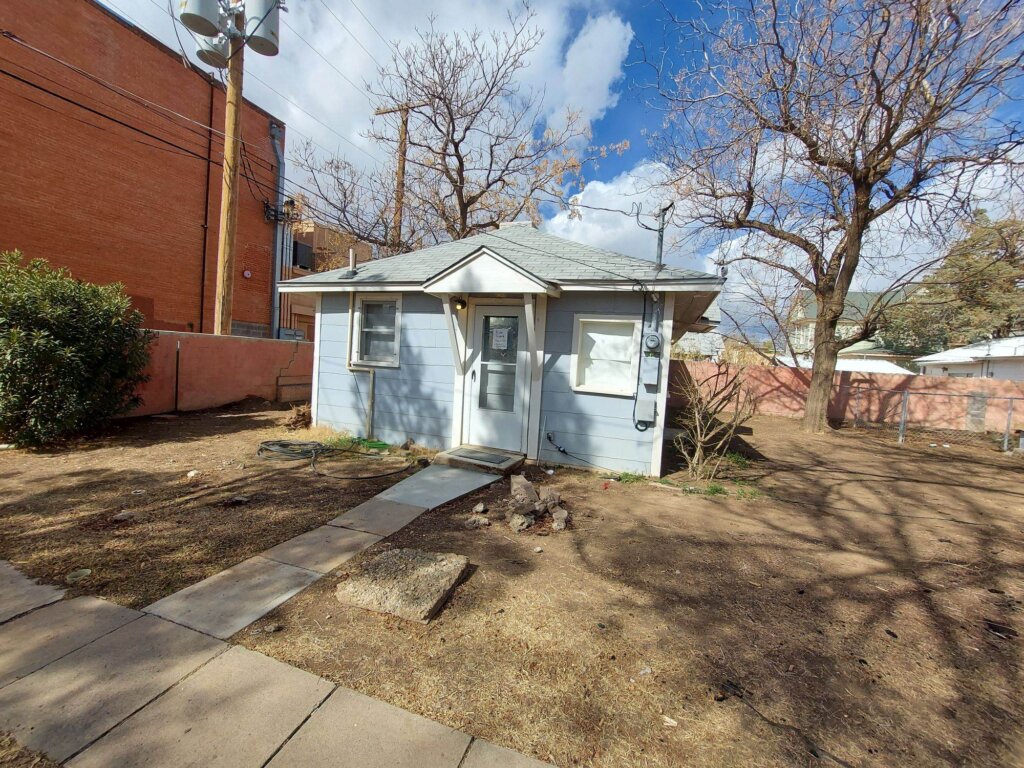
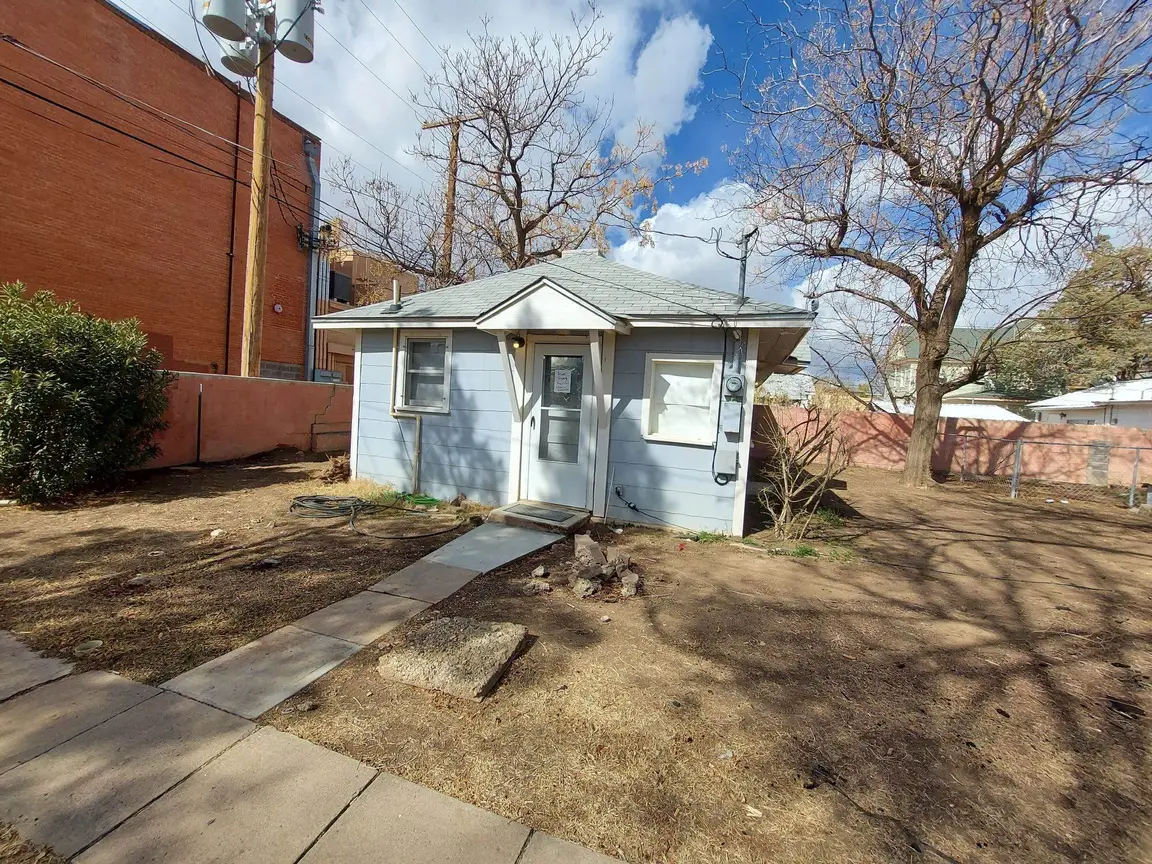
🏚 Why Vacant Properties Are at Risk in California
Vacant homes are everywhere in California—especially in cities like Los Angeles, Oakland, and San Bernardino, where high home values and housing shortages make them easy targets.
According to a 2024 report by ATTOM, over 31,000 homes in California were considered vacant, and many were left unprotected for months at a time.
Here’s what can happen if your property sits vacant too long:
- Squatters can move in (and gain rights over time!)
- City fines for unmaintained yards, broken windows, or unsecured structures
- Break-ins, graffiti, copper theft
- Fires, either accidental or intentional
- Insurance cancellations (most standard homeowners’ insurance won’t cover long-term vacancies)
⚠️ California Laws Make Things Tougher for Property Owners
Unlike many other states, California has some of the most tenant- and squatter-friendly laws in the country.
Here’s what makes it harder to deal with unwanted occupants:
- Squatter Rights: If someone occupies a home without permission and stays long enough (5 years or more), they can claim adverse possession. If you’re currently dealing with squatters, make sure to review our article, what to do if you have squatters!
- Eviction Delays: Even if someone is trespassing, you may need to go through a formal unlawful detainer process, which can take 30–90 days or more.
- Local Ordinances: Some cities fine property owners for not securing a vacant property, even if it’s not their fault someone broke in.
Example:
When Luis inherited his father’s house in East LA, he left it empty while sorting out probate. Within 3 weeks, squatters moved in. It took him nearly 4 months to regain access through a court-ordered eviction—and he spent over $7,000 in legal fees and clean-up.
🛡️ How to Secure a Vacant Property in California
Here are the most important steps you should take immediately:
✅ 1. Change the Locks & Secure All Entry Points
This is the most basic (and most urgent) step. Make sure all exterior doors have deadbolts, and all windows are locked. Consider reinforced strike plates and window bars for added protection—especially if the home is in a high-risk area.
Tip: If there’s a garage, disconnect the opener and add a padlock.
✅ 2. Install Security Cameras & Motion Lighting
A camera system that records and sends alerts to your phone is an excellent deterrent—and may help law enforcement if something happens.
Even fake cameras and motion-activated floodlights can make a big difference.
Recommended tools:
✅ 3. Use a Security Monitoring Service
Many companies offer vacant property monitoring for inherited or for-sale homes. These services often include:
- Weekly walk-throughs
- Alarm system checks
- Emergency response
- Yard maintenance to avoid city violations
✅ 4. Notify Local Law Enforcement
Let your local police department know that the home is vacant. Many departments will put it on a “vacation watch” list and keep an extra eye on the property.
This is especially useful if the home is located in areas like South Central LA, Inland Empire, or parts of the Bay Area, where vacant home crime rates are higher.
✅ 5. Keep the Home Looking Occupied
Squatters and vandals tend to avoid homes that look lived-in.
Here’s how to fake it:
- Install light timers
- Have someone check mail and trash bins
- Keep blinds open during the day
- Maintain the lawn or hire a landscaping service
✅ 6. Board It Up (If Necessary)
If the property is in a high-risk zone or already shows signs of break-ins, boarding up the doors and windows might be the best short-term solution.
Pro tip: Do this before the city does it for you—because if the city boards it, they’ll charge you, fine you, and possibly slap on a lien.
✅ 7. Get the Right Insurance Policy
Standard homeowners insurance may only cover a property that’s been vacant for up to 30–60 days. After that, it may be void unless you get a vacant home policy.
These typically cost 20–50% more, but are worth it for protection against vandalism, fire, or liability claims.
👀 Real-Life Example: Gloria’s Peace of Mind in Pasadena
Gloria was moving out of state but her house wasn’t selling. After a neighbor warned her about a break-in down the block, she hired a property watch service and added security cameras. When she finally sold the house 3 months later, it was still in perfect condition—and the new buyers appreciated the extra security measures.
FREQUENTLY ASKED QUESTIONS
What if I decide I don’t want to keep my vacant property?
If securing your vacant property feels like too much hassle, you don’t have to keep it sitting empty. Learn how you can sell your vacant house fast in California and avoid the stress of ongoing maintenance, security, and property taxes.
🏁 Final Thoughts
Leaving a house vacant in California can be risky business—but the good news is, you can take control.
By being proactive with security, staying in compliance with city ordinances, and understanding California’s tricky legal landscape, you’ll protect your property from unnecessary stress, expenses, or loss.
And if the thought of dealing with it all sounds exhausting… we get it. That’s why Mrs. Property Solutions buys vacant homes as-is in California—with no showings, fees, or repairs required.
📞 Call us at (602) 376-8391 or request your free cash offer today. We’ll take the property off your hands—and secure your peace of mind.
Helpful Resources
- Selling a house that needs too many repairs in California
- Selling without a realtor
- How to Sell a House with Code Violations in Los Angeles
- Should You Fix Code Violations Before Selling?
- How to Sell a House With Major Repairs Needed in California
- Can You Sell a House With Foundation Problems in California?
- Should You Fix a Leaking Roof Before Selling?