
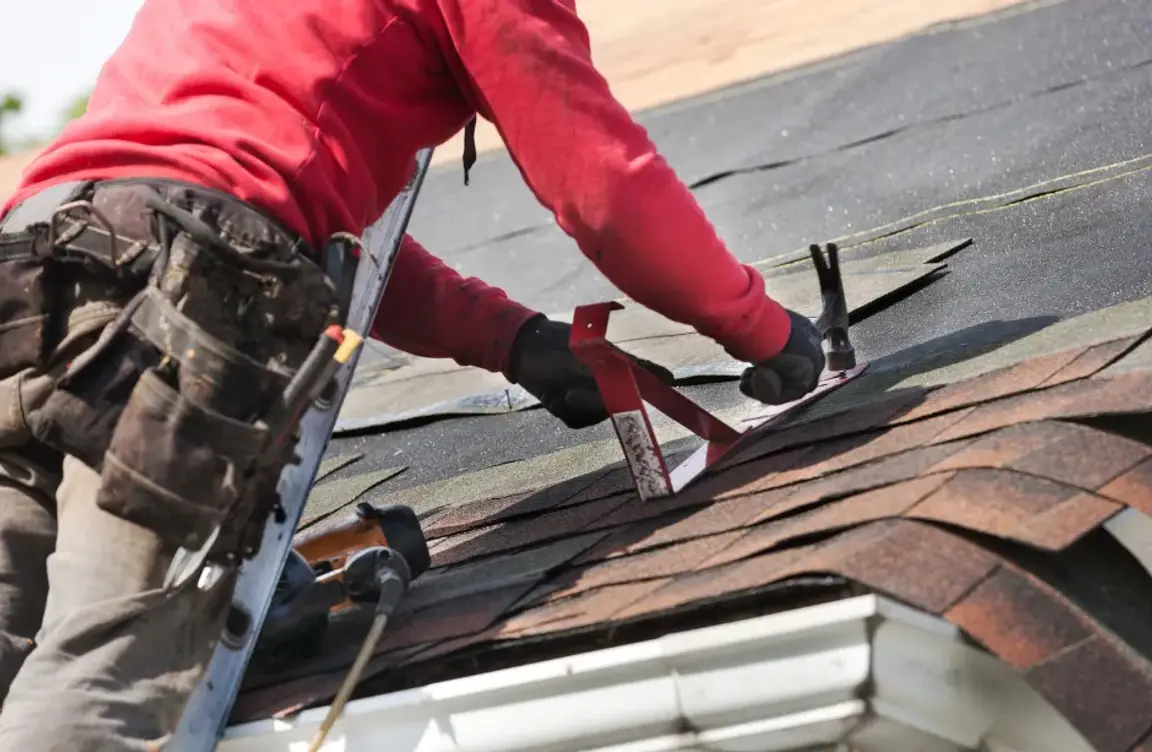
Yes, you can sell a house in California that needs major repairs, whether that’s a failing roof, foundation movement, or outdated electrical. California law doesn’t require repairs before a sale. You can list it as-is on the open market or sell directly to a cash buyer, as long as you disclose what you know about the property’s condition.
TLDR
- California law lets you sell a house without making any repairs first, as long as known defects are disclosed.
- Major repairs cover structure and core systems, foundation, roof, electrical, plumbing. Cosmetic issues aren’t the same problem.
- A full roof replacement in Southern California typically runs $11,000 to $22,000 in 2026, and foundation work commonly lands between $3,500 and $28,000 in Los Angeles County.
- Major renovations rarely pay for themselves at resale. Recent cost-vs-value data shows upscale remodels recouping roughly 36% to 60% of what they cost.
A cracked foundation or a roof that’s already leaking through the ceiling doesn’t have a good time to show up, and it never does. Most homeowners in this position weren’t planning to sell yet, and now they’re staring at a contractor quote that’s bigger than they expected, wondering if fixing it is even worth it before they list.
It usually isn’t, and that’s not a sales pitch, it’s just how the math tends to work out on major structural repairs in California. This guide walks through what actually counts as a major repair, what those repairs cost right now, and what you’re required to disclose either way you sell. If your home has other damage on top of repairs, like fire, water, or mold, our broader guide to selling a damaged home in California covers those related situations too.
Why Some California Homeowners Sell Instead of Repairing
Major repairs in California routinely run into five figures, and construction costs here sit well above the national average. Between permitting, licensed labor, and material costs, a homeowner weighing whether to fix a house before selling is often looking at a project that costs more and moves slower than they expected.
A few reasons this pushes people toward selling as-is instead:
- Repair costs climb fast once a contractor opens a wall or gets under a foundation
- Permitting and inspection timelines can add months, not weeks
- New problems tend to surface once work starts, especially in older housing stock
- Life doesn’t always leave room for a renovation timeline, especially with a move, a divorce, or an inheritance already in motion
None of that means repairing is the wrong call for every homeowner. It means the decision is worth running the numbers on before committing to either path.
What Actually Counts as a “Major” Repair
A major repair affects a home’s structure, safety, or core systems, not its appearance. Buyers, lenders, and inspectors draw a real line between the two, and it matters for how a sale plays out.
Issues typically treated as major:
- Foundation cracks or settling
- A roof that’s actively leaking or past its useful life
- Electrical wiring that isn’t up to current code
- Plumbing failures, including old galvanized or cast iron lines
- Structural pest damage or dry rot
- A failed or aging HVAC system
Cosmetic issues, worn paint, dated flooring, an outdated kitchen, don’t threaten the home’s soundness and rarely stop a sale the way structural problems can. If your list is mostly cosmetic, this article isn’t really about your situation. Take a look at our guide to selling a house as-is in Los Angeles instead, since it covers that ground in more depth.
What These Repairs Cost Right Now
Roof and foundation work are the two repairs that most often change a homeowner’s mind about selling, and both run high in California right now. A full roof replacement in Southern California typically costs $11,000 to $22,000 in 2026, according to industry pricing data from Roof Replacement Inc, with higher-pitched or tile roofs pushing toward the top of that range.
Foundation repair costs vary more, since so much depends on the type of damage. In Los Angeles County specifically, recent local pricing data puts the range at $3,500 to $28,000, with most moderate repairs landing between $8,000 and $15,000.
Electrical and plumbing repairs vary too widely by scope to quote a single number here, but a licensed contractor’s written estimate is the only reliable way to know what you’re actually facing before deciding whether to fix or sell.
Repairing Rarely Pays for Itself at Resale
Spending money on a major repair doesn’t mean you get that money back when you sell. This is the part that surprises most homeowners, and it’s worth sitting with before writing a check to a contractor.
According to the most recent Cost vs. Value data cited in 2026 renovation ROI reporting from HomeCostLab, upscale kitchen remodels recoup around 40% of their cost at resale, and major additions often land even lower. Structural repairs aren’t tracked the same way as kitchens and bathrooms, but the pattern holds. Necessary, unglamorous repairs like a new roof or foundation stabilization protect a sale rather than boost the price.
Put plainly, if a roof replacement costs $18,000, it doesn’t typically add $18,000 to what a buyer will pay. It usually just removes an obstacle that was going to cost you the sale, or the negotiation, either way.
You Still Have to Disclose What You Know
California requires sellers to disclose known material defects, and that’s true whether you fix the problem, sell as-is, or sell to a cash buyer. Under California Civil Code Section 1102, most residential sellers must complete a Transfer Disclosure Statement covering structural issues, roof condition, plumbing, electrical systems, and known hazards.
This obligation can’t be waived, even in an as-is sale. An as-is clause tells the buyer you’re not agreeing to make repairs. It doesn’t give you permission to stay quiet about something you already know is wrong.
If your home was built before 1978, lead-based paint disclosures apply too, separate from the general TDS. And if you’ve done any work on the property in the last 18 months before accepting an offer, California’s newer flipper disclosure law under Civil Code Section 1102.6h requires you to list the specific repairs made, the permits pulled, and the contractors used.
Will the House Qualify for a Buyer’s Loan?
A house with major, unaddressed repairs often can’t close with an FHA or VA buyer, even if everyone involved wants the deal to happen. Both loan types require the property to meet HUD’s minimum property standards for safety, soundness, and security.
In practice, that means an FHA appraiser who finds a foundation crack wider than a quarter inch, exposed wiring, or an active roof leak has to flag it, and the loan generally can’t close until the issue is fixed and re-inspected. Conventional loans are somewhat more forgiving on cosmetic condition, but a lender-ordered appraisal will still flag anything that threatens the home’s structural soundness.
This is one of the main reasons homes needing major repairs sell more easily to cash buyers or investors, since a sale that doesn’t depend on financing doesn’t depend on the house passing a lender’s condition standards either.
A house we bought in Whittier had a failed cast iron sewer line running under the slab, the kind of problem a homeowner can’t see until a plumber’s camera finds it. Replacing it the traditional way would have meant breaking through the foundation. We bought the house as it stood and handled that from there, and the seller never had to get a bid, pull a permit, or wait on a contractor’s schedule.
What Are Your Options?
Whether repairing first or selling as-is makes more sense depends on your specific numbers, your timeline, and how much of the work you’re willing to manage. We break down that full repair-versus-sell comparison here, including when fixing the house first is genuinely the better move.
If you’ve read this far, you’re probably somewhere between getting a contractor’s quote and wondering whether it’s worth it. Mrs. Property Solutions buys houses in California in their current condition, foundation issues, roof problems, outdated electrical, all of it, without asking you to fix anything first.
We’ve purchased 150+ homes across Southern California since 2016 and earned 50+ five-star reviews doing it, and the offer we make is the offer we honor at closing. No repairs, no commissions, and you choose the closing date.
If you want to see what a cash offer would look like for your specific property, you can reach out through our website or call (626) 344-9579. There’s no obligation to move forward either way.
Frequently Asked Questions
Can you sell a house that needs major repairs in California?
Yes. California law does not require repairs before a sale. You can list on the MLS as-is or sell directly to a cash buyer, as long as you disclose known defects under Civil Code Section 1102. The house does not need to pass inspection or meet any repair standard to change hands.
What counts as a major repair versus a cosmetic issue?
Major repairs affect a home’s structure, safety, or core systems, foundation movement, roof failure, electrical not up to code, or plumbing that has failed. Cosmetic issues, like paint, flooring, or dated finishes, don’t threaten the home’s soundness and rarely stop a sale the way structural problems do.
Do I have to disclose repairs I never made?
Yes. California Civil Code Section 1102 requires disclosure of known material defects regardless of whether you fixed them, and that duty cannot be waived in an as-is sale. You’re disclosing what you know, not promising the home is defect-free.
Will a house with major repairs needed qualify for an FHA or VA loan?
Not until the specific defect is fixed. FHA and VA loans require the home to meet HUD’s minimum property standards for safety, soundness, and security, so a failed roof, exposed wiring, or foundation cracks over a quarter inch typically stop that loan from closing until repaired.
What about a buyer using a conventional loan, does the house still have to pass inspection?
Conventional loans are more flexible than FHA or VA, but a major defect can still stop the loan. Fannie Mae leaves it to the appraiser’s judgment, and a foundation, roof, or safety issue serious enough to affect the home’s soundness typically gets the appraisal completed “subject to repairs,” meaning the loan can’t close until it’s fixed and re-inspected.
Is it cheaper to sell as-is or fix the house first?
It depends on the repair and the local market, but major structural work rarely pays for itself. Recent cost-vs-value data shows upscale remodels recouping roughly 36% to 60% of what they cost, so a homeowner who spends $30,000 on repairs may only see a fraction of that back in sale price.
How long does it take to sell a house that needs major repairs?
Listing as-is on the MLS typically takes 60 to 120 days including inspection and financing contingencies. A direct sale to a cash buyer skips those steps and can close in as little as 14 days, since there’s no lender-ordered appraisal or repair negotiation to work through.
Do I have to get a home inspection before selling?
No. California does not require a seller-ordered inspection. Buyers on the MLS route typically order their own during their contingency period, and a direct cash sale usually skips a formal inspection altogether since the buyer is pricing the home to its actual condition.
Helpful Resources
- Selling without a realtor
- How to Sell a Vacant House Fast in California
- Can You Sell a House With Foundation Problems in California?
- How to Sell a House with Code Violations in Los Angeles
- How to Secure a Vacant Property in California
- Should You Fix Code Violations Before Selling?
- Should You Fix a Leaking Roof Before Selling?